


Industrial properties in Da Nang span ready-built factories, warehouses, and serviced land for lease across more than 30 industrial parks and economic zones stretching from Lien Chieu in the north to Chu Lai in the south. The city changed scale on 01/07/2025, when Resolution 202/2025/QH15 merged Da Nang with Quang Nam, creating Vietnam’s largest city by area at roughly 11,860 square kilometres and pairing a deep-water port economy with the Chu Lai manufacturing belt.
Access is a selling point: Tien Sa Port sits about 6 kilometres from downtown, the new Lien Chieu Port is rising 15 kilometres northwest, and National Highway 1A, the North-South railway, and the East-West Economic Corridor all pass through. Land costs run well below Hanoi and Ho Chi Minh City, and ready-built space is available now.
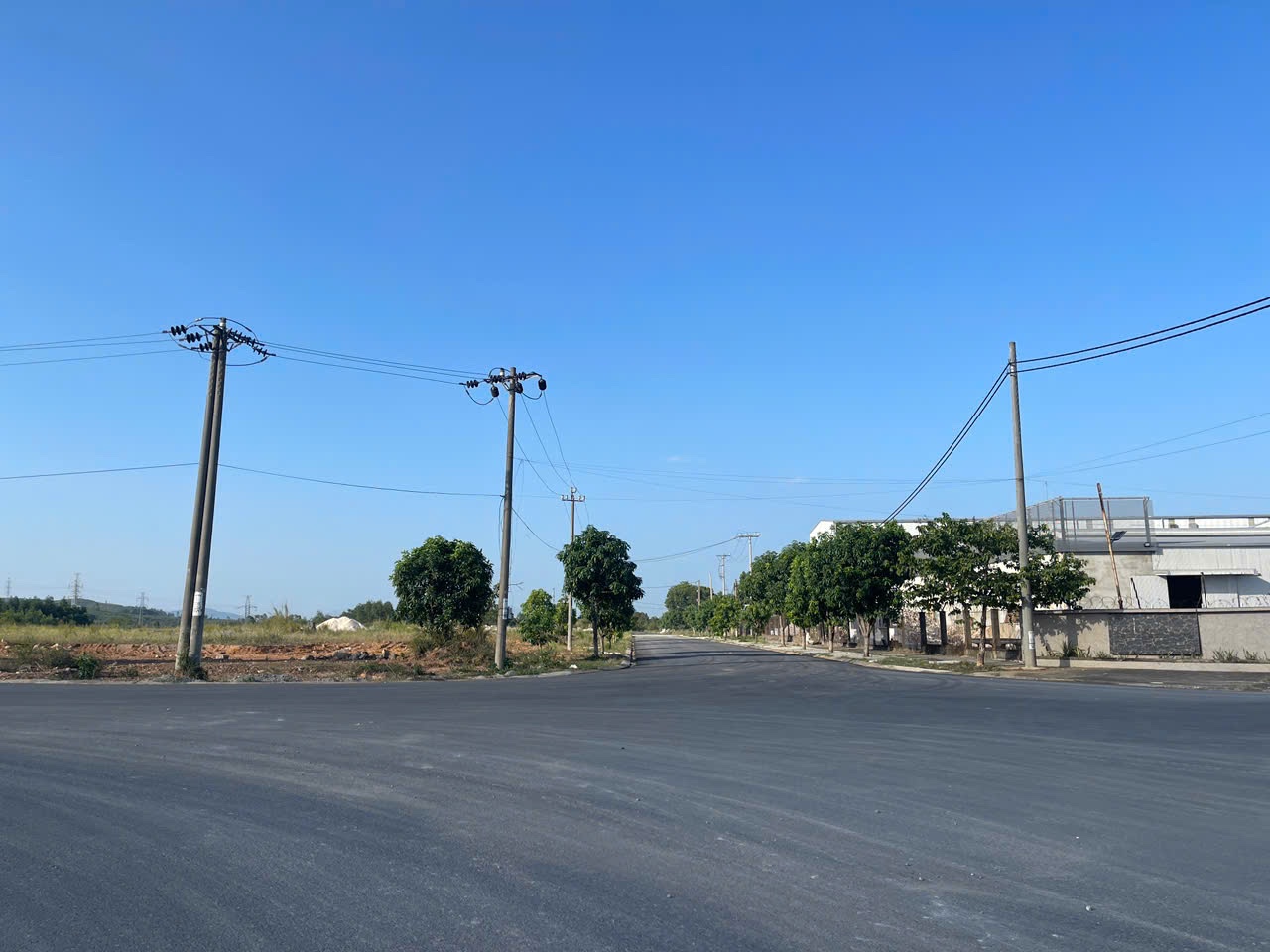
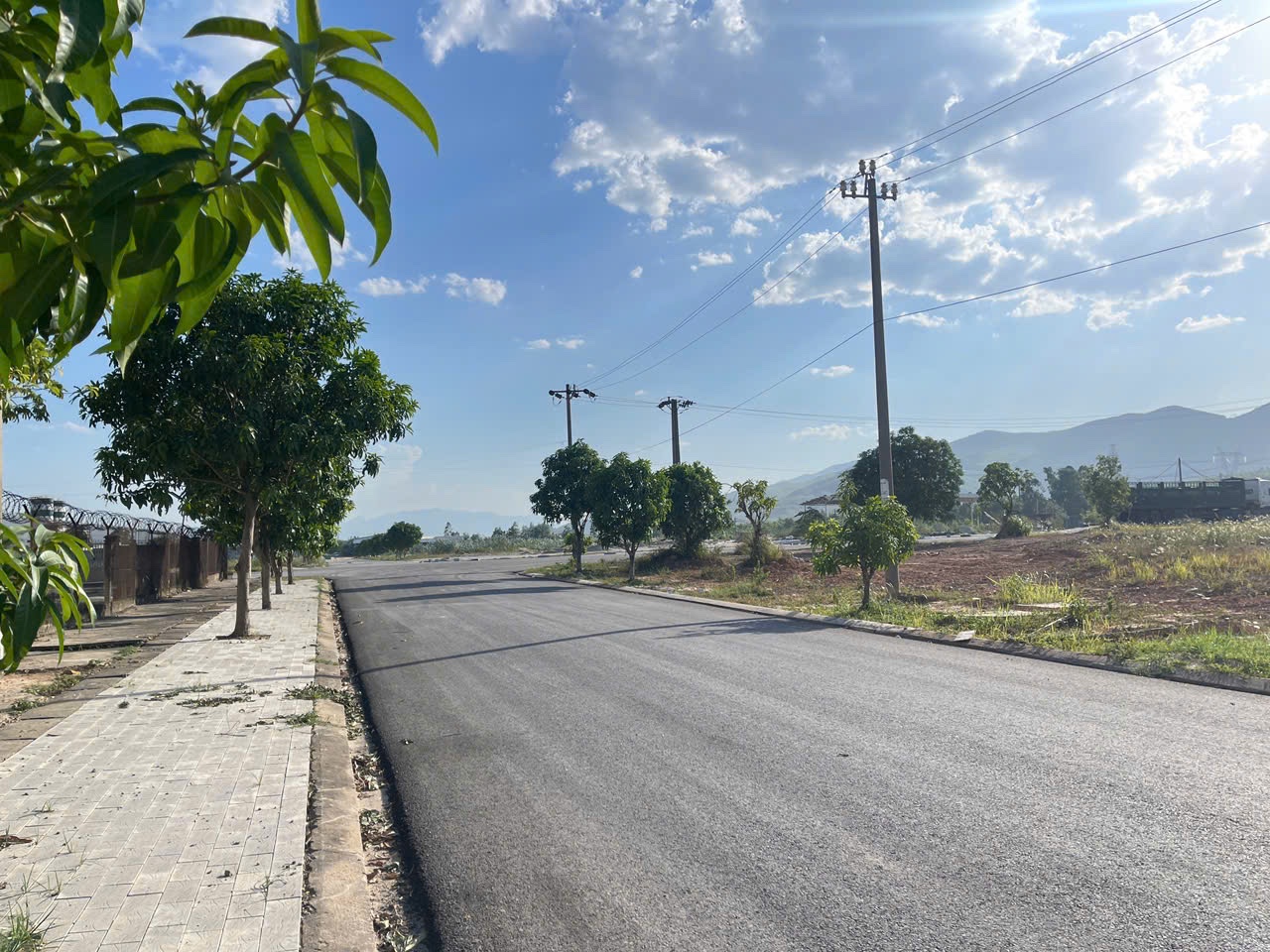
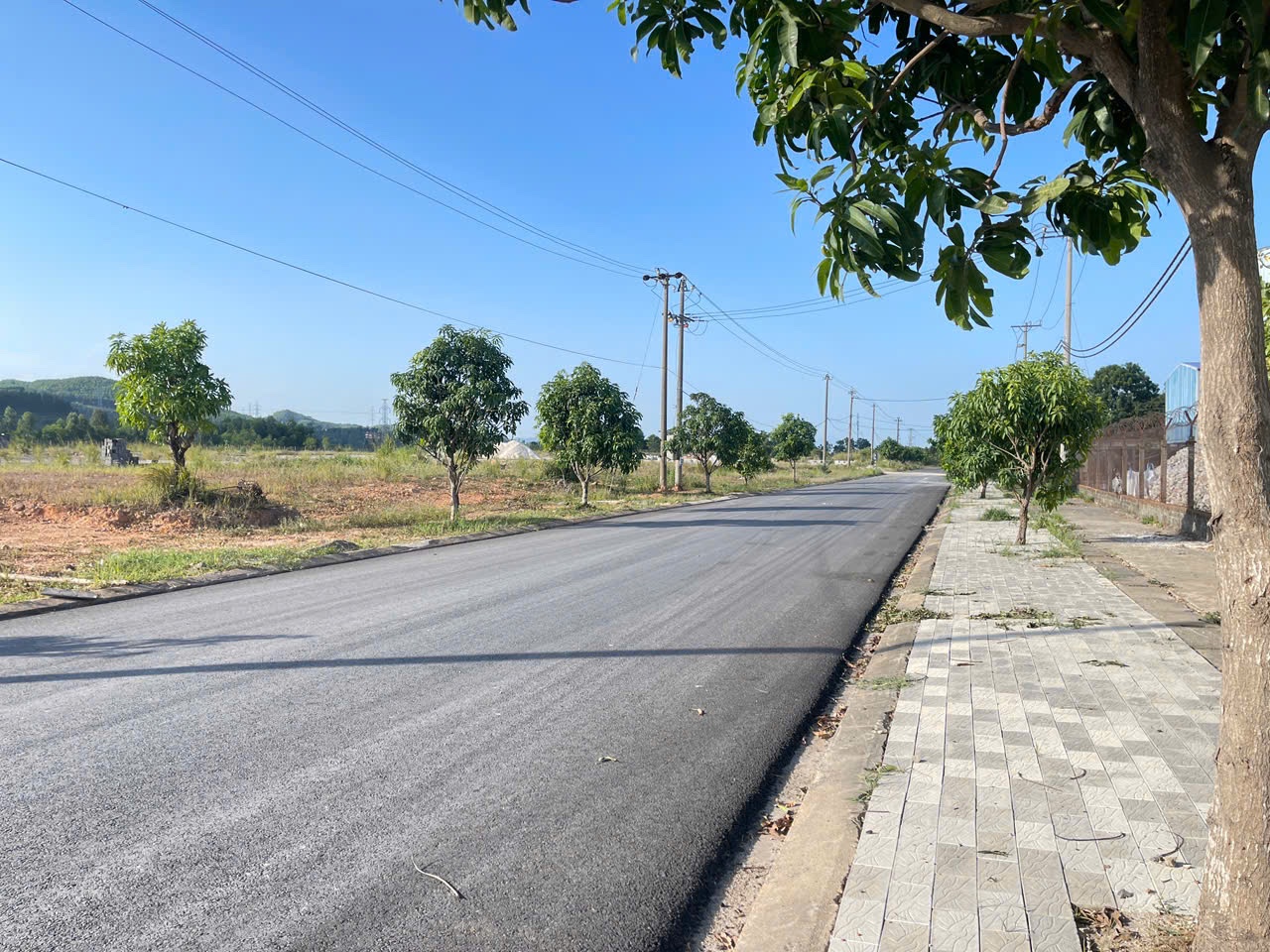
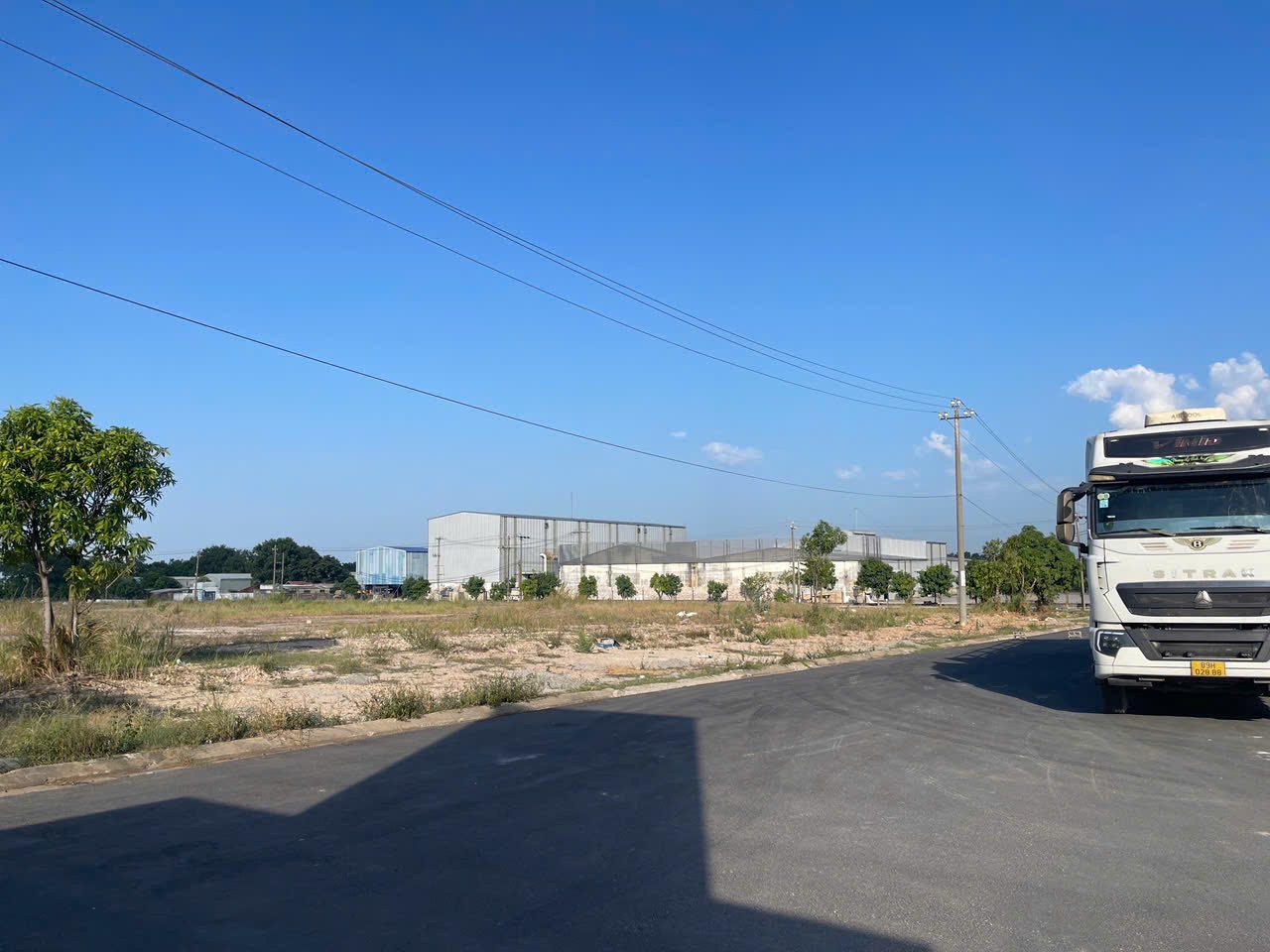
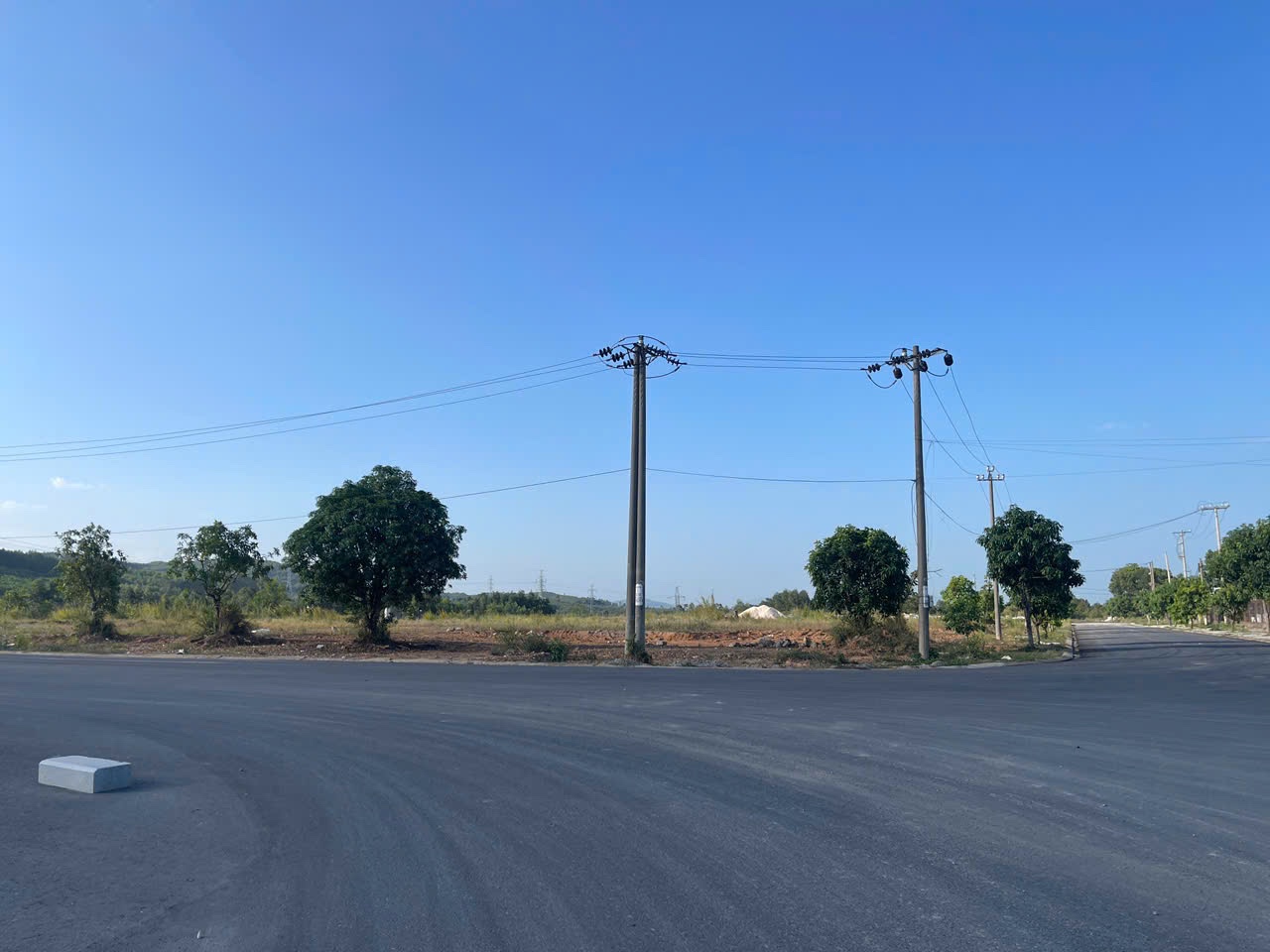
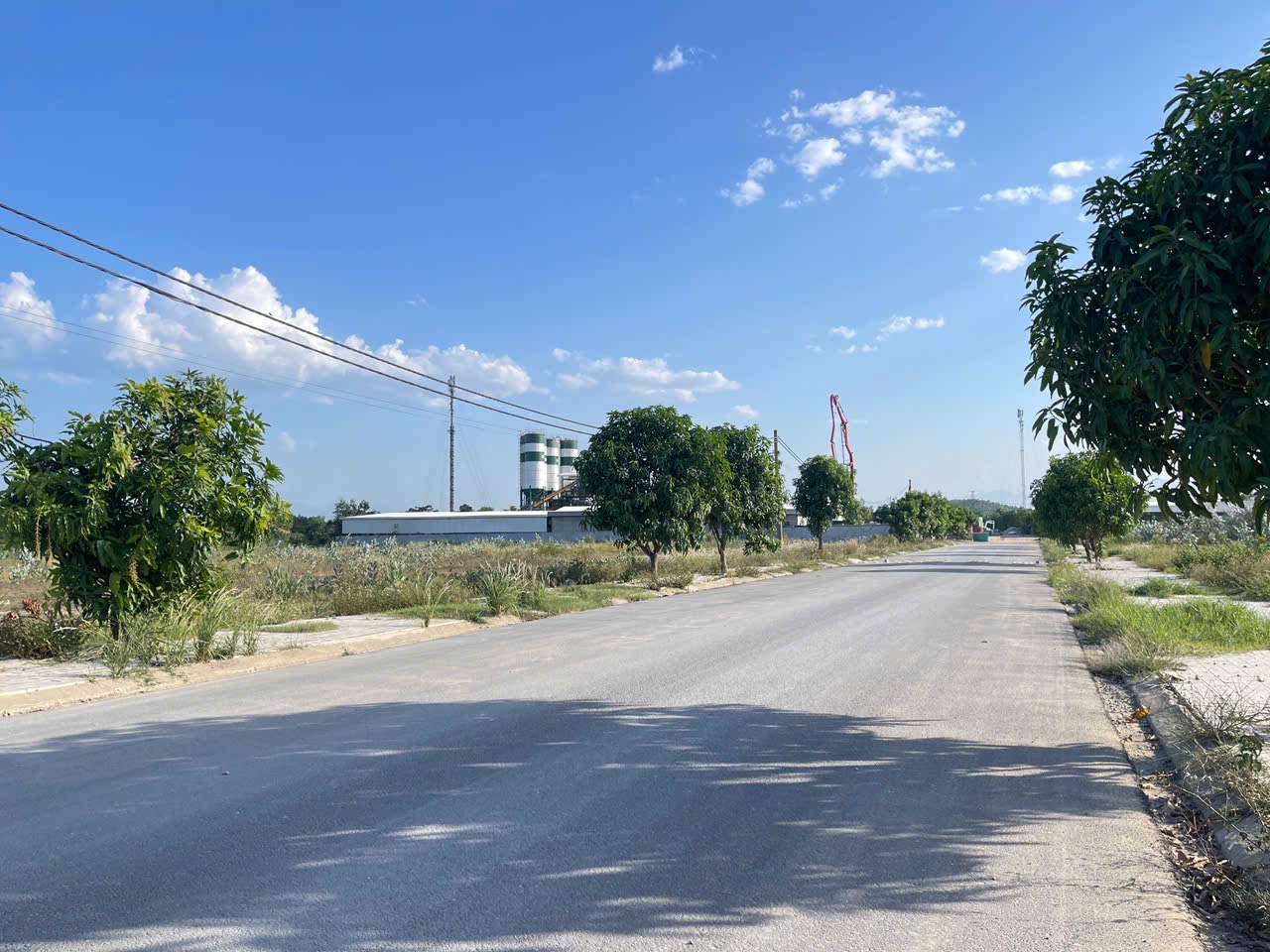
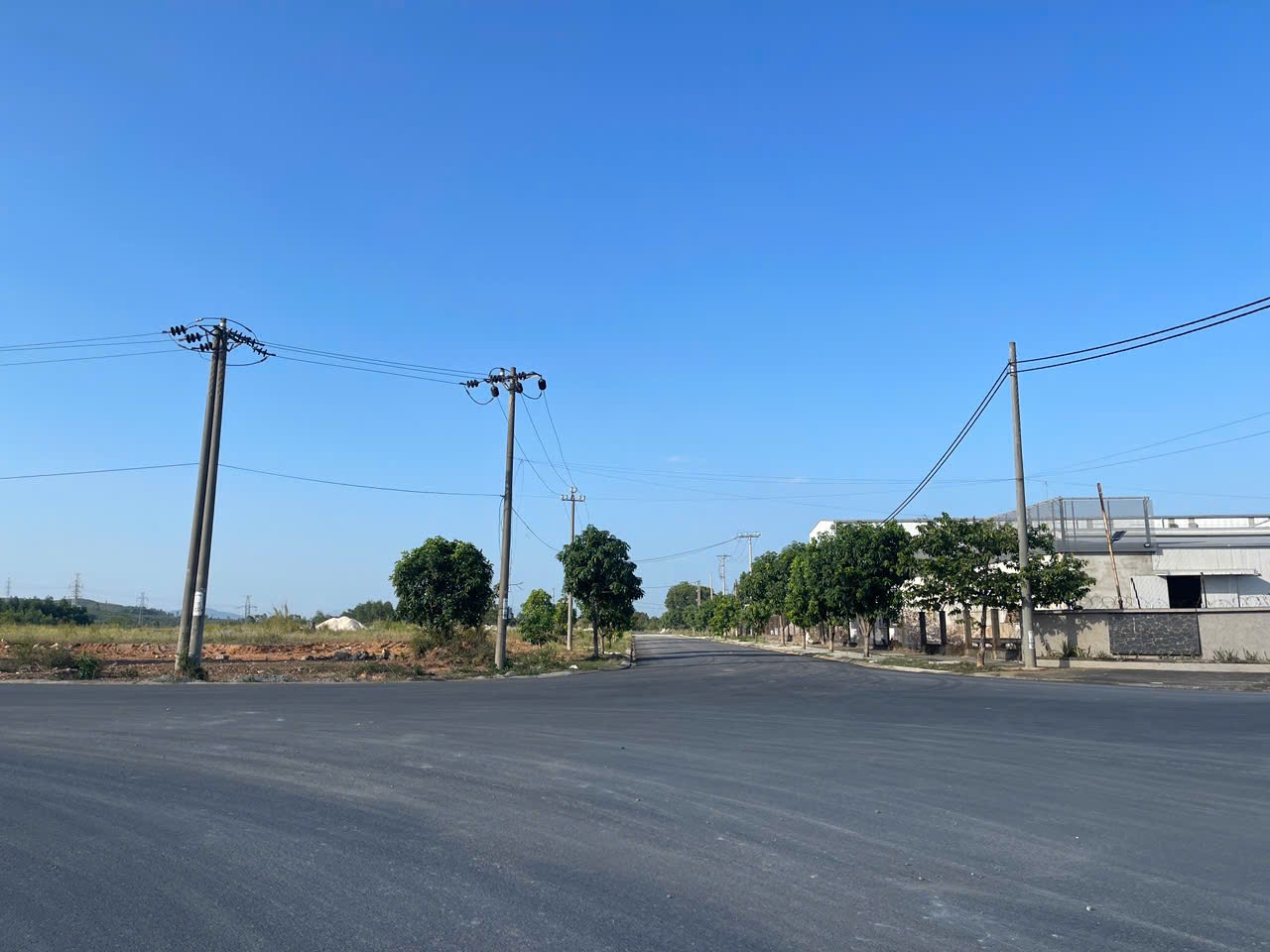
 Dai Loc, Da Nang
Total area:174,000 m²

Vacant area:130,000 m²
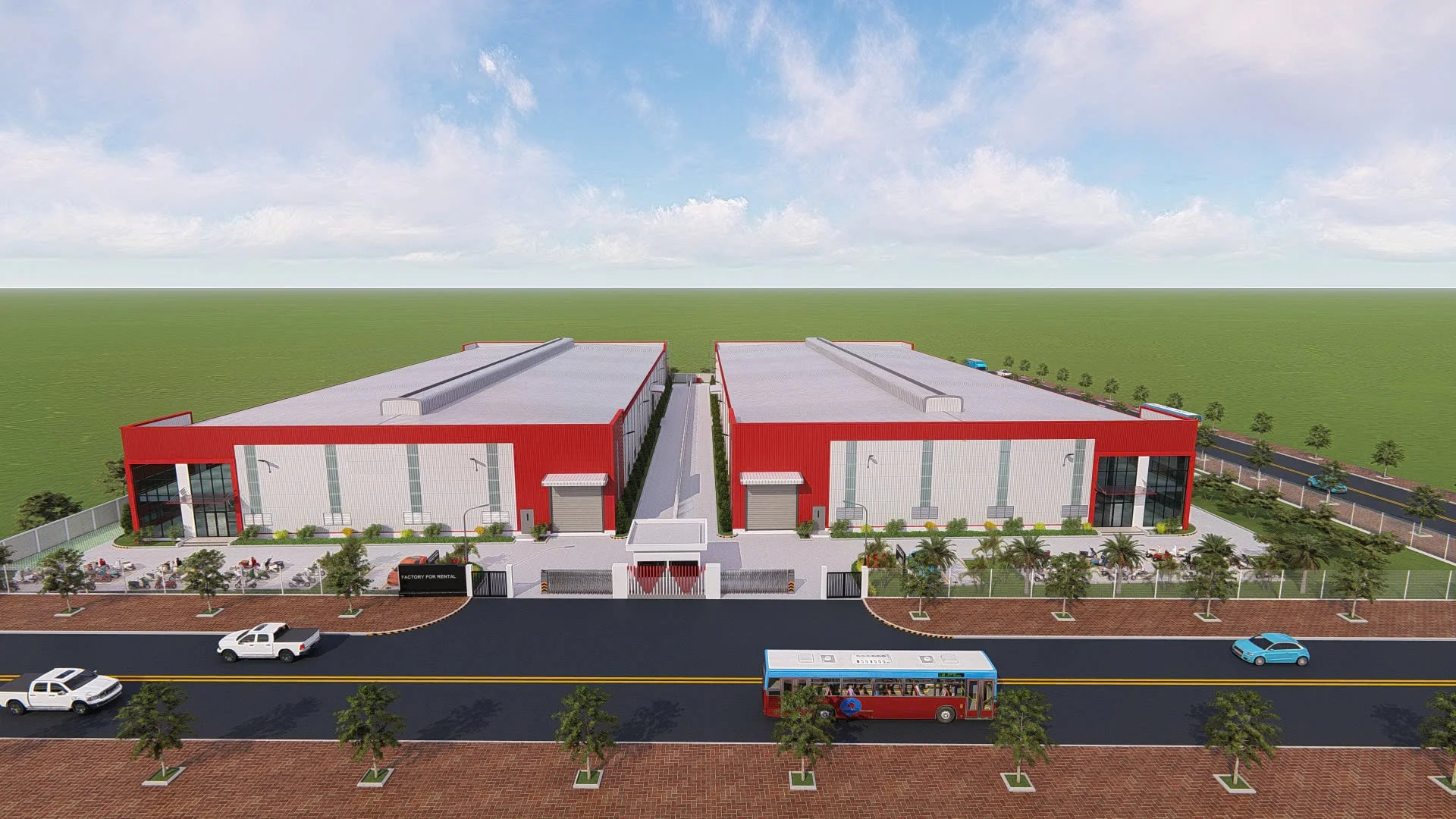
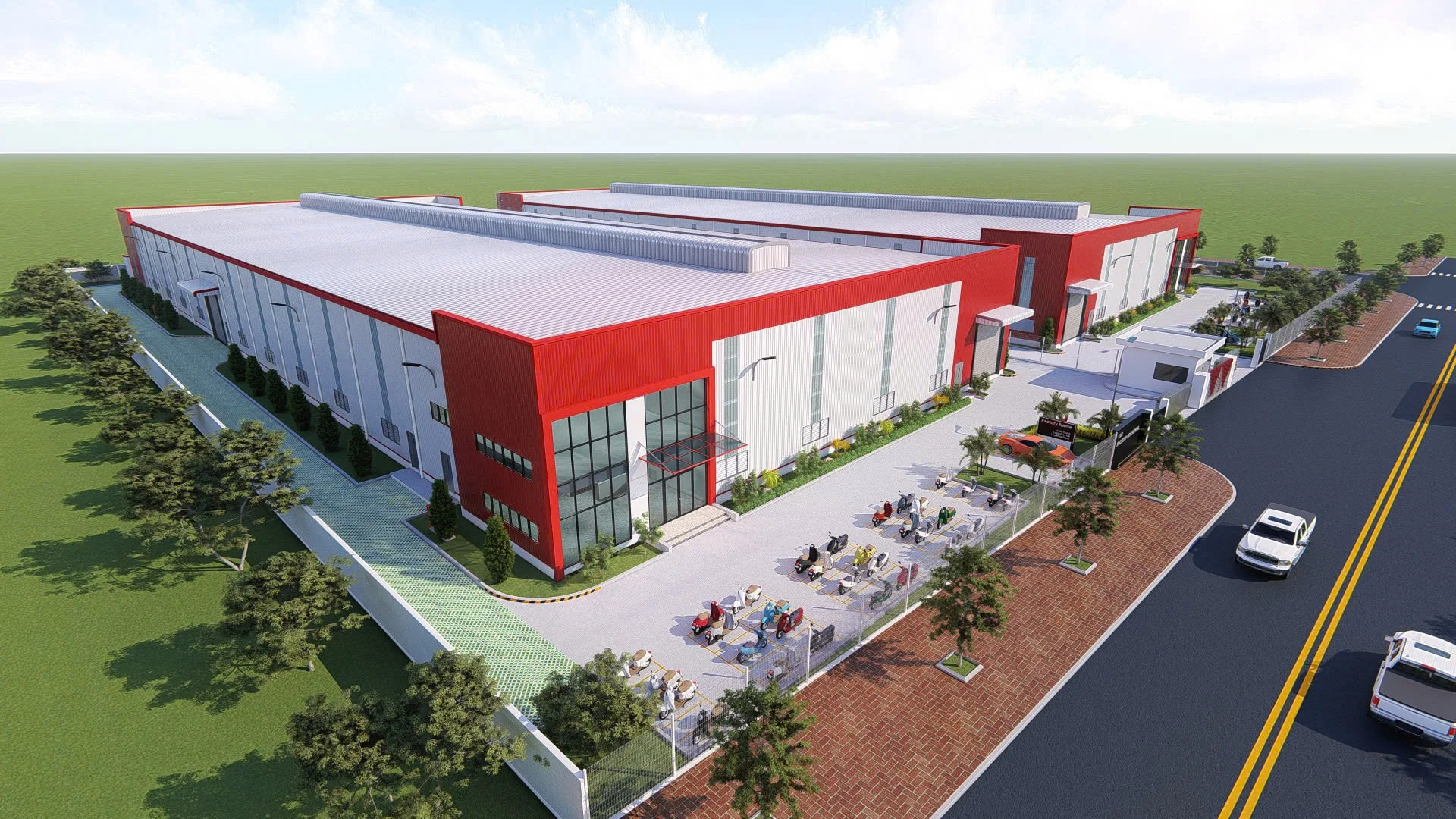
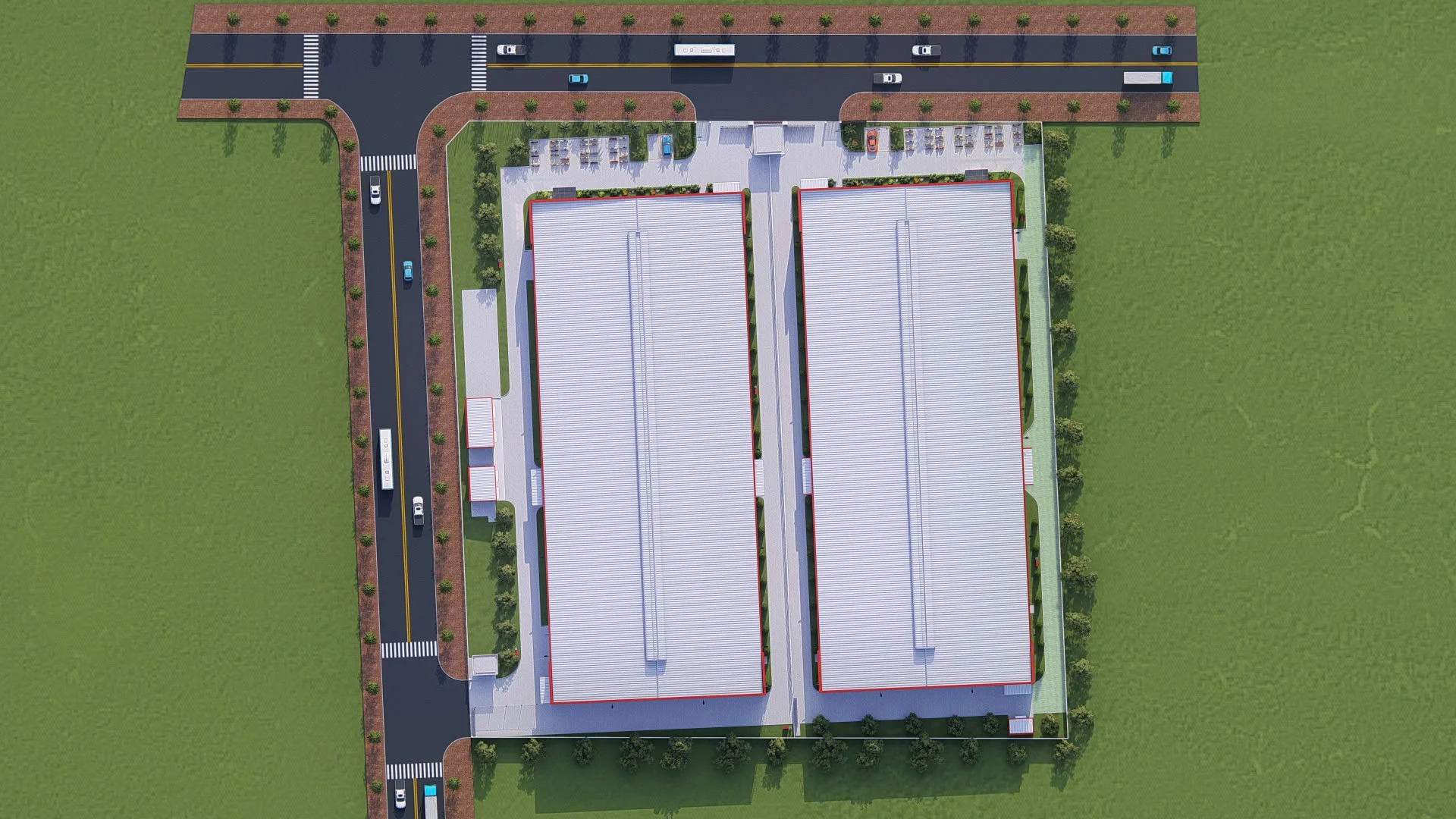
Thang Truong, Da Nang
Total area:15143 m²
Vacant area:NA


Lien Chieu, Da Nang City
Total area:5300 m²
Vacant area:4000 m²


Hoa Vang, Da Nang
Total area:3410000 m²
Vacant area:470000 m²
Industrial property in Da Nang rests on three proven pillars: textile and garment production, heavy processing and chemicals, and seafood processing for export. A structural shift is widening that base as the city builds a designated semiconductor and AI hub and green manufacturing attracts new occupiers, backed by a young technical workforce.
On cost, prime locations trade at USD 70 to 120 per sq m (Ministry of Construction, Q1/2026), against USD 90 to 250 in the north and USD 185 to 280+ in the south, while parks layer on corporate income tax holidays, land rent exemptions, and the incentives inside the new Da Nang Free Trade Zone.
Savills launched its industrial platform in 2017 on advisory roots, reaching back to 1995: 559,164 square meters leased, 494,111 square meters sold, USD 28.37 million in transactions, and more than 60 developer contracts.
Landlord advisory, tenant representation, market research, leasing and brokerage, investment advisory, sale and leaseback, and M&A support sit under one roof, so one team carries you from shortlist to signed lease.
Explore the details on our industrial services page.
Industrial parks in Da Nang now run on two poles, north and south, each with its own logistics logic and tenant mix.
Hoa Khanh, the city's 394-hectare workhorse, leads a northern cluster that includes An Don on the Han River, Hoa Cam along National Highway 1A, and Lien Chieu beside the new deep-water port.
Two newer sites raise the tech profile: Da Nang Hi-Tech Park, at 1,129.76 hectares the city's largest single site, courts semiconductor and electronics occupiers, while the 249.8-hectare Dien Tien park extends the northwest corridor.
Drive about an hour south on the Da Nang-Quang Ngai Expressway to reach Chu Lai Open Economic Zone, Vietnam's first, where the THACO automotive complex anchors a deep supplier ecosystem. Bac Chu Lai and Tam Anh-An An Hoa, at 435.8 hectares, offer large serviced plots, and Tam Thang sits beside Chu Lai Port.
Tien Sa handles deep-water shipping about 6 kilometres from downtown, and Lien Chieu Port will take that role 15 kilometres further northwest. Chu Lai Port gives the southern pole its own gateway, and two international airports, Da Nang and Chu Lai, close the air-cargo loop.
The Hai Van Tunnel opens the northern corridor toward Hue and beyond, while the East-West Economic Corridor runs toward Laos and Thailand.
Electronics and semiconductor assembly, garments and footwear, seafood and food processing, automotive components, and logistics operators drive leasing demand, shipping through Tien Sa and Chu Lai to Japan, South Korea, Singapore, the United States, and Europe.
The parks deliver stable grid power, labor at central-Vietnam wage levels, ready-built factories with floor loads of 2.5-5.0 tons per square meter, and growing cold-chain capacity.
Ready-built factories quote around US$4.0-5.5 per square meter per month, roughly 30-50% below Ho Chi Minh City and Binh Duong, and with vacancy near 21%, occupiers have negotiating room.
Industrial land for lease in Da Nang runs to around 2046 to 2052, which is 20 to 26 years. That is short enough to materially affect amortisation, so remaining terms should be checked park by park before shortlisting.
Part of what the lower land price reflects is distance from Vietnam's supplier heartland: Tier-2 and Tier-3 vendors for fasteners, packaging, tooling, and surface treatment remain thin in central Vietnam. Expect higher working capital from larger component inventories and inland freight from the south, plus six to twelve months to stabilise supply chains after go-live.
Our rule of thumb: if local sourcing falls below 40% of inputs and key suppliers sit outside a two-hour drive, model those costs before you sign. Port access and a compounding supplier base offset much of this, but they reward occupiers who plan.
Contact Mr John Campbell, Director, Industrial Services at Savills Vietnam, on +84 986 718 337. We will shortlist parks, benchmark rents and arrange site tours. We listen first, then build the plan around your timeline.
Three main formats: ready-built factories with floor loads of 2.5-5.0 tons per square meter, general and cold-chain warehouses for seafood and food exporters, and serviced land for build-to-suit projects. Choices span the northern parks and the Chu Lai zone in the south.
Tien Sa Port sits about 6 kilometers from the city center, and Lien Chieu Port is about 15 kilometers northwest. Da Nang International Airport is roughly 5 kilometers from the central parks, while Chu Lai Port and airport serve the southern belt directly.
Textiles and garments, heavy processing and chemicals, and seafood processing form the established base. The THACO automotive complex anchors Chu Lai, while Da Nang Hi-Tech Park builds an electronics and semiconductor cluster, with logistics and AI-related manufacturing rounding out the mix.
Central Vietnam industrial land ranges from USD 70 to 120 per sq m for the remaining lease term (Ministry of Construction, Q1/2026), the lowest of Vietnam's three regions, against USD 90 to 250 in the north and USD 185 to 280+ in the south. Rates vary by park, infrastructure standard and remaining lease years.
Under Article 172 of the Land Law 2024, leases run up to 50 years as standard and up to 70 years for projects with large capital investment but slow capital recovery. Remaining terms run to around 2046 to 2052, which is 20 to 26 years, so confirm the expiry date on the land use right certificate before committing.
Established under Decision 1142/QD-TTg in June 2025, it is Central Vietnam's first large-scale, multi-sector free trade zone: 1,881 hectares across seven sites near Lien Chieu Port, the airport, and the East-West Economic Corridor. Incentives include 0% corporate income tax for four years and land lease exemptions.