


Logistics land in Viet Nam is industrial land whose masterplan use is specifically designated for warehousing, distribution and logistics functions, rather than for factory production. Within an industrial park, it is identified by a distinct land-use designation on the detailed plan, separate from plots zoned for manufacturing. Manufacturers, third-party logistics providers and e-commerce companies lease it to build storage and transport facilities near ports and highways.
Plots typically run 1 ha to over 20 ha. Supply concentrates in Bac Ninh, Hai Phong and Hung Yen in the north, and HCMC, Dong Nai and Tay Ninh in the south.
National supply of logistics land has tightened as e-commerce and cross-border trade grow. Logistics land is priced on the same basis as general industrial land, which averaged about USD 186.6 per sq m per lease term nationwide in Q1/2026 (Savills Research, Q1/2026).
Read our latest Viet Nam industrial market research for full supply and rental data.
Pricing varies more by proximity to ports, expressways and the urban consumer base than by region, with the best-connected parks at the top of the range in both the north and the south. Demand is led by fulfilment and cold chain occupiers.
Savills Industrial advises occupiers and landlords on arranging logistics land and site selection. See our services or explore the industrial property market in Viet Nam for wider context.
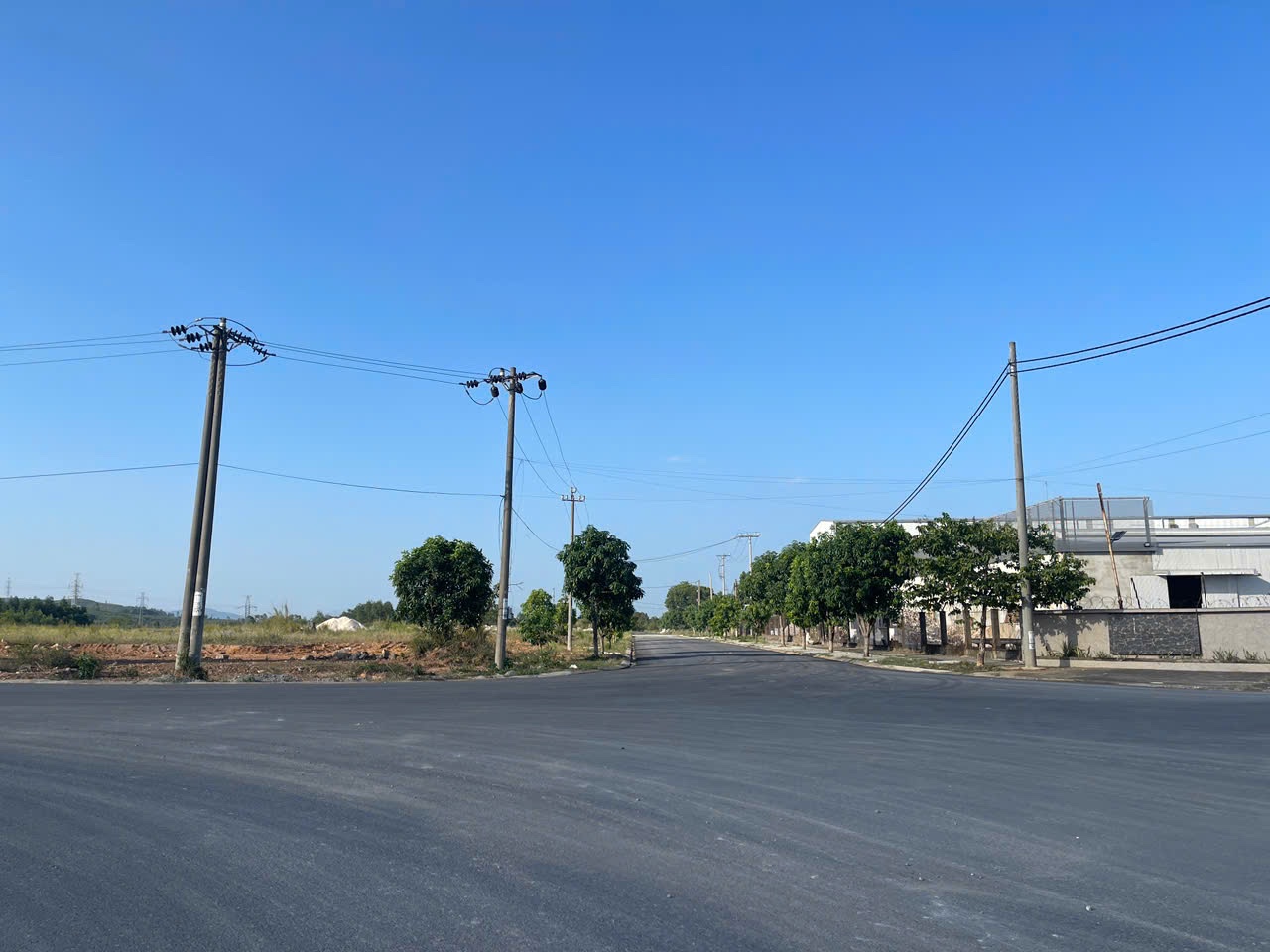
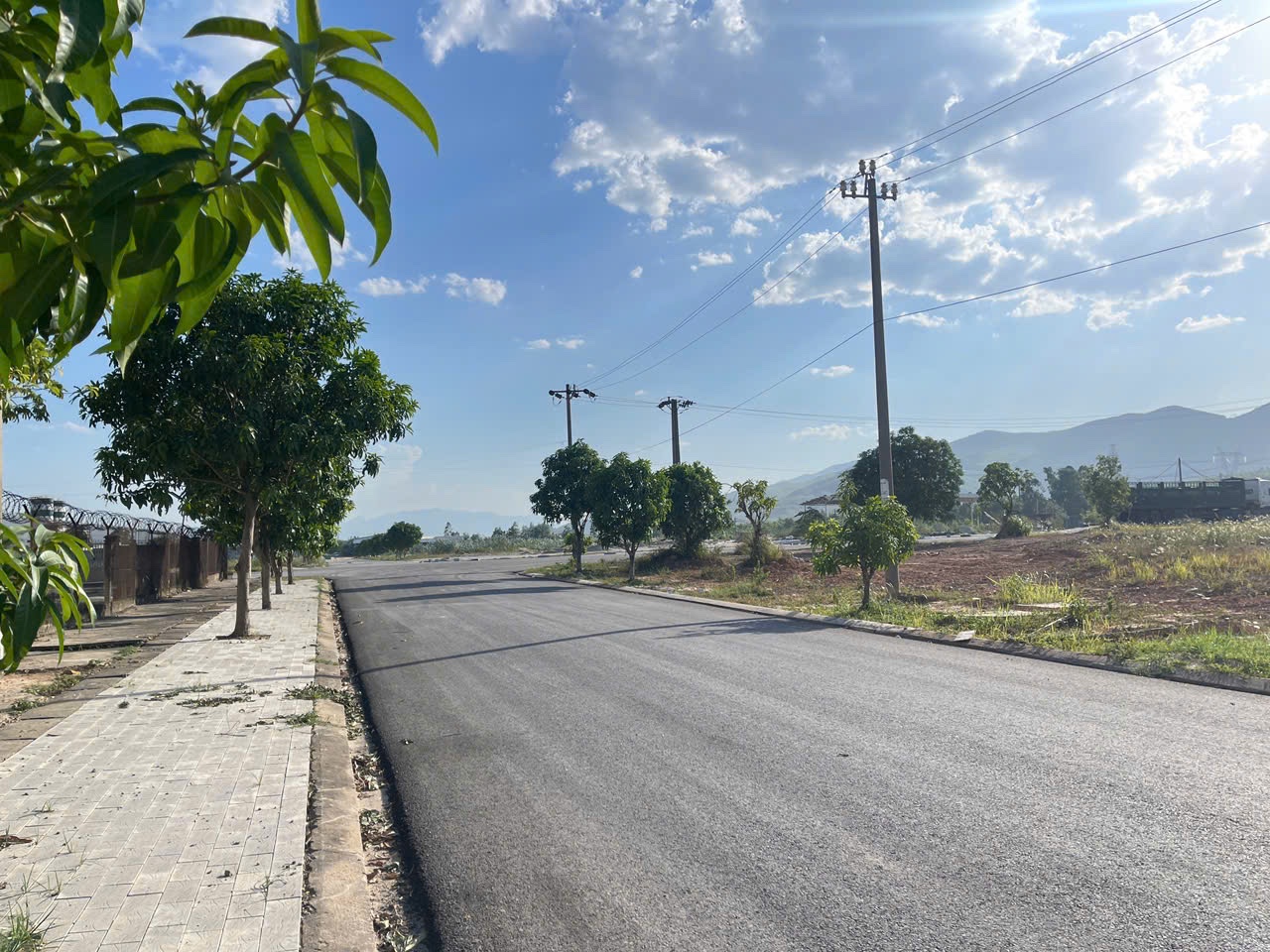
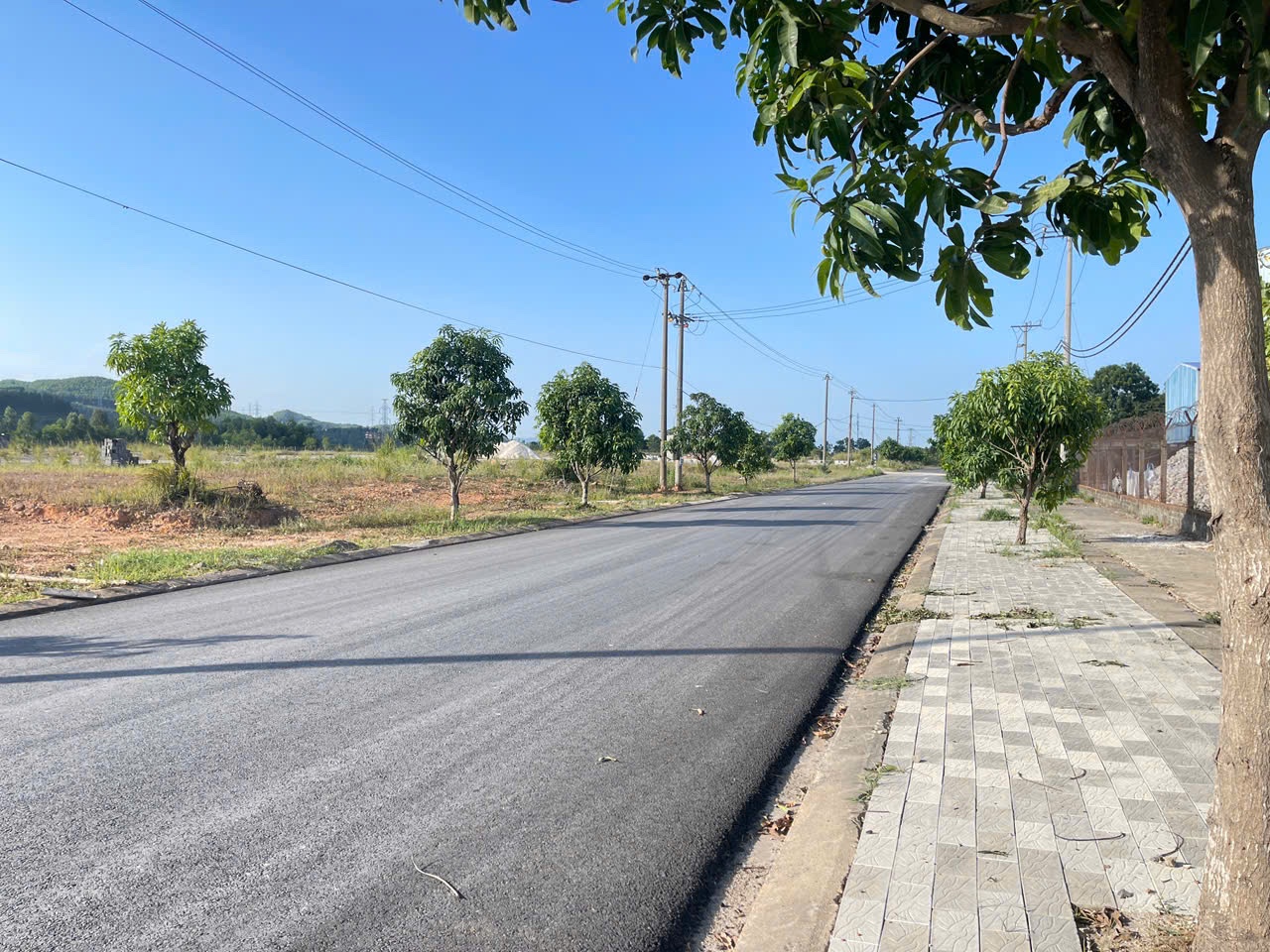
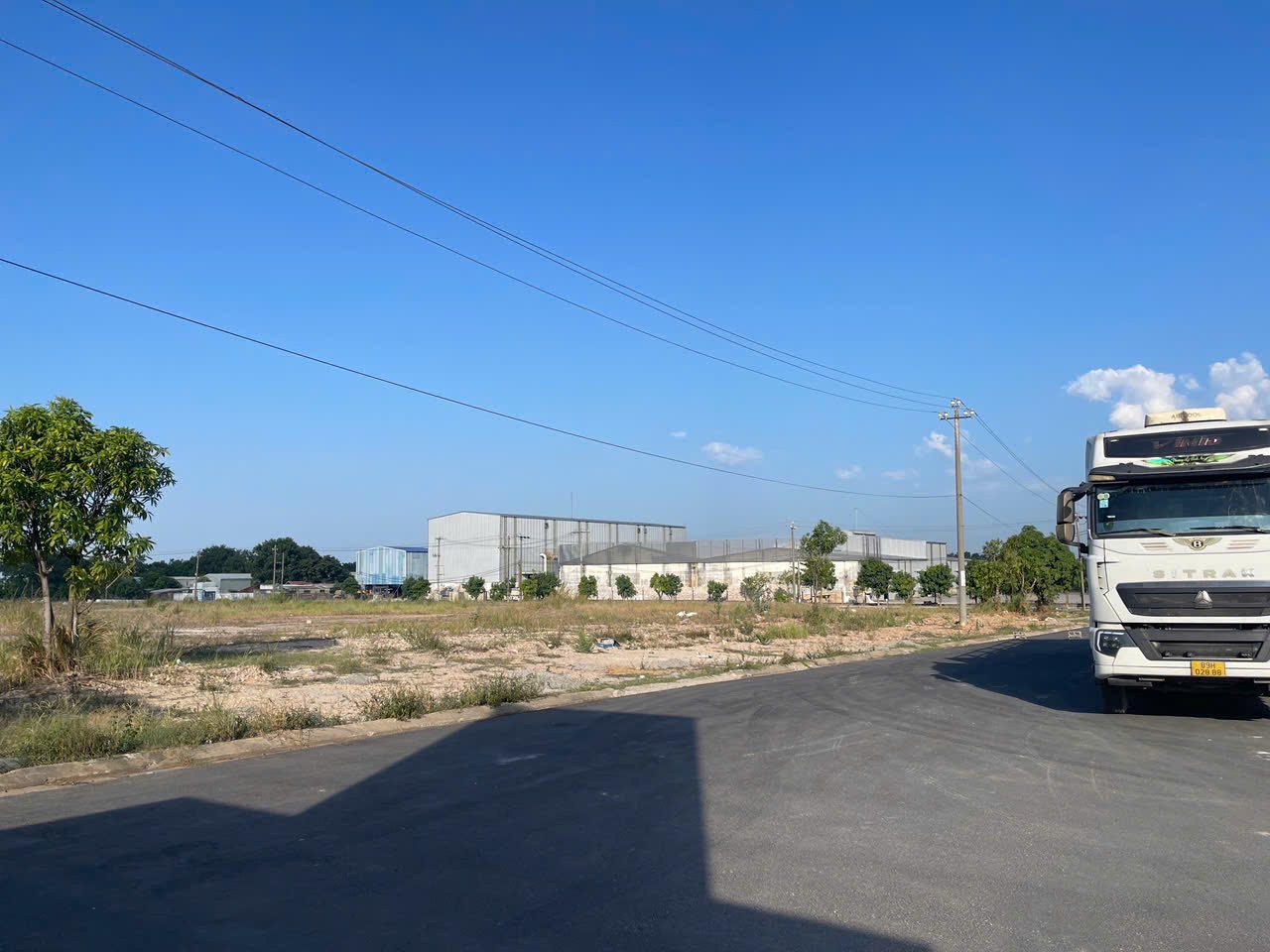
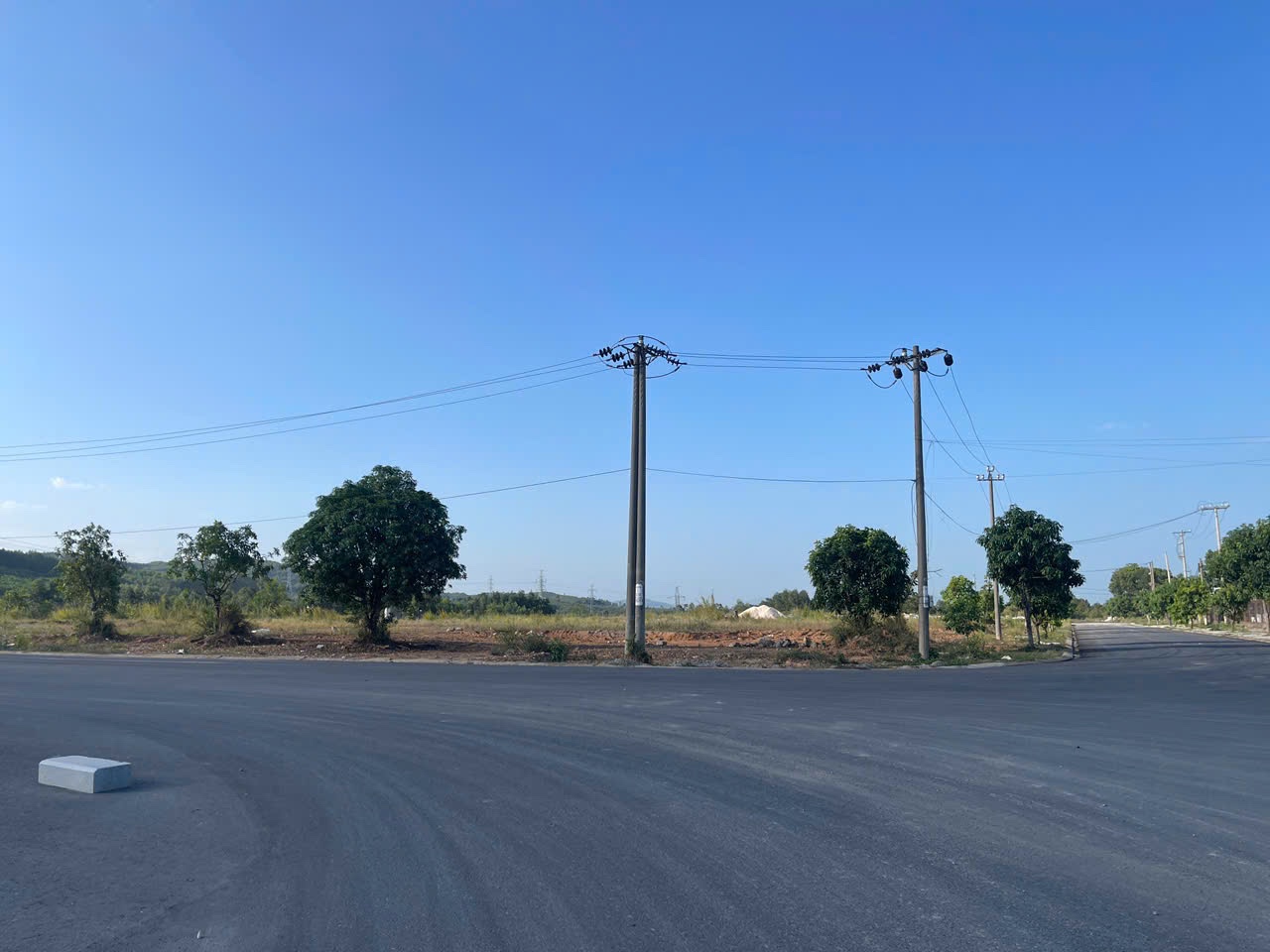
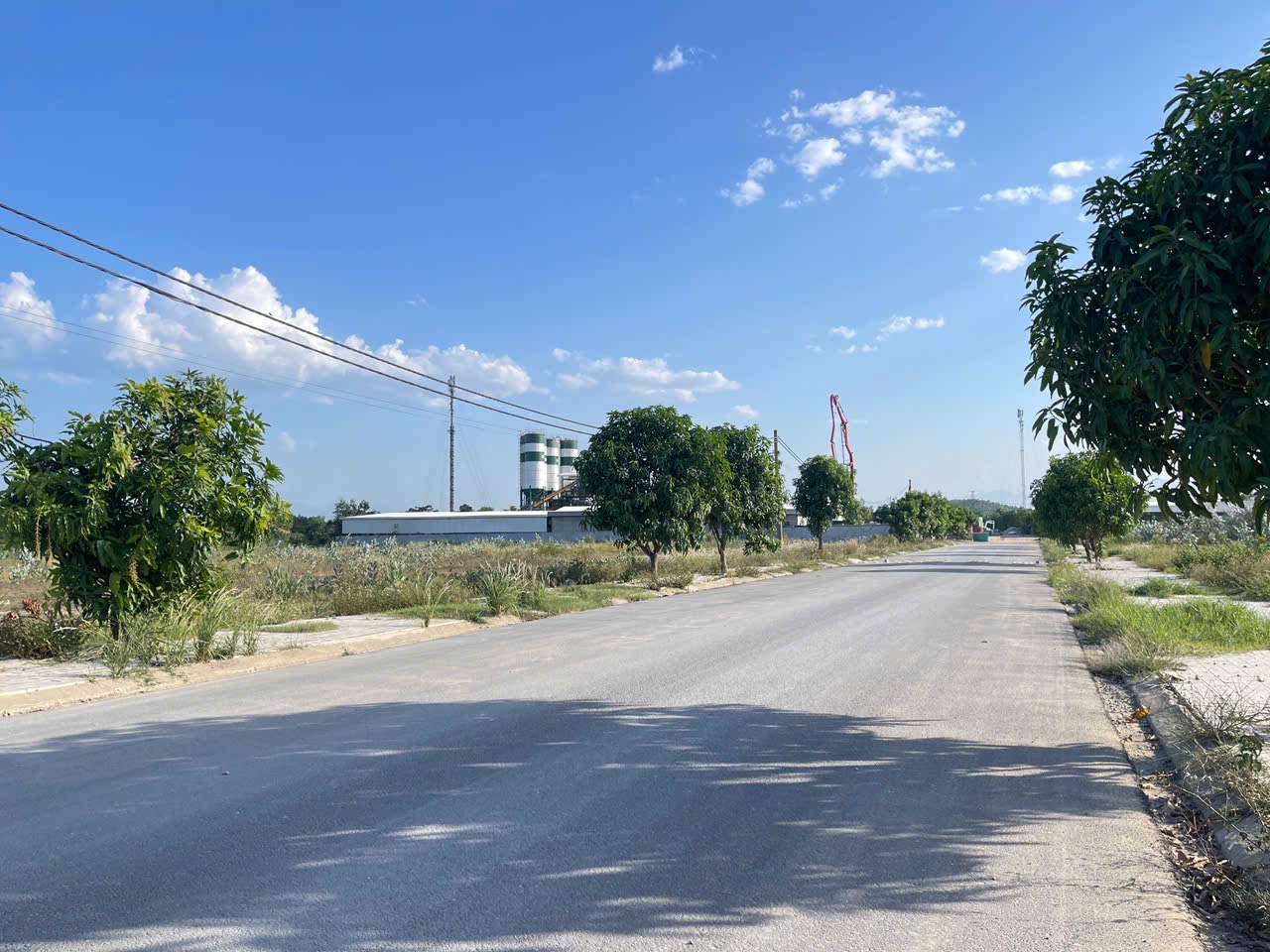
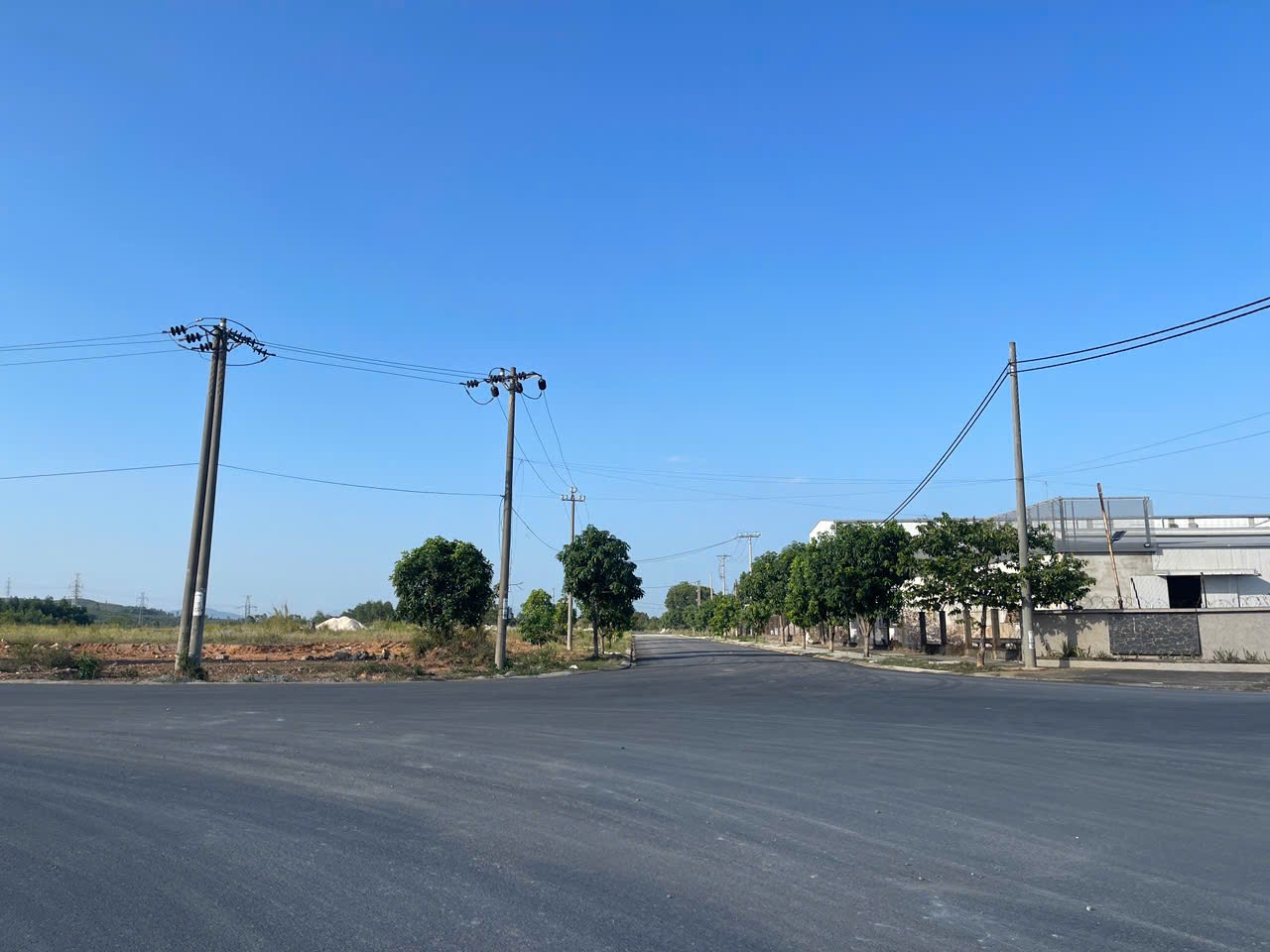
Dai Loc, Da Nang
Total area:174,000 m²

Vacant area:130,000 m²


Luong Son & Lien Son Communes, Phu Tho
Total area:2,136,800 m²
Vacant area:680,000 m²


Doan Hung, Phu Tho
Total area:4,756,700 m²
Vacant area:NA


Van Lam, Hung Yen
Total area:63000 m²
Vacant area:63000 m²


Binh Xuyen, Vinh Phuc
Total area:29500 ha
Vacant area:NA


Long Bien, Ha Noi
Total area:8900 m²
Vacant area:4400 m²
Fit depends on a few specification points:
- Geotechnical conditions and ground bearing capacity relative to heavy racking loads
- Access roads wide enough for 40-foot container tractor-trailers
- Proximity to ports, expressways and labour supply
- Power, water and wastewater capacity
- Permitted land use approved under the industrial park’s detailed plan
In the north, Bac Ninh, Hai Phong and Hung Yen lead thanks to highway and port access.
In the south, HCMC, now merged with the former Binh Duong and Ba Ria-Vung Tau provinces, holds the largest concentration of supply. Dong Nai and Tay Ninh, which absorbed the former Long An province in the same 2025 merger, add further capacity near the port network. Across both regions, rent tracks connectivity rather than geography: plots closest to deep-water ports, expressway interchanges and the major consumer markets cost more, while parks further out sit below that level.
In the central region, logistics land supply remains thin but prices are considerably lower, concentrated around Da Nang, Chu Lai and Dung Quat. It suits occupiers serving the central market or working the East-West Economic Corridor into Laos and Thailand, rather than distributing nationally.
E-commerce fulfilment, cold chain and manufacturing supply chains lead demand. Over the past 12 to 24 months, nearshoring and supply chain diversification have pushed more occupiers to lock in land early rather than lease short term.
Logistics land suits occupiers who need a long land use right term and control over facility design. If your timeline is short, a ready-built warehouse, factory space or general industrial land plot may fit better.
Well located, fully licensed logistics land in the leading industrial parks is limited. Arranging new land and completing the permitting process, as opposed to leasing within an existing park, can take a year or more once zoning, site clearance and licensing are factored in. Occupiers should start site search early to avoid losing preferred locations.
For advice on site selection, infrastructure assessment, land use zoning review and lease negotiation for logistics land across Viet Nam, the Savills Industrial team can advise based on your operating model, throughput volumes and specific connectivity requirements.
Contact Mr John Campbell, Director, Industrial Services at Savills Vietnam, on +84 986 718 337.
Logistics land is industrial land zoned for warehouses and distribution hubs. Occupiers lease plots from 1 ha to over 20 ha to build storage and transport facilities near ports and highways.
Supply concentrates in Bac Ninh, Hai Phong and Hung Yen in the north, and HCMC, Dong Nai and Tay Ninh in the south, near key highways and ports.
Under Article 172 of the Land Law 2024, industrial land leases run up to 50 years as standard, and up to 70 years for projects with large capital investment but slow capital recovery, counted from the industrial park’s establishment date. Remaining terms vary by park, so confirm the exact expiry date on the land use right certificate before signing.
E-commerce fulfilment, third-party logistics and cold chain operators are the main occupiers, followed by manufacturers needing distribution capacity.
Lead times vary by province and can extend further when supply is tight, often running a year or more once zoning and permitting are included. Starting the site search early gives occupiers more room to negotiate terms and location.
Logistics land is priced on the same basis as general industrial land, since the two share the same lease structure and the same park developers. Industrial park land averaged about USD 186.6 per sq m per lease term nationwide in Q1 2026 (Savills research). Plots with direct expressway or deep-water port access cost more than the park average in both the north and the south, with pricing varying further by remaining lease term and infrastructure standard.
Industrial land is the broader category of plots zoned within an industrial park for factories, warehouses or logistics centres. Logistics land is the subset specifically designated on the masterplan for warehousing, distribution and logistics use, rather than manufacturing.
Both are leased under the same Land Use Right structure and from the same park developers, so the practical difference is permitted use rather than lease mechanics.
Logistics land carries a masterplan land-use designation for warehouse, distribution and related logistics functions, such as container yards or bonded warehousing, set by the industrial park's approved masterplan, separate from plots designated for manufacturing.
Check the masterplan designation and the investment registration certificate together, as permitted use can differ between the two.