


Industrial land in Viet Nam is undeveloped or semi-developed land inside a planned industrial zone, set aside for factories, warehouses or logistics facilities. Developers and manufacturers lease it under a land use right contract, then build to their own operational specification.
Plot sizes range from under 1 hectare to over 50 hectares. Supply sits mainly in HCMC, including the former Binh Duong and Ba Ria-Vung Tau areas, and in Dong Nai, now including the former Binh Phuoc area, plus Tay Ninh, which now covers the former Long An area. In the north, supply concentrates in Bac Ninh, Hai Phong and Hung Yen.
According to Savills Research’s *Industrial Insider 2025: Shift to Scale*, average industrial land prices in H2 2025 reached approximately USD 141 per sq m per lease term in the Northern Economic Zone and USD 193 per sq m in the Southern Economic Zone. The southern market benefits from established manufacturing clusters, port access, and a developed logistics network.
Demand comes largely from FDI inflows into electronics, garment and logistics sectors seeking build-to-suit sites.
Savills Viet Nam advises developers, occupiers and investors on land use right valuation, site selection and feasibility for industrial land in Viet Nam.
Our team works across the full range covered in our Industrial Services, and covers each sector in our Types of Industrial Properties in Viet Nam 2026 guide.
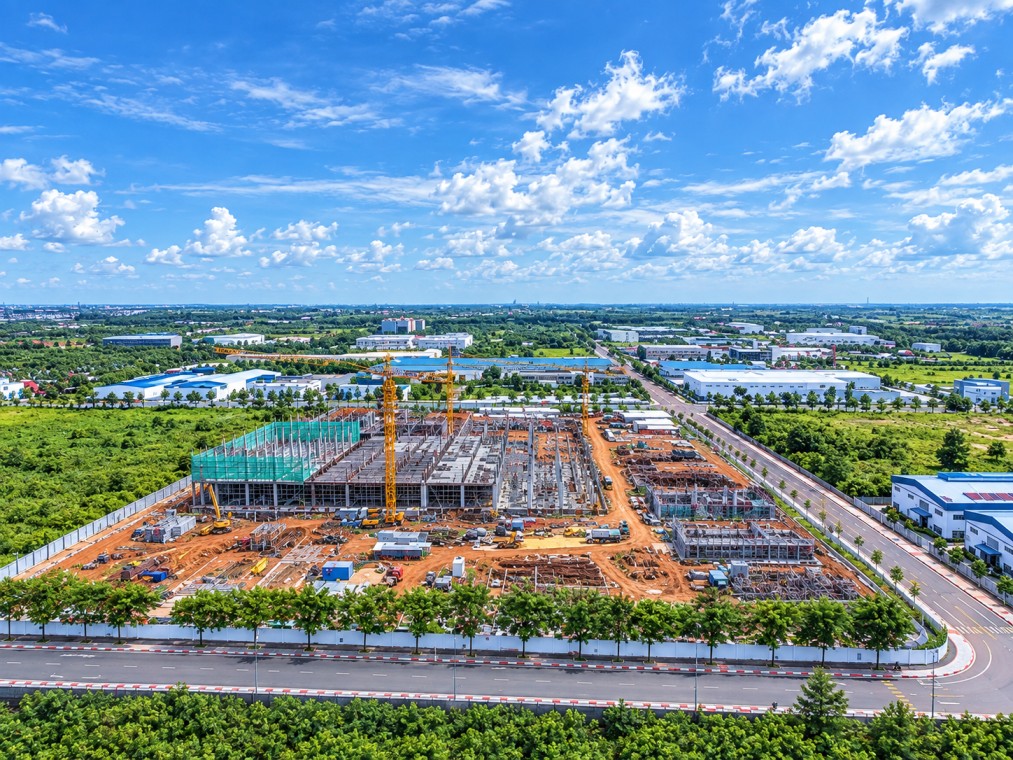
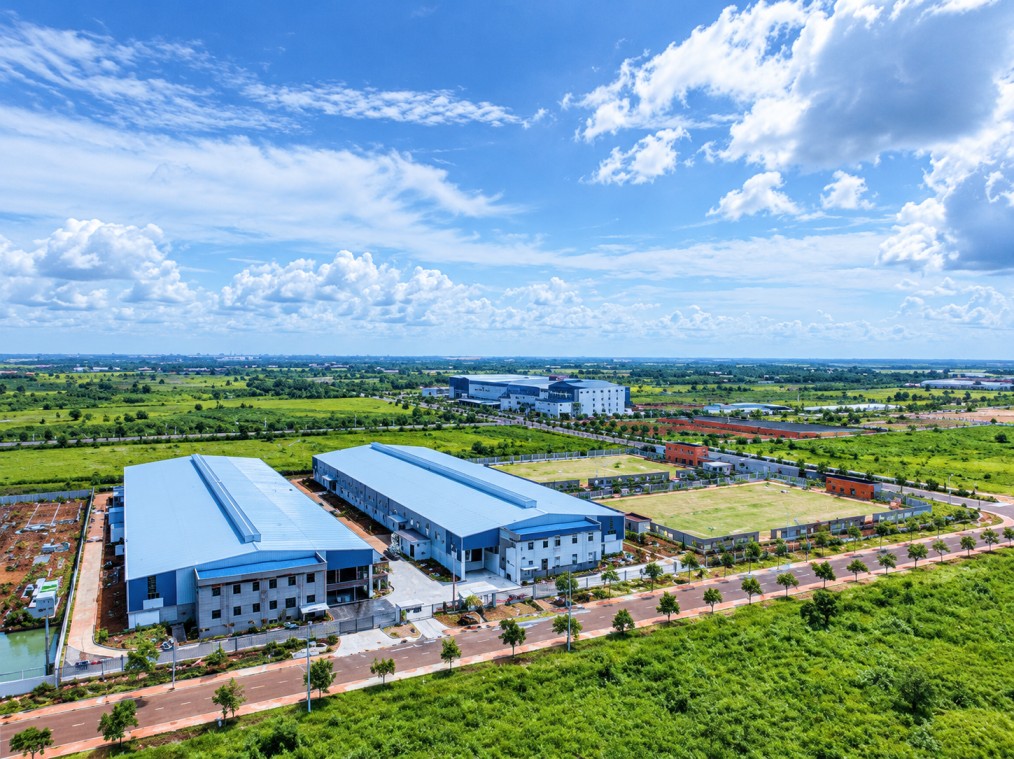
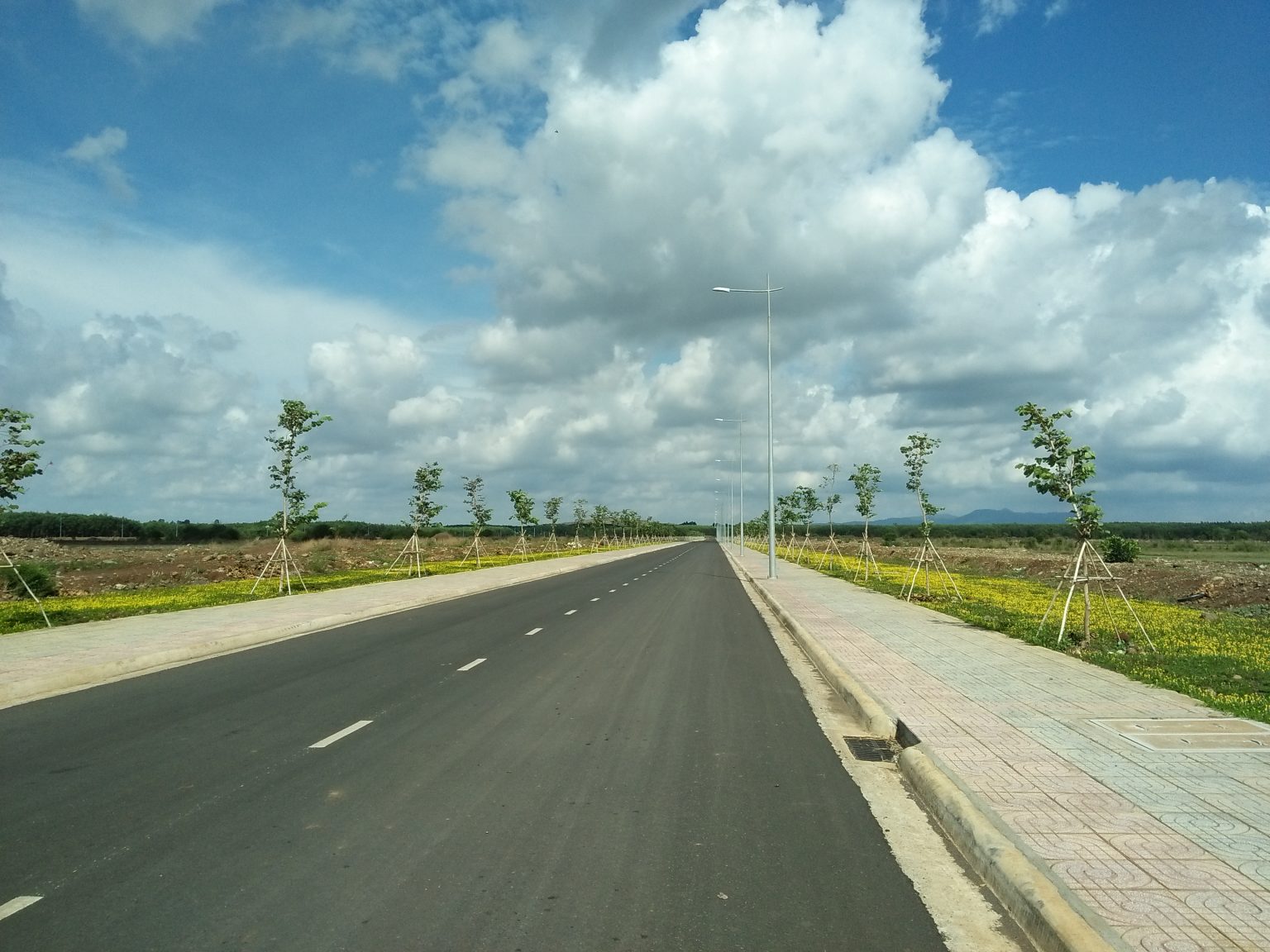
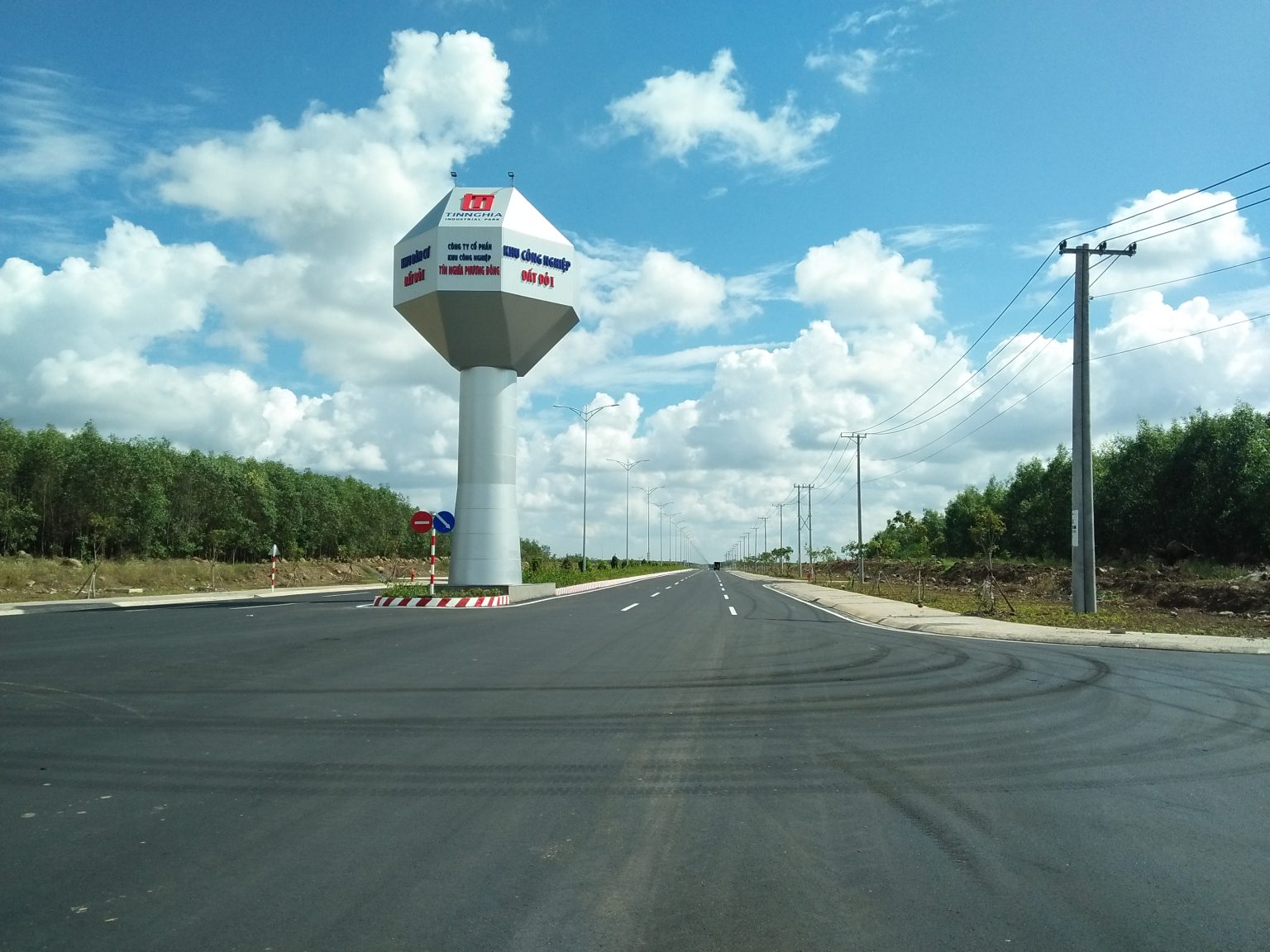
Ba Ria - Vung Tau
Total area:496.22 ha

Vacant area:NA
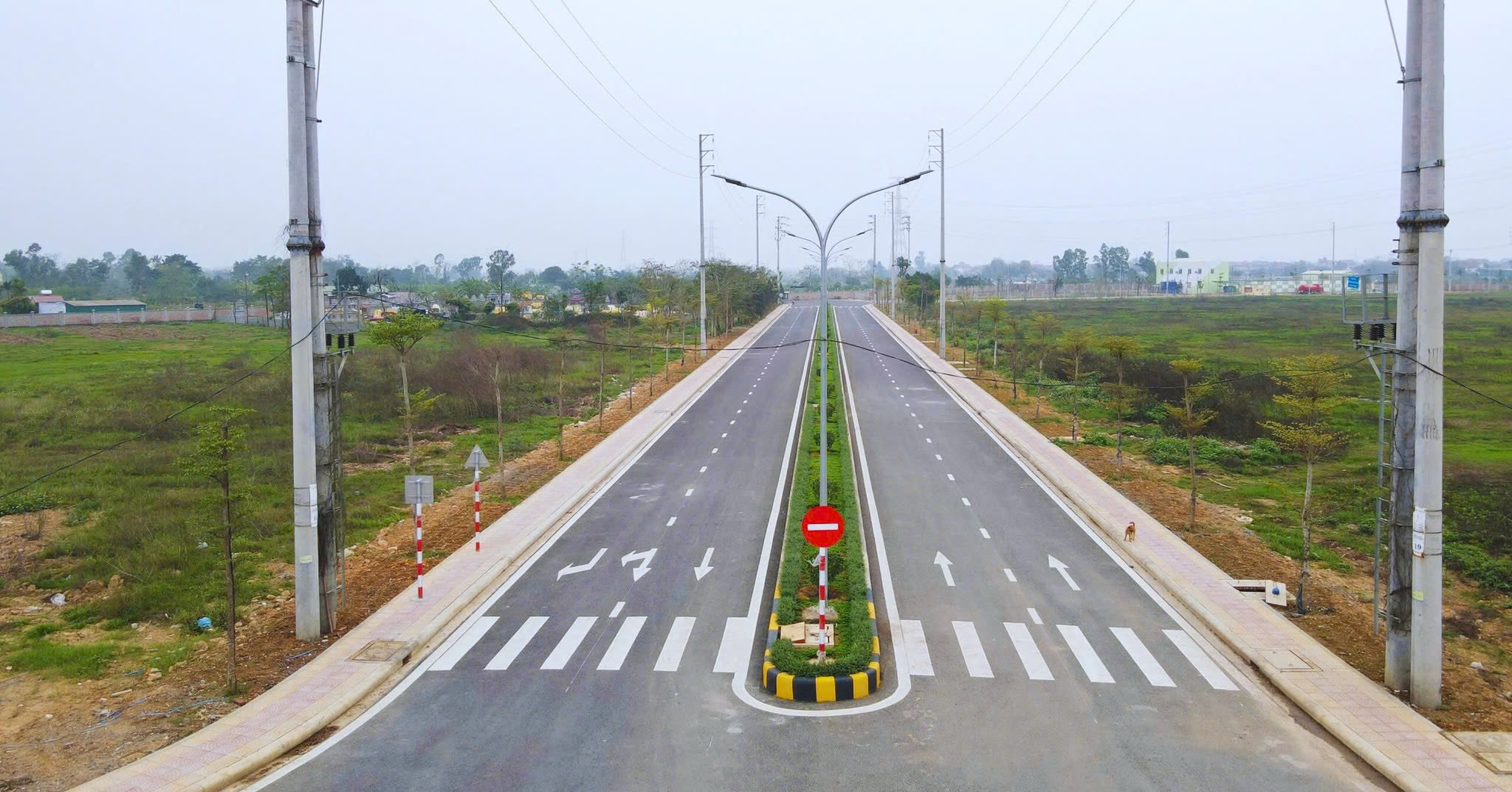
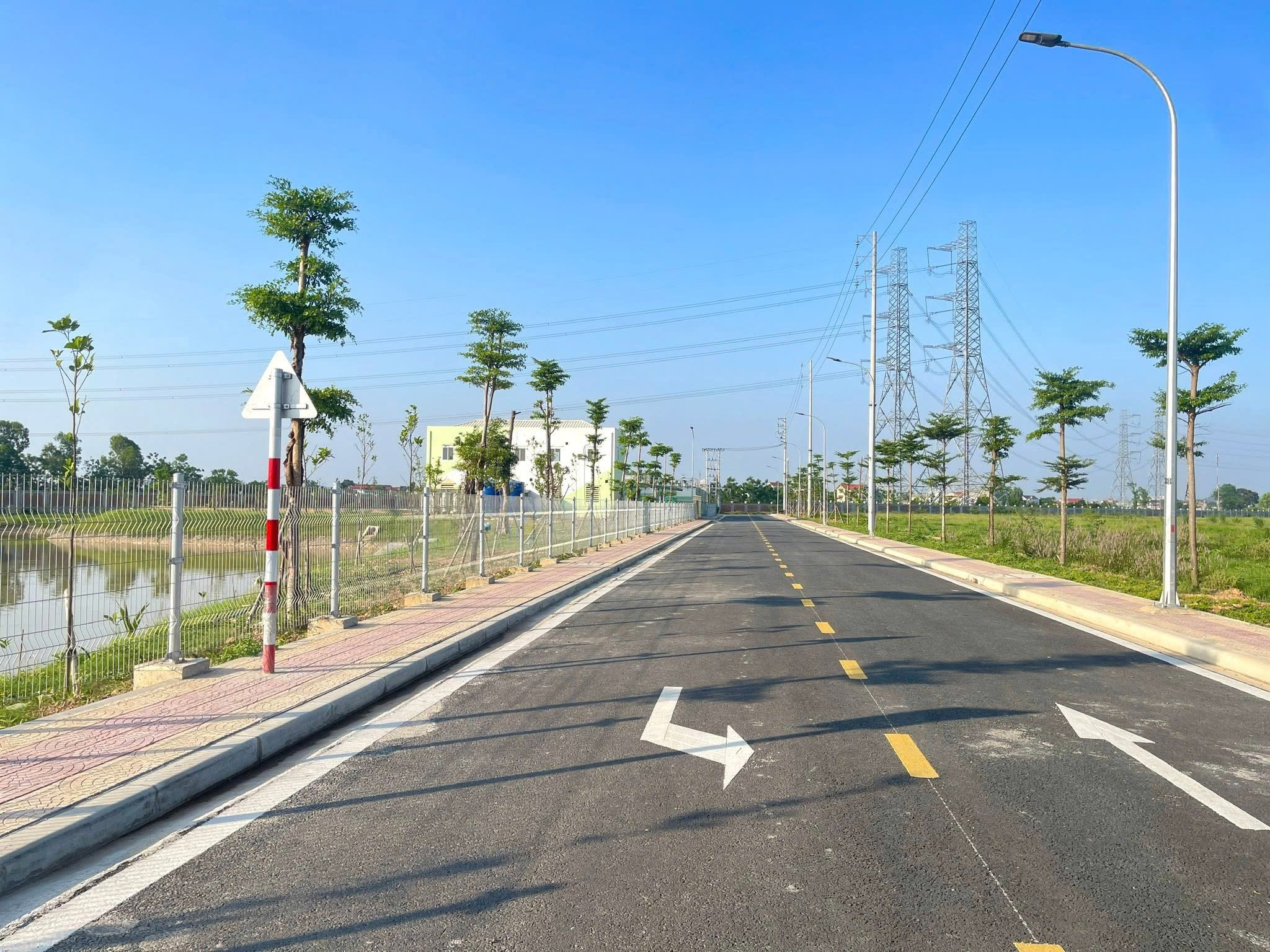
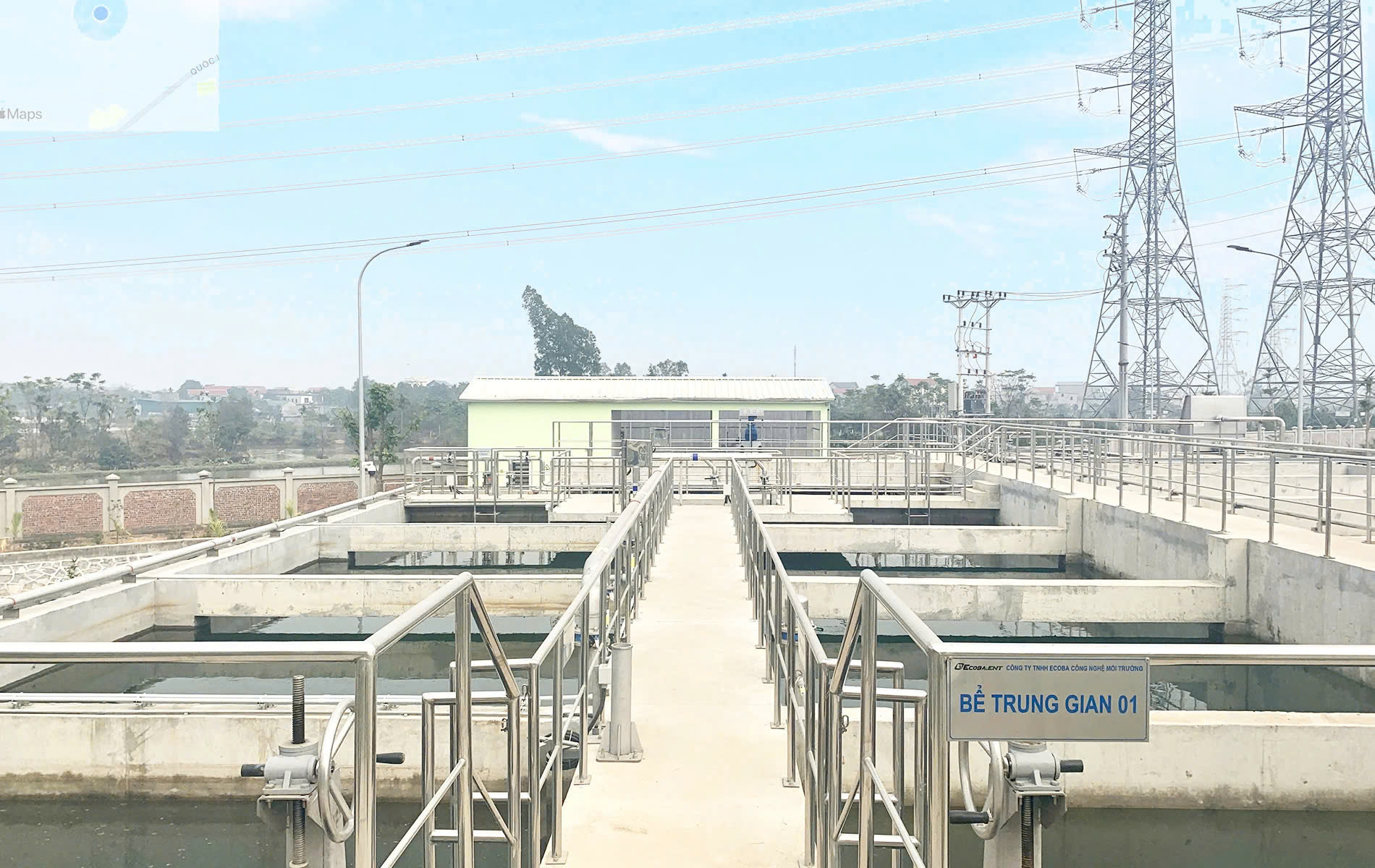
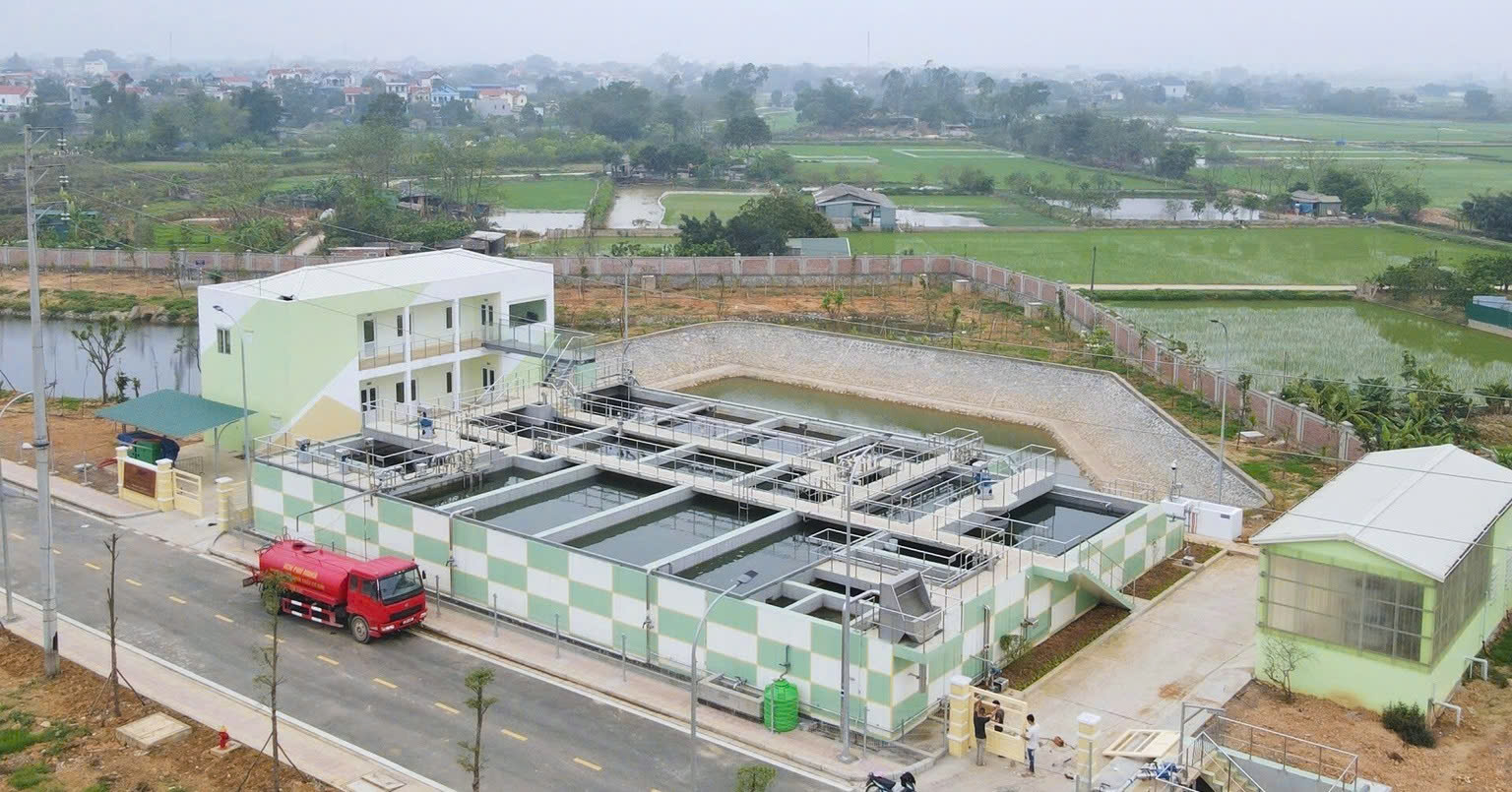
Chuong My, Ha Noi
Total area:41.2 ha
Vacant area:Đang cập nhật ha


Long Thanh, Dong Nai
Total area:360.58 ha
Vacant area:NA


Thuy Nguyen, Hai Phong
Total area:247.88 ha
Vacant area:167.39 ha


Long Thanh, Dong Nai
Total area:145 ha
Vacant area:NA


Cat Hai, Hai Phong
Total area:752 ha
Vacant area:369 ha
Fit depends on a few practical variables:
- Construction density permitted under the park’s detailed plan, which caps how much of the plot can be built on (maximum 70% under QCVN 01:2021/BXD)
- Road, rail or port access for your supply chain, and the drive time to the nearest deep-water terminal
- Power capacity for heavy manufacturing loads
- Geotechnical conditions and ground bearing capacity relative to the intended structure and machinery loads
- Remaining term on the Land Use Right Certificate, which directly affects amortisation
- Infrastructure and management fees, which sit outside the quoted land rent
Southern supply is concentrated in the former Binh Duong corridor now within HCMC, and in Dong Nai, which now includes the former Binh Phuoc area, close to the Cat Lai and Cai Mep port clusters. Tay Ninh, now covering the former Long An area, adds nearby capacity.
Northern supply sits in Bac Ninh, Hai Phong and Hung Yen, near the Ha Noi to Hai Phong Expressway.
According to Ministry of Construction data for Q1/2026, industrial land rents range from USD 185 to 280+ per sq m per lease term in the south, USD 90 to 250 in the north and USD 70 to 120 in the central region, with occupancy above 90% in the south and above 80% in the north. Read our latest Viet Nam industrial market research for current supply and rental data.
Electronics, garment and logistics occupiers lead take up, often seeking build-to-suit sites over ready-built units.
Over the past 12 to 24 months, supply chain diversification has pushed more manufacturers to lock in land early, ahead of shortages in the established zones.
Raw land suits businesses that need a custom layout or long-term site control. Conversely, it is not the right option when speed of deployment matters more than customisation.
A factory for lease in Viet Nam or a warehouse for lease in Viet Nam can have an occupier operational within weeks. For pure distribution needs, logistics land in Viet Nam often fits better than general industrial land.
Industrial land in the established clusters remains tight, and permitting can add several months to a build-to-suit project timeline.
Occupiers who start site selection early tend to secure better terms. Contact our industrial team to discuss available plots and current lease terms.
For advice on site selection, land use right valuation, feasibility studies and lease negotiation for industrial land across Viet Nam, the Savills Industrial team can advise based on your sector, project scale and specific technical requirements.
Contact Mr John Campbell, Director, Industrial Services at Savills Vietnam, on +84 986 718 337.
It is undeveloped or semi-developed land inside a designated industrial zone, leased under a Land Use Right contract for factories, warehouses or logistics use. Tenants typically build their own facility on the site, with plot sizes ranging from under 1 hectare to over 50 hectares.
Asking rents range from roughly USD 70 to 280+ per sq m per lease term depending on region. The south sits at the top (USD 185 to 280+) on the strength of port access and established manufacturing clusters, the north runs USD 90 to 250, and the central region is lowest at USD 70 to 120 (Ministry of Construction, Q1/2026).
Supply concentrates around HCMC, Dong Nai and Tay Ninh (which now includes the former Long An area) in the south, and Bac Ninh, Hai Phong and Hung Yen in the north, largely due to proximity to ports, expressways and existing manufacturing clusters.
Under Article 172 of the Land Law 2024, industrial land leases run up to 50 years as standard, and up to 70 years for projects with large capital investment but slow capital recovery, counted from the industrial park’s establishment date. Remaining terms vary by park, so confirm the exact expiry date before signing. Upfront lump sum payments can be used as bank collateral, while annual payments offer more flexibility.
Electronics, garment and logistics companies lead demand, mainly for build-to-suit projects. Businesses needing a quick move in tend to choose a ready-built factory or warehouse instead of raw land.
The quoted rate covers the land use right for the remaining lease term. Infrastructure fees, management fees and wastewater treatment charges are usually billed separately and recur annually, so the headline rate is not the full occupancy cost. Confirm which services are included and which are charged on top before comparing offers between parks.
Yes. Foreign-invested enterprises lease industrial land through the park developer once an investment registration certificate is issued, with the lease running to the park's land use right expiry. The process differs from direct land acquisition, which remains restricted, so most foreign occupiers enter through an industrial park rather than negotiating land separately.