
07 May 2026


Can a foreigner buy property in Vietnam? Yes, foreigners can buy property in Vietnam, with conditions. Individual foreigners can own apartments and houses inside designated commercial projects on a 50-year leasehold (extendable once).
Foreign-invested enterprises (FIEs) can lease industrial land for 50 to 70 years through the Investment Registration Certificate (IRC) framework. Foreigners cannot own land outright; all land remains state-owned and is held through Land Use Rights.
With attractive economic growth and breathtaking scenery, Vietnam is an ideal destination for foreign investors, including real estate. However, the legalities of property ownership in Vietnam as a foreigner can be complicated.
That is why this comprehensive guide has been designed to simplify the process by providing explanations on everything from eligibility requirements to ownership limitations. We will look at the different types of properties that foreigners can buy, explain how the purchase process works step-by-step, and address the frequently asked question: can foreigners buy real estate in Vietnam?
Can foreigners buy land in Vietnam?
No, foreigners cannot directly own land in Vietnam. All land remains state-owned, and foreigners cannot hold Land Use Rights (LURs) in their own name. This is a fundamental aspect of property in Vietnam that international investors must understand from the outset.
What can they buy?
While foreign land ownership is prohibited, foreigners can invest in real estate entities connected to land through leaseholds. These include apartments or villas within developments that come with long-term lease agreements, typically lasting for decades.
Can Americans buy property in Vietnam? It follows the same regulations as other foreign nationals.
Is it a “Leasehold”?
While it behaves like a leasehold, it’s legally termed “ownership of house attached to land.” You own the building (the “Pink Book”), but the land itself remains with the State.
Under the Land Law 2024 (effective January 1, 2025), Vietnam unified its previous Pink Book (residential housing) and Red Book (land use rights) into a single Certificate of Land Use Rights and Ownership of Assets Attached to Land. Older certificates remain valid; new issuances follow the unified format.
While foreign ownership of real estate in Vietnam is possible, there are limitations on the types of properties and the extent of ownership.

Foreigners can purchase units in commercial housing projects (not social housing) with a 50-year leasehold, which can be extended once for another 50 years (total 100 years maximum). A Land Use Rights Certificate is issued to document this ownership.
These properties represent the most straightforward path for foreign ownership of property for sale Vietnam.
Foreigners cannot directly own land but can own the structure (house) attached to the land if it’s part of a commercial project.
The term is 50 years, extendable. A crucial update: If a foreigner is married to a Vietnamese citizen, they are entitled to long-term/indefinite ownership, similar to citizens.
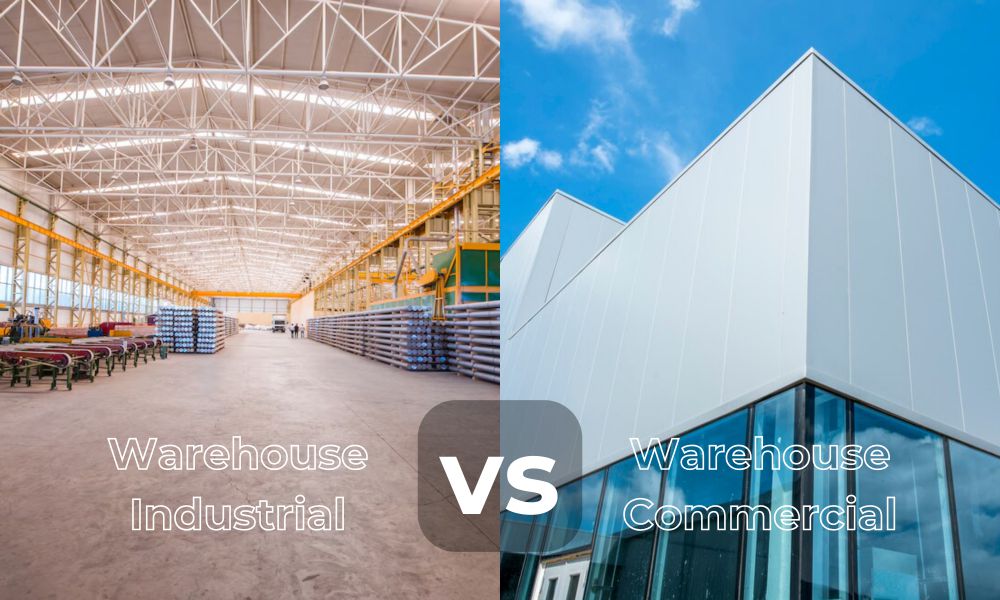
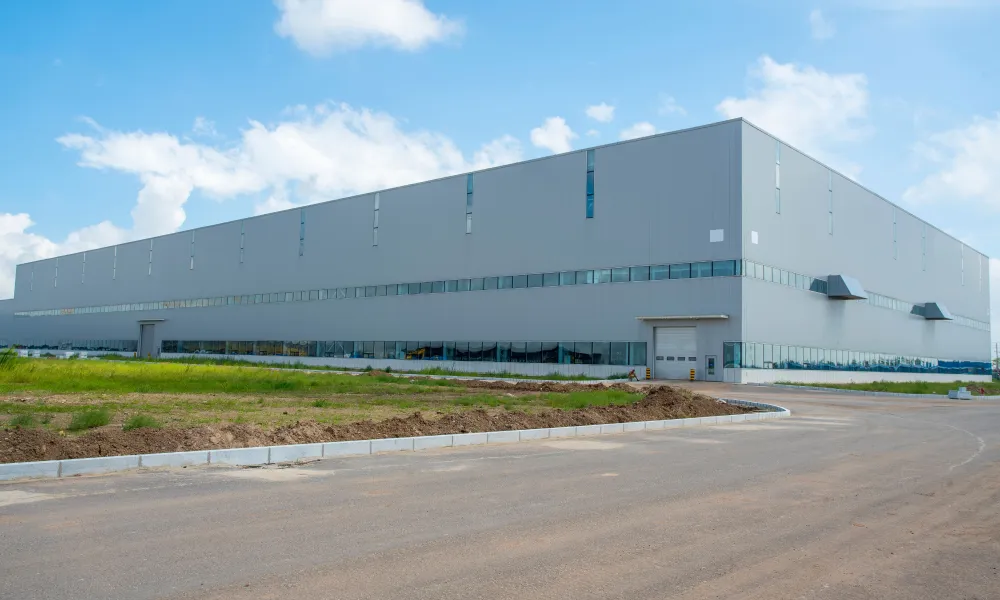
Can foreigners buy real estate in Vietnam for commercial purposes? Yes, with some restrictions. Foreigners looking to invest in Vietnam’s growing industrial sector can also purchase industrial real estate like warehouses and factories. Similar to landed properties, foreign ownership of the land is not permitted.
However, foreigners can acquire ownership of the structures themselves through a leasehold agreement. The Vietnamese government offers various incentives to attract foreign investment in industrial zones, making this a potentially lucrative option.
John Campbell, Director, Industrial Services, Savills Vietnam: “Before 2018, most foreign manufacturers entering the Vietnamese market chose to sublease land from industrial parks and construct their own facilities. This approach required substantial upfront investments in land acquisition and construction, often involving long-term commitments that could be burdensome for companies looking to assess market viability. The rise of a new wave of FDI, particularly in high-value industries such as electronics and technology, has created a need for a different approach to industrial real estate.” (Source: Savills Vietnam Industrial Insider 2024: New Wave whitepaper, Vietnam Investment Review interview, December 2024)
The limitations for foreigners when purchasing industrial real estate in Vietnam stem from the country’s unique land ownership structure, regulatory frameworks designed to balance foreign investment with national interests, and specific quota systems to control foreign concentration in residential projects.
Individual foreign ownership of residential properties remains at 50 years, with the Housing Law 2023 explicitly allowing for one extension of 50 years, potentially totaling 100 years.
For industrial real estate, Foreign-Invested Enterprises (FIEs) acquire Land Use Rights (LURs), documented by what was commonly called a “Red Book” (now a unified certificate).
Under the Land Law 2024, FIEs can access land in industrial parks via sub-leasing or direct state lease.
The quotas for residential projects remain strict to prevent foreign concentration:
– Apartments: Maximum 30% of total units in a single condominium building
– Landed Houses: Maximum 250 houses within a single ward-sized area (defined as roughly 10,000 population)
– Project Cap: If there is only one housing project in a ward, foreigners can own no more than 10% of the houses in that specific project
Foreigners married to Vietnamese citizens residing in Vietnam now enjoy the same property rights as Vietnamese citizens, including freehold (permanent) tenure.
Overseas Vietnamese (Viet Kieu) who retain Vietnamese nationality have full parity with domestic citizens, meaning they can own land directly without the 50-year limit or foreign quotas.
Under the Land Law 2024, foreign investors can choose between annual rental payments or a one-time lump sum. The one-time payment is generally preferred, as it allows the LUR to be used as collateral/mortgage at banks in Vietnam.
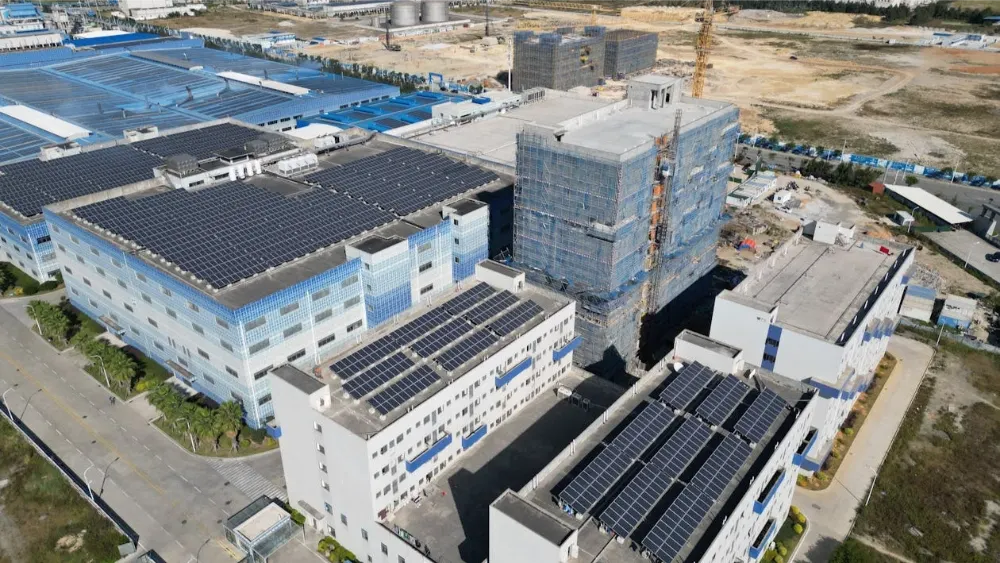
The tenure is tied to the Investment Registration Certificate (IRC), typically 50 years, but can be up to 70 years for projects in disadvantaged areas.
If an individual owner does not apply for an extension 3 months before expiry, or if the extension is denied, they must sell or donate the property.
The “automatic conversion to state ownership” is a last resort if no action is taken by the owner. This applies to both residential and industrial properties.
Foreigners can purchase real estate in Vietnam; it sounds great but also calls for additional information. Here, we would like to focus more on the Vietnamese Process of buying a house.
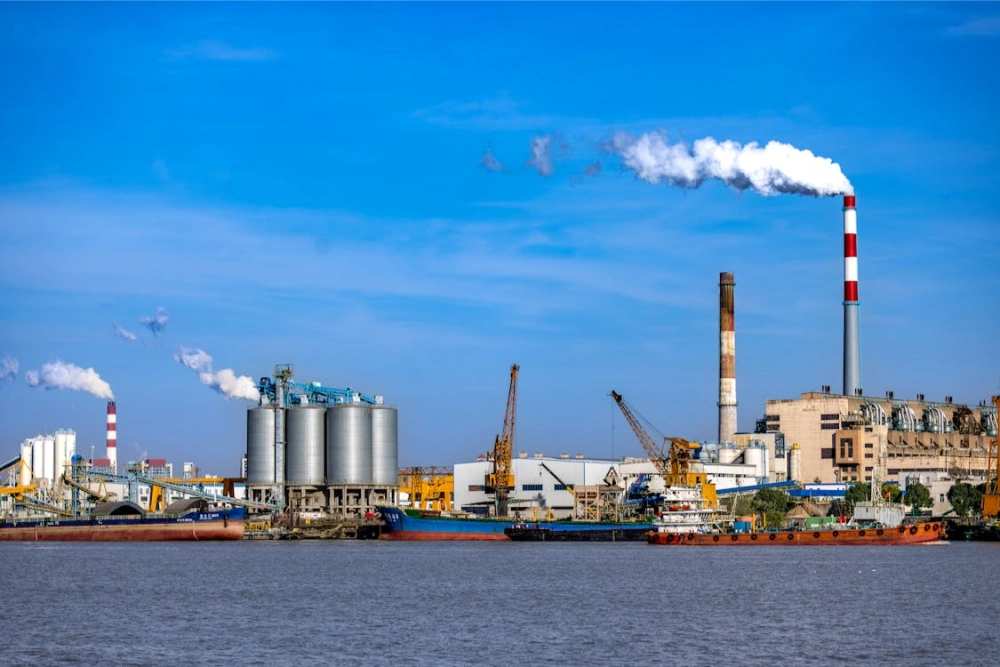
When considering land for sale in Vietnam for industrial purposes, several critical factors should influence your decision:
– Accessibility: Proximity to transportation infrastructure is a major factor in this case. Ideally, the property should be situated close to major highways, ports, or airports that would enable an efficient flow of goods and materials. Additionally, it is vital for there to be a ready pool of skilled labor within the area. Factors like proximity to technical universities or industrial zones can ensure a readily available talent pool to support the specific needs of the manufacturing facility.
– Procedures and Legal Paperwork: Vietnamese regulations require investors and businesses wishing to lease land for commercial purposes, services, domestic investment projects, or foreign capital projects to undergo certain procedures. These include a formal application for a land lease, obtaining an investment registration certificate, signing a land lease agreement, and finally making a deposit under the established regulations.
– Operating and Maintenance Costs: In addition to the initial purchase price tag, foreign investors must also consider the other cost implications of running and maintaining an industrial property in Vietnam. This will include property taxes as well as utility bills, including waste disposal fees and security measures. The cost of maintenance of buildings/repairs should also be taken into consideration, along with any possible renovations that will lead to special production needs on the site.

The step-by-step process for buying property in Vietnam for industrial use follows a specific sequence:
1. Selection and Due Diligence: Select a suitable industrial park (IP) or site, ensuring it aligns with industrial zoning requirements.
2. Reservation Agreement: Sign a Memorandum of Understanding (MOU) or reservation agreement and pay a deposit (typically 10%-20% of the lease value) to hold the land.
3. Establish a Legal Entity: Foreigners must establish an FIE to own or lease land.
4. Licensing (IRC and ERC): Apply for the Investment Registration Certificate (IRC) from the Provincial Department of Planning and Investment (DPI) or IP Management Board. Following approval, obtain the Enterprise Registration Certificate (ERC).
5. Land Sublease Agreement: Sign the official land lease contract with the developer or relevant authority.
6. Payment & Handover: Pay the first installment (usually 30%-40%). The developer will hand over the land and infrastructure.
7. LURC Acquisition: Apply for the Land Use Rights Certificate (LURC), also known as the “Red Book,” to formalize legal land usage rights.
8. Construction Approval: Obtain necessary permits, including Environment Impact Assessment (EIA) approval, fire prevention permits, and construction permits before commencing factory construction.
Obtaining IRC/ERC takes roughly 4–6 weeks, with the entire process taking several months.
Savills has been Vietnam’s leading industrial real estate consultancy since 1995, offering unparalleled expertise in this dynamic market. Our dedicated team understands the nuances of can a foreigner buy property in Vietnam and provides tailored solutions to navigate these complexities successfully.
Our full-service platform addresses every aspect of industrial real estate in Vietnam, making the complex process of acquisition and management straightforward and efficient:
– Landlord Advisory Services: We provide full-service consultancy to maximize project returns, offering project marketing at any development stage and sale or lease advisory from initial stages through completion.
– Tenant Representation: We develop systematic transaction strategies that avoid expensive pitfalls while adding tangible value. Our team advises on site searches and Vietnam industrial park analyses, lease renewals, and rent reviews through deep understanding of real estate law.
– Market Research: Our granular to macro research ensures all variables are quantified to maximize success. We provide refined research through Savills Quarterly Market Reports, Specific Market Studies, Concept Development Recommendations, and Market Surveys.
– Leasing & Brokerage: Whether needing industrial space or investing in buy-to-let properties, Savills provides unparalleled leasing advice with precise industrial space searches and end-to-end brokerage services.
– Sale & Leaseback: We advise factory or warehouse owners on utilizing their industrial assets as financing tools, analyzing land and building values and proposing monthly rental fees to ensure satisfactory ROI.
– Investment Brokerage: We find optimal investment opportunities to satisfy clients’ acquisition strategies and optimize current market terms for disposals, working closely with our research and valuation teams.
At Savills, we simplify the complex process of industrial property acquisition in Vietnam. Our comprehensive approach, backed by extensive data and Power BI analysis, ensures that our clients make informed decisions that align with their business objectives.
Read more: Comprehensive Guide to Buying Properties in Vietnam
Can foreigners buy real estate in Vietnam? Yes, with certain terms and conditions. The Vietnamese real estate market offers exciting opportunities for foreign investors. As we explored, foreigners can indeed acquire property in Vietnam, with clear regulations ensuring a smooth transaction process.

For investors evaluating industrial real estate in Vietnam, Savills Industrial Vietnam offers end-to-end support from FIE setup through IRC, ERC, LURC, and beyond. With over 99,164 m² leased, 40+ developer contracts, and $28 million in transaction values since 1995, our team has guided foreign investors through every regulatory layer. Contact John Campbell, Director, Industrial Services at Savills Vietnam, at +84 986 718 337, or reach the Savills Industrial team for a confidential consultation on your foreign-investor property requirements.
This section addresses frequently asked questions (FAQs) regarding foreign ownership of real estate in Vietnam.
In Vietnam, foreign individuals hold property rights for a maximum of 50 years from the issuance of the ownership certificate.
While foreign ownership of Vietnamese real estate grants property rights for 50 years, these rights are renewable upon lease expiration.
Yes. Vietnamese legislation permits foreign property owners to divest their holdings through sales to eligible domestic or international buyers.