
25 April 2026


Northern Viet Nam will add approximately 5,050 hectares of new industrial land between 2026 and 2029 (Source: Savills Industrial Vietnam Q4 2025 market report), driven by the surge in electronics, semiconductor, and high-tech manufacturing FDI. For 3PL providers and FDI manufacturers, the operational question is no longer whether to be in the North, but how to design supply chain infrastructure that keeps up. That’s where cross docking comes in.
Major expressways such as Noi Bai – Lao Cai, Ha Noi – Hai Phong – Quang Ninh, Ring Roads 3 and 4, along with international seaports and airports, provide ideal conditions for goods circulation and supply chain optimisation.
As the demand for faster handling, cost-saving operations, and reduced warehousing time continues to grow, many FDI enterprises and 3PL providers have started integrating the Cross docking model into their supply chains, especially in major logistics hubs such as Bac Ninh, Hung Yen, and Hai Phong. Leading industrial real estate developers like SLP, Frasers Property, BW Industrial (BWI), and CNCTech have also invested in logistics centres with direct-transfer capabilities in this area, highlighting the model’s emergence as a suitable solution aligned with modern logistics trends.
John Campbell, Director, Industrial Services, Savills Vietnam: “Some industrial parks in Việt Nam are designated for manufacturing only, which can pose challenges for logistics and e-commerce companies seeking suitable land. To address this, it’s important to have industrial parks that are flexible enough to accommodate both manufacturing and logistics operations.”
(Source: Savills Vietnam Industrial Real Estate Highlights 2024, December 2024)
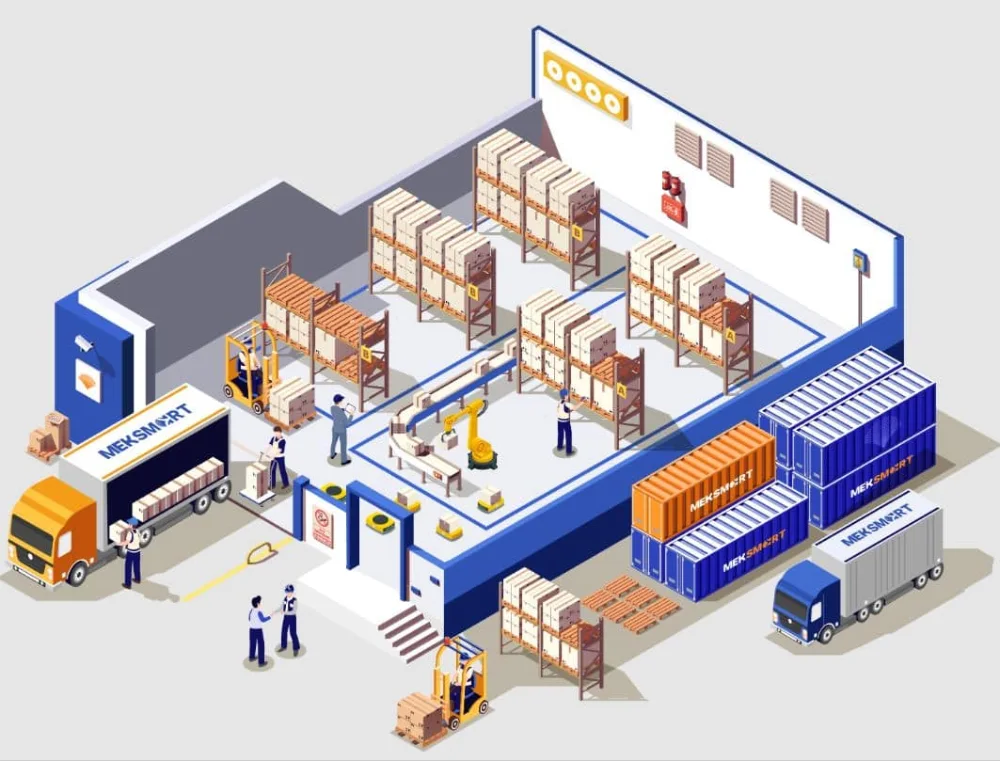
Cross docking (direct transfer process/flow-through logistics) is a modern distribution model in which long-term storage is eliminated. Upon arrival at the distribution centre, goods are inspected, sorted, and immediately transferred to outbound transport without going through extended warehousing. The goal is to shorten processing time and reduce logistics costs.
To operate efficiently, this model requires tight synchronisation between inbound and outbound flows, precise transport planning and labour coordination, as well as transparent, real-time order data updates.
Currently, cross docking is deployed in various forms, tailored to specific operational objectives:
– Manufacturing Application: Aggregates materials/components from multiple suppliers and ships them directly to manufacturing lines.
– Distributor Model: Receives goods from multiple sources, sorts them by order, and dispatches them immediately upon completion.
– Transportation-based method: Combines shipments from different carriers to optimise route planning and delivery costs.
– Retail version: Accepts goods from multiple suppliers and distributes them directly to retail stores.
– Opportunistic transfer: Flexibly applied within the warehouse, allowing cross docking from receiving to shipping zones based on specific needs.
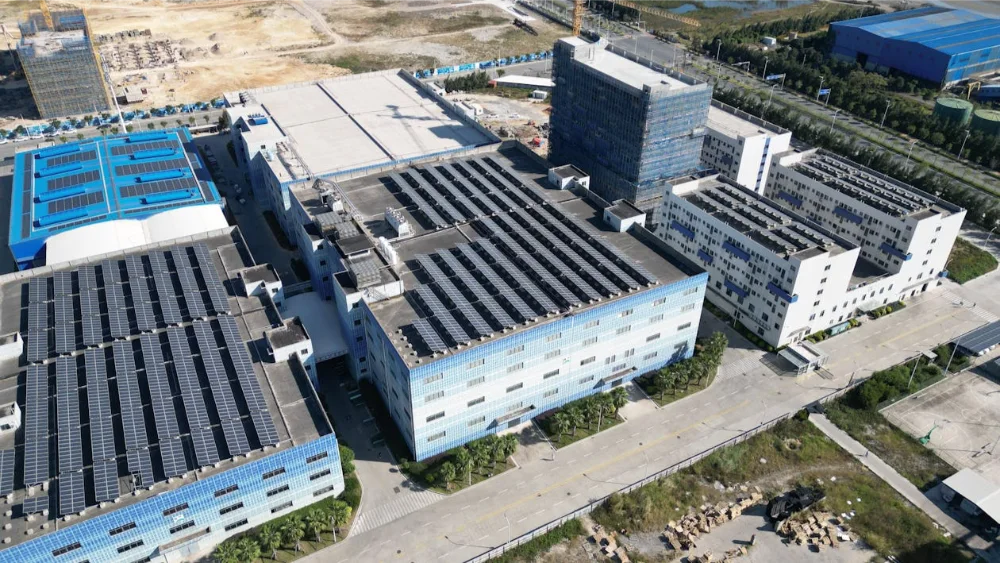
Basic workflow:
This process requires accurate coordination among operational teams, efficient order management systems, and real-time data to ensure continuous, uninterrupted goods flow.
Types of goods suitable for cross docking:
– Fast-moving, short shelf-life, or perishable items: such as fresh food, pharmaceuticals, seasonal products
– High-quality, pre-certified goods: not requiring additional inspection during transfer
– Fully packaged and labelled items: ready for delivery without further handling
– Promotional goods, new launches, or best-selling products: requiring rapid market distribution during peak demand
The cross docking advantages over traditional methods stem from eliminating the storage phase entirely, which drastically cuts holding costs, accelerates delivery times, and reduces inventory risks.
When evaluating cross docking and warehousing, the direct-transfer approach proves vastly superior for time-sensitive supply chains.
– Reduced storage costs: Goods are transferred immediately, helping businesses significantly cut warehousing and preservation expenses. This is especially beneficial for items with short shelf lives or urgent delivery needs.
– Faster delivery time: By removing the storage step, the time from receiving to shipping shortens to just one or two days, significantly faster than conventional timelines.
– Optimized operations: Simplified logistics processes reduce handling steps, minimize backlogs, and improve resource allocation for personnel, vehicles, and budget.
– Reduced inventory risk and capital lock-up: This model removes the need to hold stock that ties up working capital. For electronics and semiconductor components with rapid generational turnover, avoiding obsolescence risk is highly material to operating margins.
– Improved supply chain visibility: The real-time data integration required (WMS, transport management, EDI) gives operators end-to-end visibility from supplier dock to customer delivery. This is a strategic advantage for ESG reporting, customer SLA management, and demand forecasting.
Meanwhile, traditional warehousing involves multiple compulsory steps, receiving, storing, picking, and shipping. This leads to longer handling times, higher costs, and reduced suitability for the fast-paced demands of modern high-tech manufacturing.
The potential for implementing cross docking in Northern Viet Nam is exceptionally high right now because surging high-tech manufacturing demand aligns perfectly with the region’s rapidly expanding logistics infrastructure and new ready-built warehouse supply.
Market drivers remain strong. Manufacturing PMI stayed in expansion territory early in 2026, creating a surge in demand for high-speed logistics to support electronics, semiconductors, and high-tech manufacturing.
Between 2026 and 2029, the North is expected to add approximately 5,050 hectares of industrial land, along with significant ready-built warehouse (RBW) space.
To implement this model successfully, selecting the right facility is crucial. A distribution centre must meet specific technical requirements:
– Strategic location: Close to expressways, ports, airports, or major logistics nodes to optimize inbound and outbound movement.
– Optimized layout design: A cross docking or I/H-shaped layout to support continuous goods flow and minimize intermediate handling.
– Sufficient dock doors: Proper placement to support simultaneous inbound and outbound processing.
– High ceiling clearance and open space: Ensuring efficient handling of goods despite the lack of long-term storage racks.
– Scalability and automation readiness: Enabling future expansion or integration of technologies like conveyors and sorting robots.
With superior infrastructure networks like the Noi Bai – Lao Cai and Ha Noi – Hai Phong expressways, Northern Viet Nam offers ideal conditions for goods circulation. Leading developers have recognized this, investing heavily in logistics centres with direct-transfer capabilities in major hubs like Bac Ninh, Hung Yen, and Hai Phong.
Northern Viet Nam’s strategic industrial locations offer exceptional facilities tailored for cross docking operations. We have identified top-tier projects that perfectly match the technical requirements of this fast-paced logistics model.
Strategically located within Yen Phong Industrial Park, SBN-W29 offers high-quality ready-built factory solutions that enable businesses to swiftly expand operations and optimize supply chains. The industrial parks here offer fully completed technical infrastructure, including electricity and telecommunications.
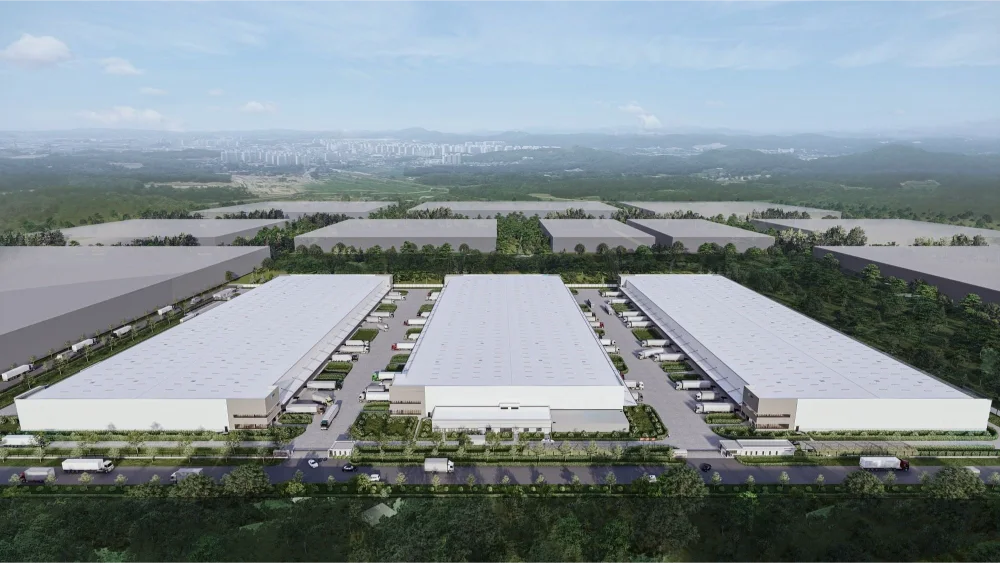
Key features:
– Large available space suitable for a wide range of manufacturing and commercial industries.
– Modern design with a solid structure and high clear height, ideal for machinery installation and goods movement.
– Fully completed technical infrastructure with ready connections to power, water, and telecommunications.
– Fire protection system compliant with Vietnamese standards (TCVN).
– Excellent connectivity to Noi Bai Airport, central Ha Noi, key expressways, and northern seaports.
Situated in Song Khe, Bac Ninh province (previously Bac Giang province), adjacent to major expressways connecting the region’s economic hubs, SBG-W66 delivers high-quality solutions tailored for manufacturing businesses and third-party logistics providers. It is part of a larger Class II National Logistics Center that launched its modern operating model in early 2025 and is scaling up operations through 2026.
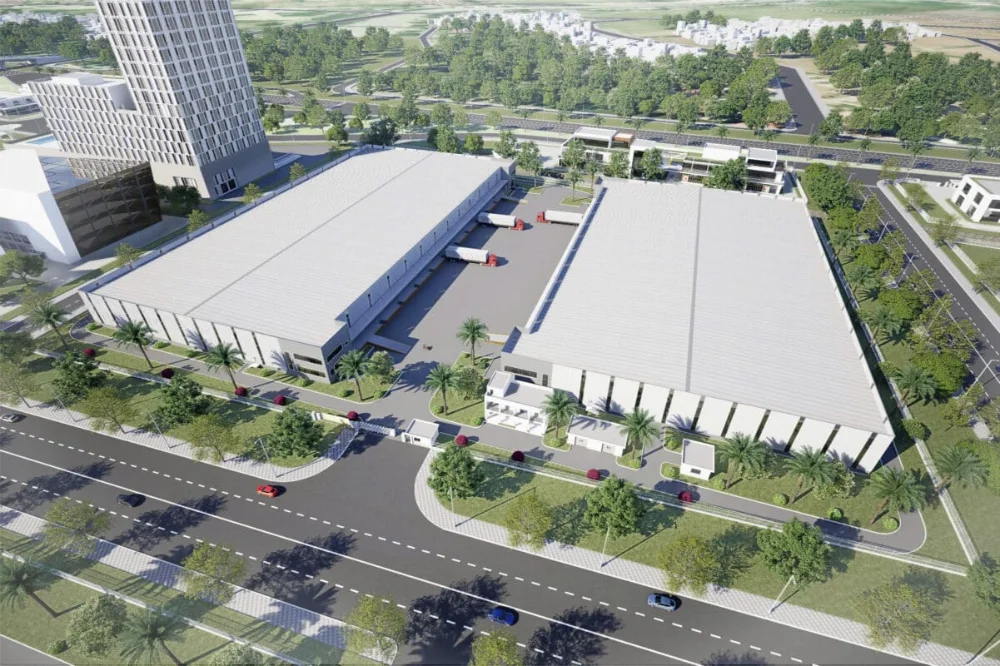
Key features:
– Flexible leasing areas to accommodate various operational scales.
– High clearance and heavy floor load capacity, optimized for storage and logistics activities.
– Integrated infrastructure including bonded warehouses, cold storage, CFS, ICD, and container yard.
– One-stop logistics services covering customs, transportation, and distribution at a single hub.
– 24/7 security and international-standard fire protection.
– Strategic access to key transport nodes including expressways, airports, and seaports.
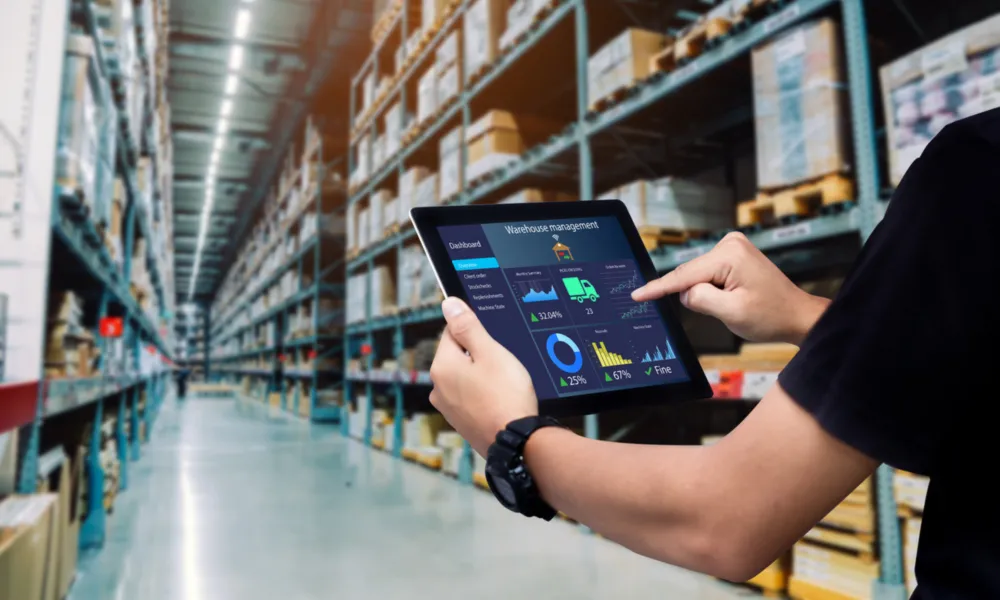
For 2026, there is a heavy emphasis on pioneering green solutions, including the integration of digital technology and AI for warehouse management to reduce emissions and improve efficiency.
The SVP-FW46 project provides a prime location in Binh Xuyen, an economic center linking Ha Noi with the Northeastern region. It offers flexible manufacturing or transit space, combining ready-built and built-to-suit models to support foreign direct investment.
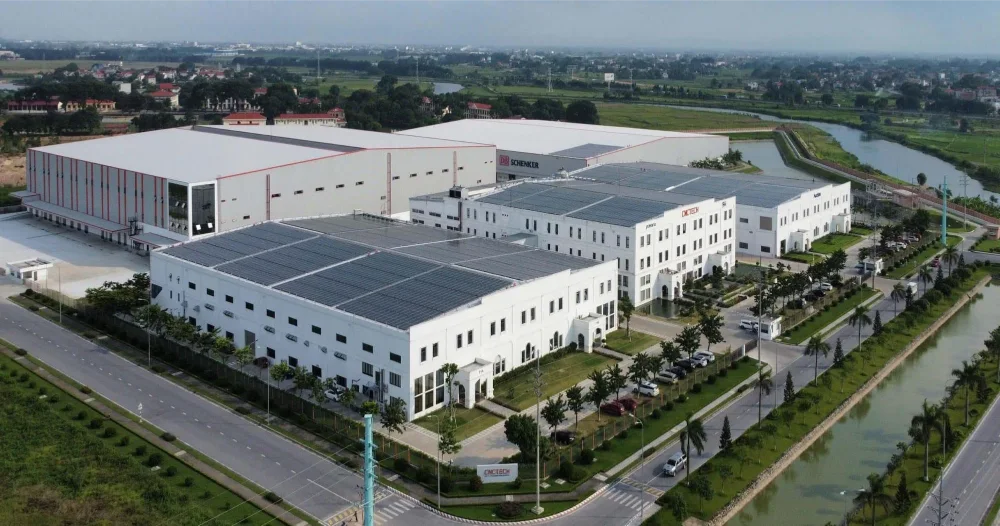
Key features:
– Located in Lien Son Ward/Commune, Phu Tho Province (previously Vinh Phuc province). This area remains a prime location, approximately 25km from Noi Bai International Airport and 50–60km from Hanoi.
– Mixed Ready-Built Factory (RBF) and Build-to-Suit (BTS) models customized for tenant needs.
– Modern, integrated facilities increasingly adopting LEED standards for sustainable, high-tech manufacturing like electronics and semiconductors.
– “One-stop” service model supporting legal procedures through to operational setup, allowing businesses to launch quickly and efficiently.
– Convenient access to expressways, airports, and ports for ideal import/export activities.
With the advantage of being situated in a free trade zone, the SHP-FW65 project offers versatile options for businesses looking to expand manufacturing or storage, featuring a two-storey layout that maximises floor area and optimises logistics operations.
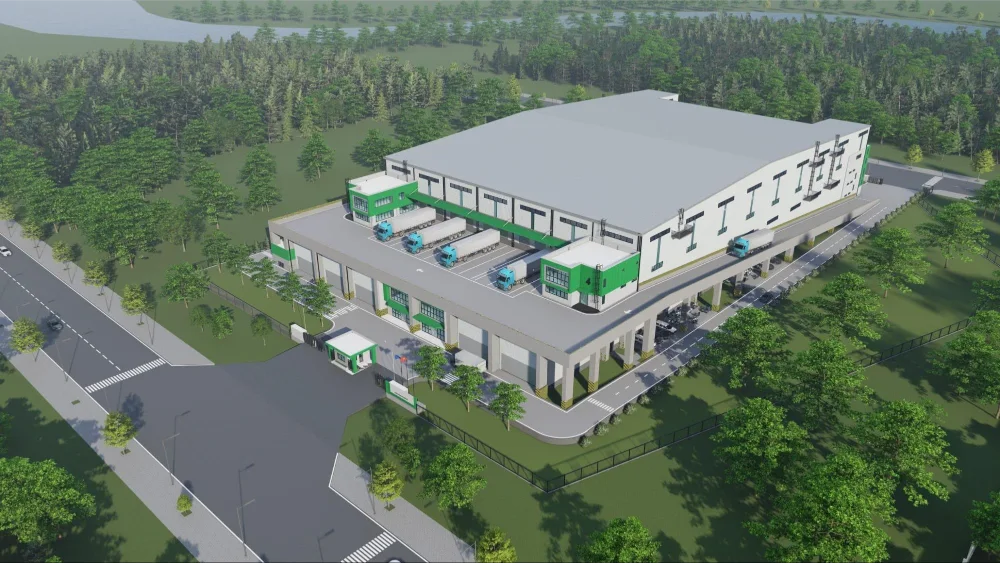
Key features:
– Contemporary two-storey layout optimized for both production and transshipment. Two-Storey Design: This is now standard for premium RBF (Ready-Built Factory) projects in Hai Phong (e.g., KCN Vietnam’s second phase in DEEP C and Core5 Hai Phong) to maximize floor area.
– Developed by reputable international developers (KCN Vietnam, Core5/Indochina Kajima, SEMBCORP) with enhanced facilities meeting LEED Silver standards for ESG compliance.
– Strategic location within the 6,292-hectare Hai Phong Free Trade Zone, offering maximum tax incentives for export-focused firms.
– Fully equipped with comprehensive fire protection, modern dock levellers, and energy-efficient lighting.
– Exceptional connectivity to administrative centres, international airports, and major regional seaports.
The outlook for cross docking in Northern Viet Nam through 2030 is defined by three transformative trends: vertical space optimization, mandatory green building standards, and the mainstream adoption of artificial intelligence in warehouse management.
– Two-storey RBF becomes standard: Land scarcity in prime Northern industrial areas like Bac Ninh and Hai Phong has made multi-storey facilities necessary. Developers are optimizing space by building upwards, and “double-story cargo lifts” are increasingly common. The Northern region expects over 1 million m2 of new RBF space by 2026, designed specifically to handle higher volume capacity in smaller footprints.
– LEED Silver moves from differentiator to baseline: Viet Nam has entered the top 10 countries outside the US for LEED-certified floor area. Green building standards are rapidly becoming the baseline expectation for international tenants. Sustainability is no longer optional; it is a core growth strategy for ESG-compliant supply chains. Developers are now building with LEED or equivalent standards as a default to meet these rigorous international requirements.
– AI-powered warehouse management goes mainstream: While high-end facilities have adopted AI for efficiency, the wider market is shifting from exploration to implementation. AI-driven warehouse optimization is becoming an operational necessity to manage supply chain speed, especially in automation-heavy facilities. With 77% of businesses applying AI, the focus has shifted to bridging skills gaps to fully leverage predictive routing and real-time sorting capabilities.
Strategic site selection for cross docking requires specialized real estate expertise, and Savills empowers your supply chain by combining proprietary data tools with deep market knowledge to find your perfect operational fit.

As Viet Nam’s leading full-service manufacturing and logistics real estate consultancy, Savills Industrial Vietnam delivers a truly personal approach to every project. We know that a thriving environment directly improves overall business performance, and we want to help you achieve that.
We offer bespoke tenant representation that goes far beyond basic listings. Our team develops systematic transaction strategies to help manufacturing and logistics tenants find the exact cross docking specifications they need.
By understanding your unique operational workflows, we help you avoid expensive operational pitfalls and secure spaces that actively streamline your processes.
Our data-driven site selection provides a unique competitive advantage. We utilize Power BI location analysis and our proprietary Industrial Property Scorecard. These sophisticated tools assess crucial variables, such as ground conditions, utility infrastructure, and precise expressway proximity, ensuring you make fully-informed decisions based on reliable market intelligence rather than guesswork.

Furthermore, we provide comprehensive end-to-end support. Led by sector experts like John Campbell, our dynamic team covers everything from market entry strategy and legal procedures (IRC/ERC/LURC) to final fit-out with M&E installation. We act as your partner, guiding you through every step of the industrial leasing process.
If your business is looking to implement or upgrade cross-docking facilities in 2026, contact John Campbell, Director, Industrial Services at Savills Vietnam, on +84 986 718 337, or reach the Savills Industrial team for a confidential consultation. With 99,164 m² leased, 40+ developer contracts, and $28 million in transaction values since 1995, we’ll help you source your best-fit industrial property in Viet Nam.
Navigating the complexities of cross docking naturally raises several questions for businesses looking to upgrade their Northern Viet Nam supply chains.
Cross docking is a logistics practice where incoming materials are directly transferred from receiving docks to outbound shipping docks without intermediate storage. This streamlined approach dramatically reduces handling time and accelerates product flow throughout the supply chain.
The primary advantages include significantly reduced storage costs, faster delivery times, and minimized inventory holding risks. Businesses also experience improved cash flow from reduced capital lock-up and enhanced supply chain visibility through real-time tracking systems.
Industries with time-sensitive products gain the most value, particularly perishable goods sectors like food and pharmaceuticals. High-tech electronics with rapid product cycles and automotive components requiring just-in-time delivery also thrive using this model.
Effective facilities need strategic locations near transportation hubs and specialized layouts like I or H-shaped designs. They also require sufficient dock doors for simultaneous operations, high ceiling clearance, open floor plans, and advanced warehouse management systems for real-time coordination.
Prime locations include Bac Ninh’s Yen Phong Industrial Park, Bac Giang’s Song Khe area, Phu Tho’s Binh Xuyen economic zone, and Hai Phong’s Dinh Vu-Cat Hai Economic Zone. These areas offer excellent expressway connectivity and proximity to Noi Bai Airport and major seaports.
The recent mergers have streamlined administrative procedures for industrial properties in affected provinces, potentially reducing processing times for investment certificates. However, businesses should consult with Savills to navigate the evolving regulatory landscape and ensure full compliance with updated local requirements.
Technology serves as the backbone of effective operations, with warehouse management systems (WMS) and electronic data interchange (EDI) enabling real-time visibility and precise coordination. Increasingly, AI-driven optimization tools are being integrated to predict demand patterns and automate routing for even greater efficiency.