25 March 2026


Vietnam is rapidly becoming a primary global manufacturing hub in 2026, driven by the transformative new Land Law. Securing the right factory for rent Vietnam offers investors unparalleled access to this booming, cost-effective market.
If you’re thinking about renting a factory in Vietnam, check out our following article on why factory rent in Vietnam is gaining the market’s attention.
The factory rental market is evolving rapidly due to the rise of next-generation ready-built factories, mandatory ESG compliance, and an expansion into Tier-2 provinces as primary hubs reach maximum capacity.
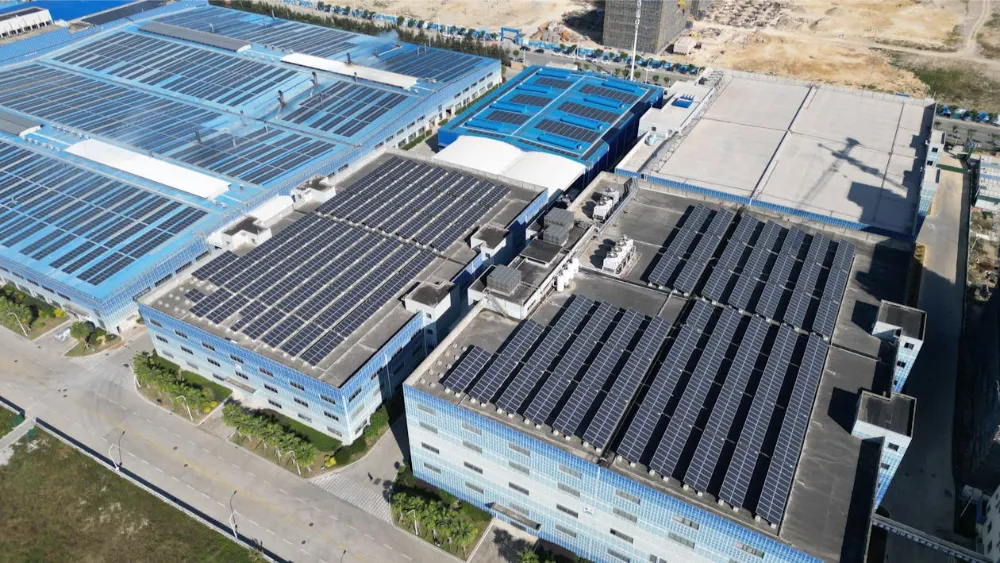
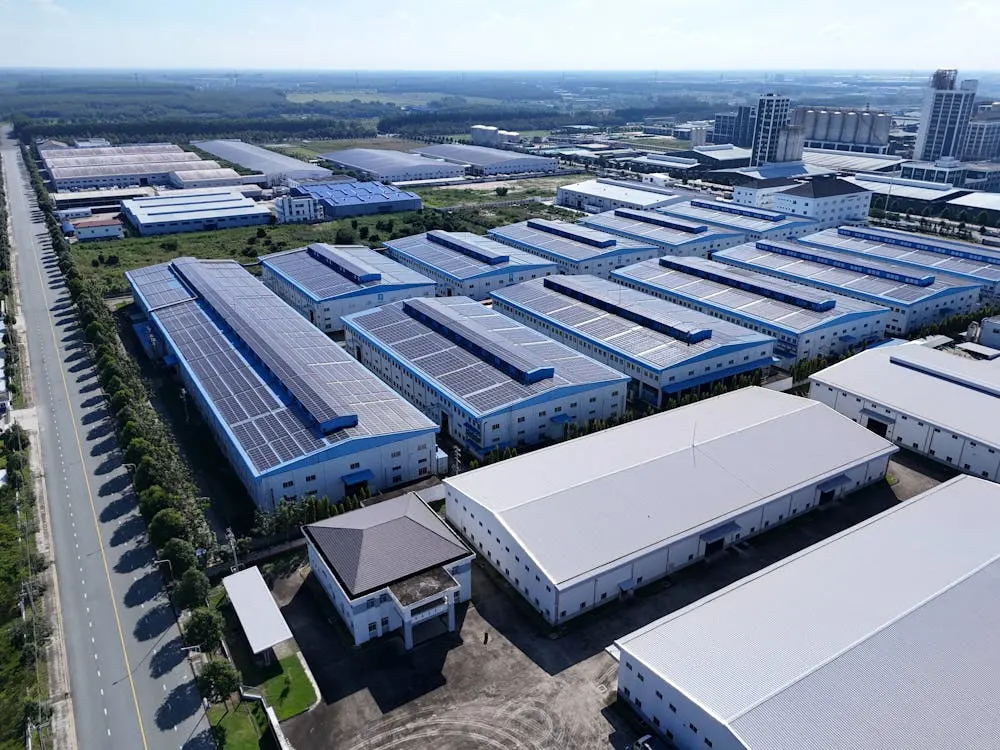
The landscape is shifting beautifully. We are seeing a massive surge in demand for “next-gen” ready-built factories (RBFs) that offer modern amenities, energy efficiency, and scalable solutions tailored for advanced manufacturing.
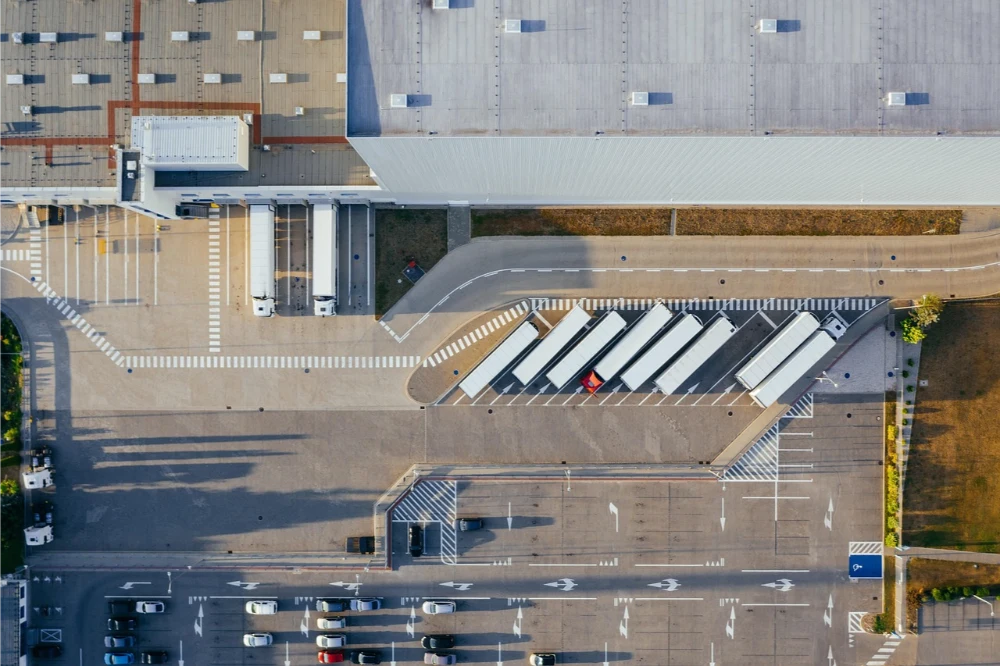
Furthermore, Environmental, Social, and Governance (ESG) standards are no longer optional; they are a mandatory requirement for securing international funding and meeting strict global supply chain mandates.
Finally, as Tier-1 cities reach full capacity, we are proudly guiding more clients toward emerging Tier-2 provinces, unlocking competitive pricing and abundant space for future growth.
Choosing the right region for a factory for rent Vietnam depends on your industry focus, with the South excelling in diverse manufacturing and the North leading in high-tech electronics, while green industrial parks become crucial for EU compliance. Understanding regional nuances is essential for making a sound investment.
We break down the unique strengths and pricing of Vietnam’s top industrial corridors to help you find your perfect fit.
| Industrial Province | Key Characteristics & Advantages | Price Range (per m²/month) | Best Suited For |
| Ho Chi Minh City (HCMC) | High demand, limited supply, excellent connectivity, and the highest rental tier in the country. | $5.00 – $10.00+ | Commercial and light industries requiring close city proximity. |
| Binh Duong | Rapidly developing with 31+ industrial zones, offering abundant supply and competitive pricing compared to HCMC. | $4.50 – $7.00 | Heavy manufacturing, logistics, and large-scale supply chains. |
| Hanoi & Bac Ninh | Strong support industries, a dedicated high-tech focus, and rising rents driven by high occupancy rates (>80% in the North). | $4.80 – $6.80 | High-tech electronics, semiconductor, and export-oriented manufacturing. |
| Hai Phong | A key northern FDI gateway featuring significant investment in eco-friendly industrial parks (like DEEP C) and strong port accessibility. | $4.00 – $6.00 | FDI seeking EU CBAM-compliant green spaces and efficient port logistics. |
As you can see, each region brings its own vibrant energy and specific advantages to the table. For a deeper dive into the southern hub’s premium offerings, explore our dedicated article on factory for rent Ho Chi Minh.
Renting the right factory rent in Vietnam to serve production and business activities is a vital need of today’s businesses. However, renting a suitable factory plays an even more important role because it brings several great benefits to the operation and development. The following are some of the advantages of renting the right factory in Vietnam.
Vietnam’s location appeal stems from its skilled human resources, extensive free trade agreements, and massive infrastructure investments driving complex industrial real estate developments.
Vietnam is incredibly desirable because of its varied FTAs and government pledges to infrastructure growth. In the North, investors are actively developing complex industrial-urban-service models, such as IDICO’s $500 million Vinh Quang project in Hai Phong.
Meanwhile, the South remains a resilient, traditional hub where any temporary order shifts during past global disruptions never deterred long-term FDI commitments.
The 2026 Land Law dramatically simplifies foreign investment by streamlining enterprise registration, expanding tax incentives, and clarifying land use rights for international tenants.
Savills 2026 Regulatory Update: The new Land Law has removed the “Project Certificate first” bottleneck. Investors can now establish their Enterprise Registration Certificate (ERC) earlier, cutting the typical market entry timeline by 20–30%.
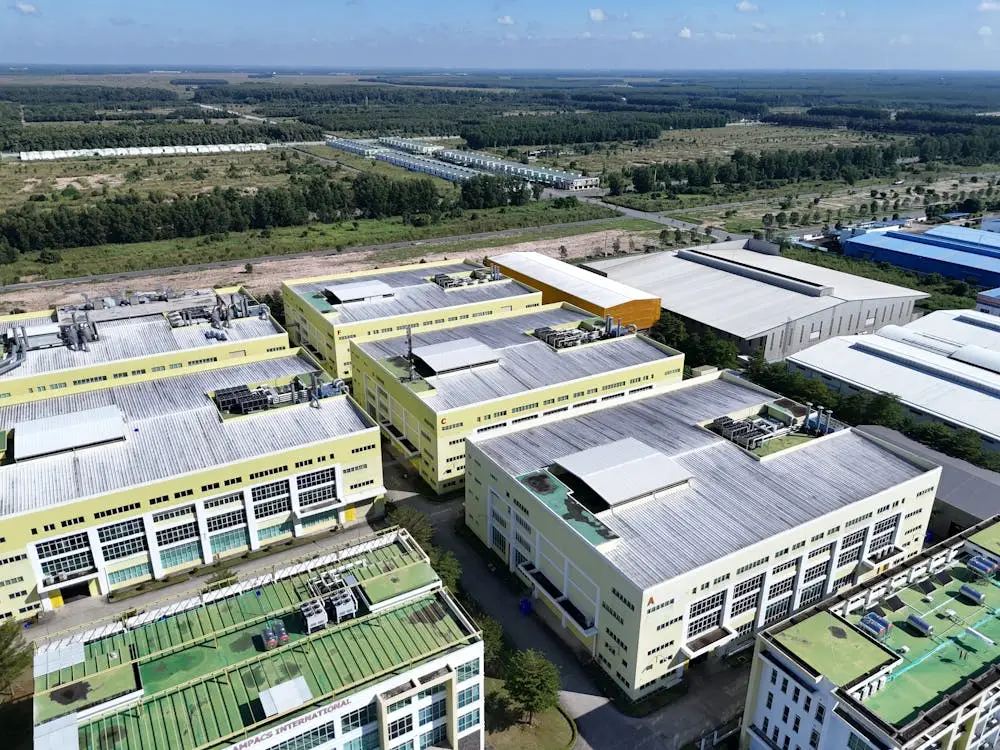
Furthermore, foreigners can confidently sublease land and buy or transfer Land Use Rights attached to factories, with simplified procedures for up to 20% capital adjustments. We always recommend partnering with a dedicated legal team to navigate these empowering changes.
Investors gain immediate global market access through Vietnam’s extensive network of 16+ active free trade agreements, including the EVFTA, CPTPP, and RCEP.
Having a physical footprint here means plugging directly into duty-free access across major global markets. This vast trade network allows you to bypass heavy tariffs and ship your goods faster, making your manufacturing operations incredibly competitive on a global scale.
The cost of renting a factory in Vietnam is often the first consideration for clients looking to rent a factory. The cost of renting a factory is influenced by several factors, including geography, the state of the factory, its investment possibilities, and the surrounding environment.
According to the latest report on the southern industrial real estate market in the first quarter of 2026, the total area of the average price peaked in the industrial rental segment, reaching $145/m2/lease cycle.
Hanoi and Ho Chi Minh City are two of the major cities in the world with the most affordable industrial real estate. The rental rate in Hanoi exceeds $5.00 per square foot. Rent in HCMC is less than $10.00 per square foot (approx. 0.092 m²).
Learn more about different factory specifications in our Complete Guide to Industrial Factories in Vietnam: Types, Costs, Zones and How to Lease.
In 2026’s volatile global economy, many MNCs prefer Factory for Rent because it keeps their balance sheet “light” (OPEX) rather than sinking millions into a 50-year land lease (CAPEX).
Successfully securing a factory requires following a streamlined four-step process: conducting rigorous due diligence, setting up legal FDI entities, negotiating favorable terms, and maintaining post-signing compliance.
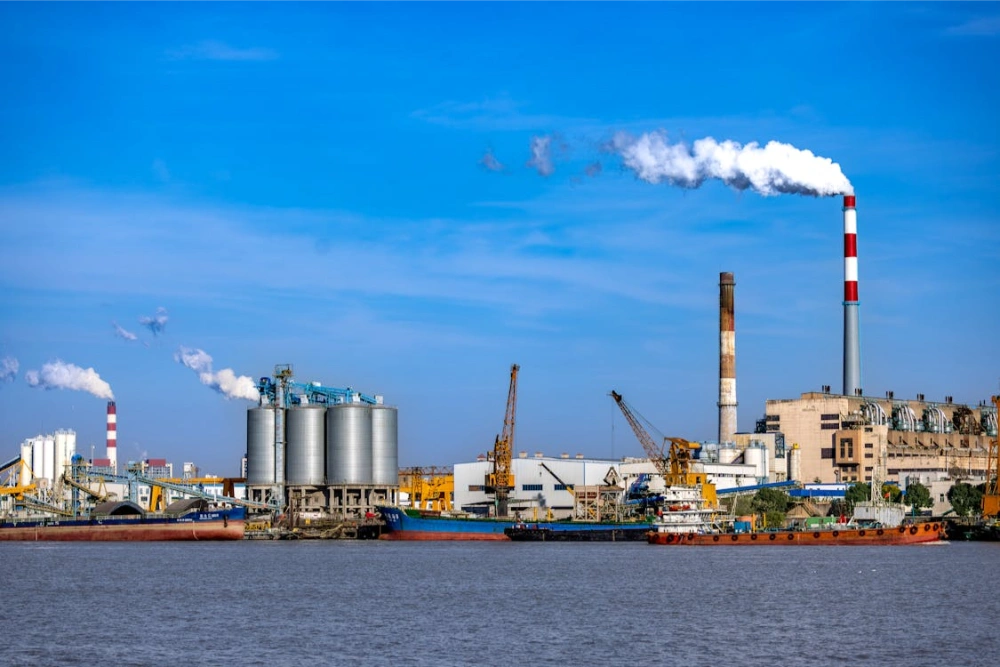
We believe that a structured approach takes the stress out of expanding your operations, ensuring you secure the ideal space without costly missteps.
Our staff of Savills Industrial specialists and the surrounding area enable us to constantly monitor and follow activities in local, regional, and national markets. Hopefully, the information provided above will be beneficial and assist readers in better comprehending the topic of factory rent in Vietnam.
If you are looking to rent a factory for manufacturing or business purposes, contact Mr. John Campbell at Savills Industrial for a suitable factory for rent Vietnam.
We frequently receive questions from clients exploring a factory for rent Vietnam, so we have compiled answers to the most common inquiries to help guide your decisions.
The process typically takes between 60 to 90 days from initial site selection to final contract signing. This timeline depends heavily on how quickly you can secure your Investment Registration Certificate and complete due diligence.
Yes, under the updated 2026 Land Law, foreign entities are explicitly permitted to sublease land and attached factory assets within Industrial Zones. You must still ensure your sublease agreements comply with local regulatory frameworks.
Landlords typically require a security deposit equivalent to three to six months of gross rent. This deposit is usually held throughout the lease term and refunded upon expiration, minus any deductions for damages.
Most manufacturing operations will require an environmental impact assessment or at least an environmental registration certificate before beginning production. We always advise securing this clearance during the legal setup phase to avoid operational delays.
Ready-built factories are ideal for companies needing immediate operational capacity within a few months. Build-to-suit is better for highly specialized manufacturing requiring custom layouts, though it requires a longer development timeline.