


An industrial warehouse in Viet Nam is purpose-built storage and distribution space designed for bulk goods handling. Occupiers are typically logistics providers, retailers and manufacturers needing storage, cross-docking or last-mile distribution capacity.
Leasable areas generally range from 1,000 sq m to over 20,000 sq m. Supply concentrates mainly around Ha Noi, HCMC and the surrounding southern provinces.
National warehouse supply has expanded steadily. Rents differ by building grade and proximity to ports and expressways, with newer Grade A stock priced above older facilities. In H1 2025, Grade A warehouse rents averaged about USD 5.5 per sq m per month in Ha Noi and USD 5.3 per sq m per month in HCMC (Savills, 08/2025). Demand is driven largely by e-commerce growth and supply chain diversification into Viet Nam.
Occupiers weighing a warehouse against industrial land in Viet Nam need to decide whether immediate storage capacity or long-term land control is the priority.
Savills provides leasing, valuation and market advisory services for industrial warehouses in Viet Nam. Our industrial property services team can help assess site fit.
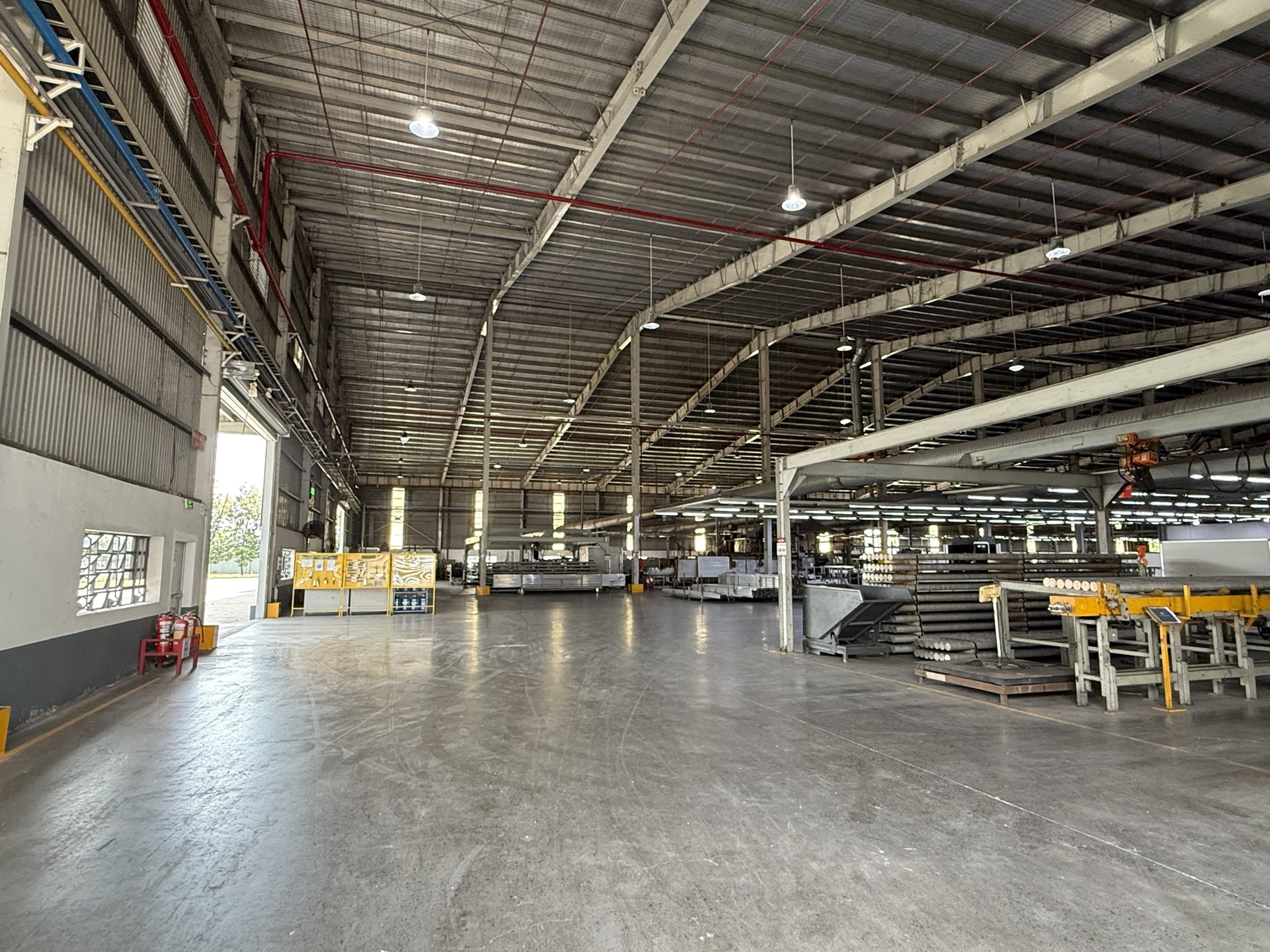
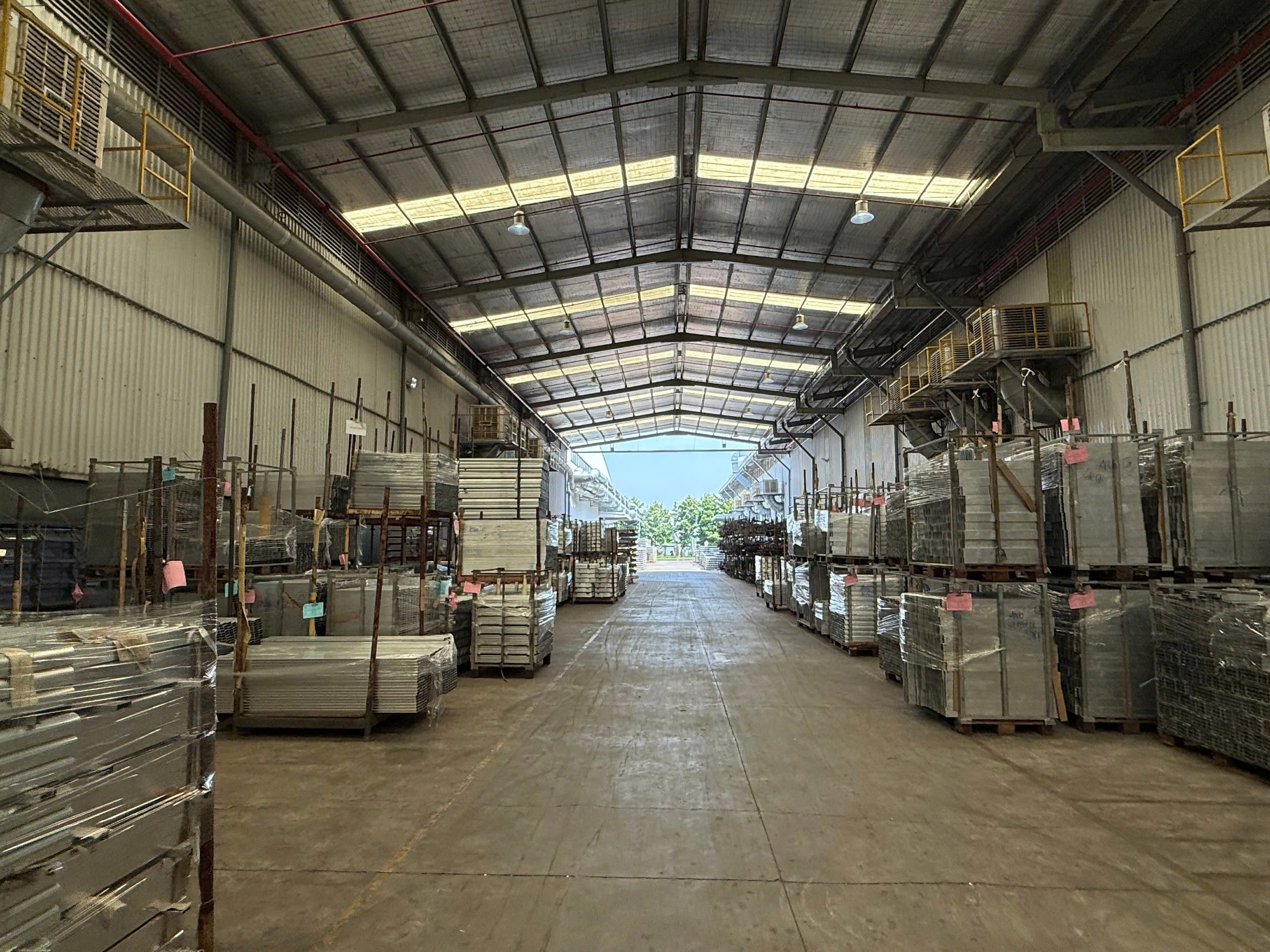
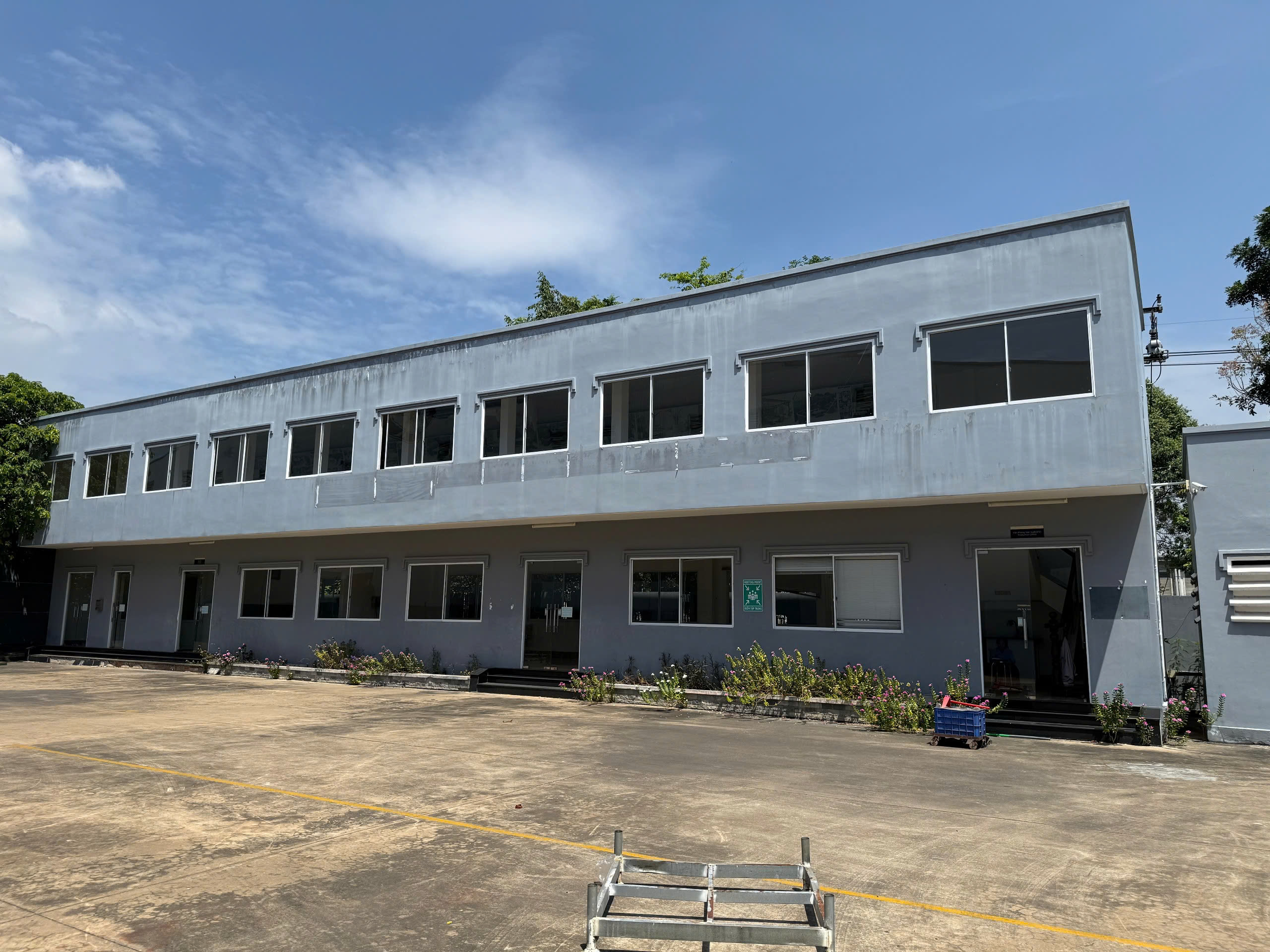
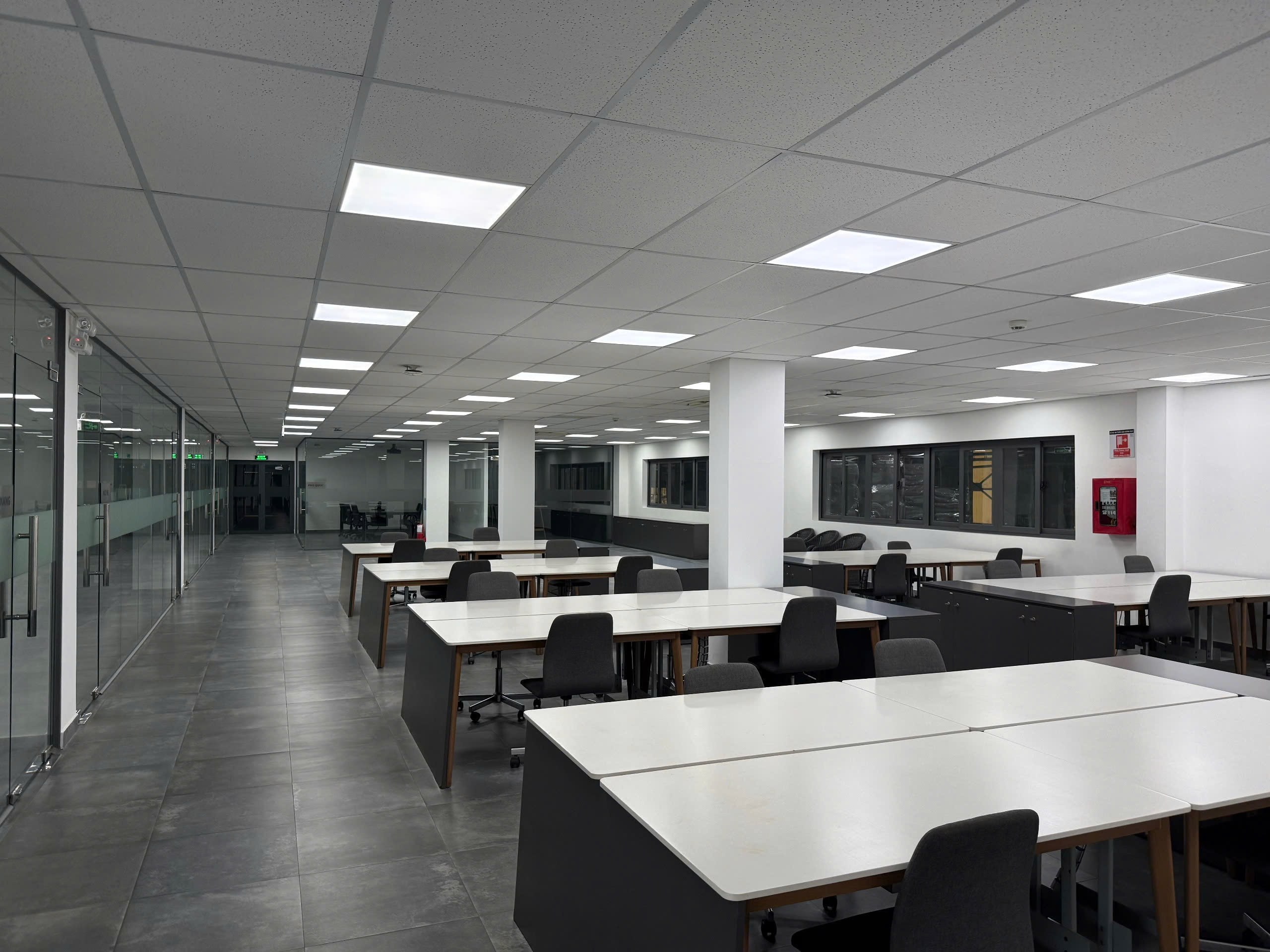
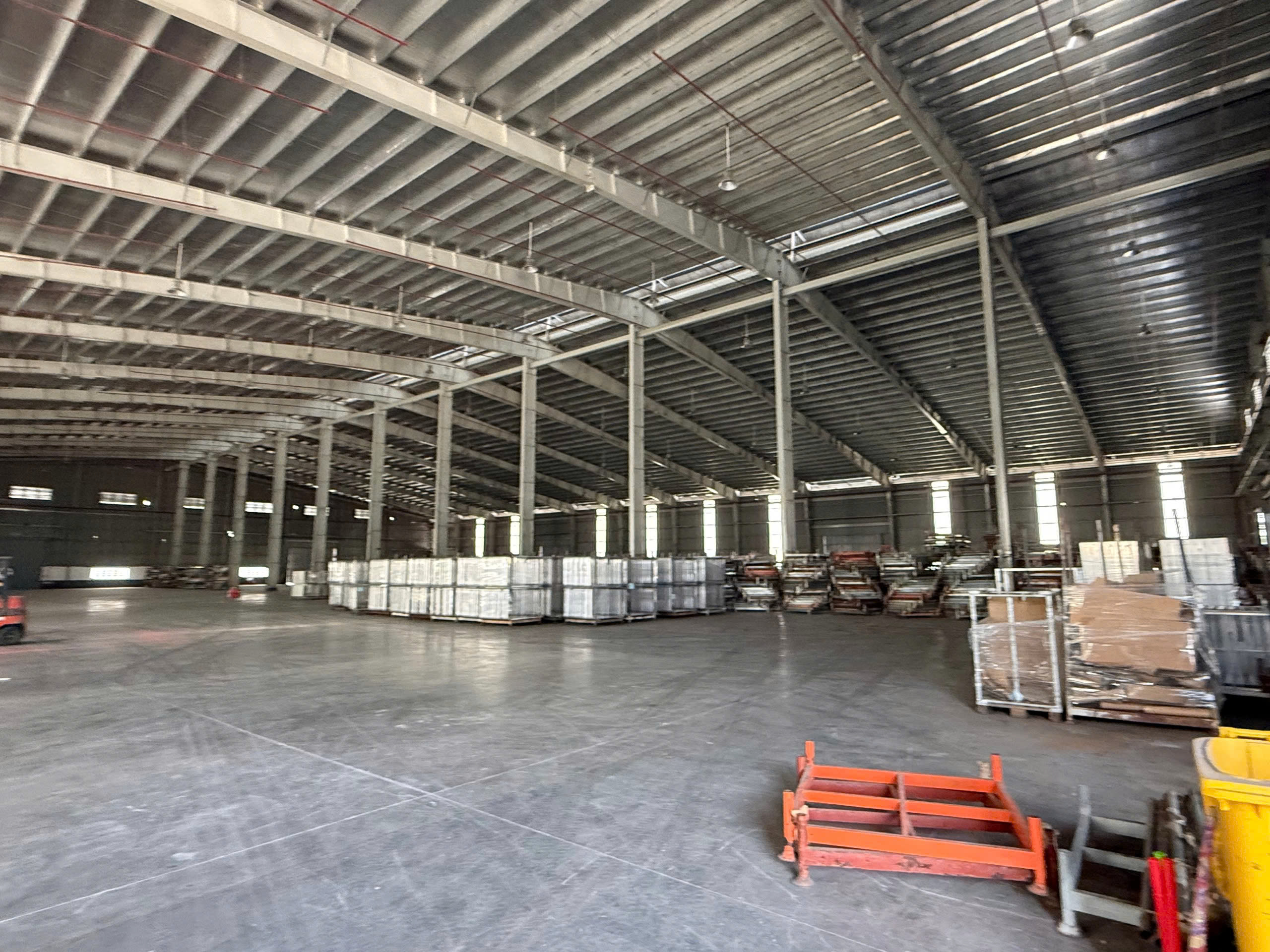
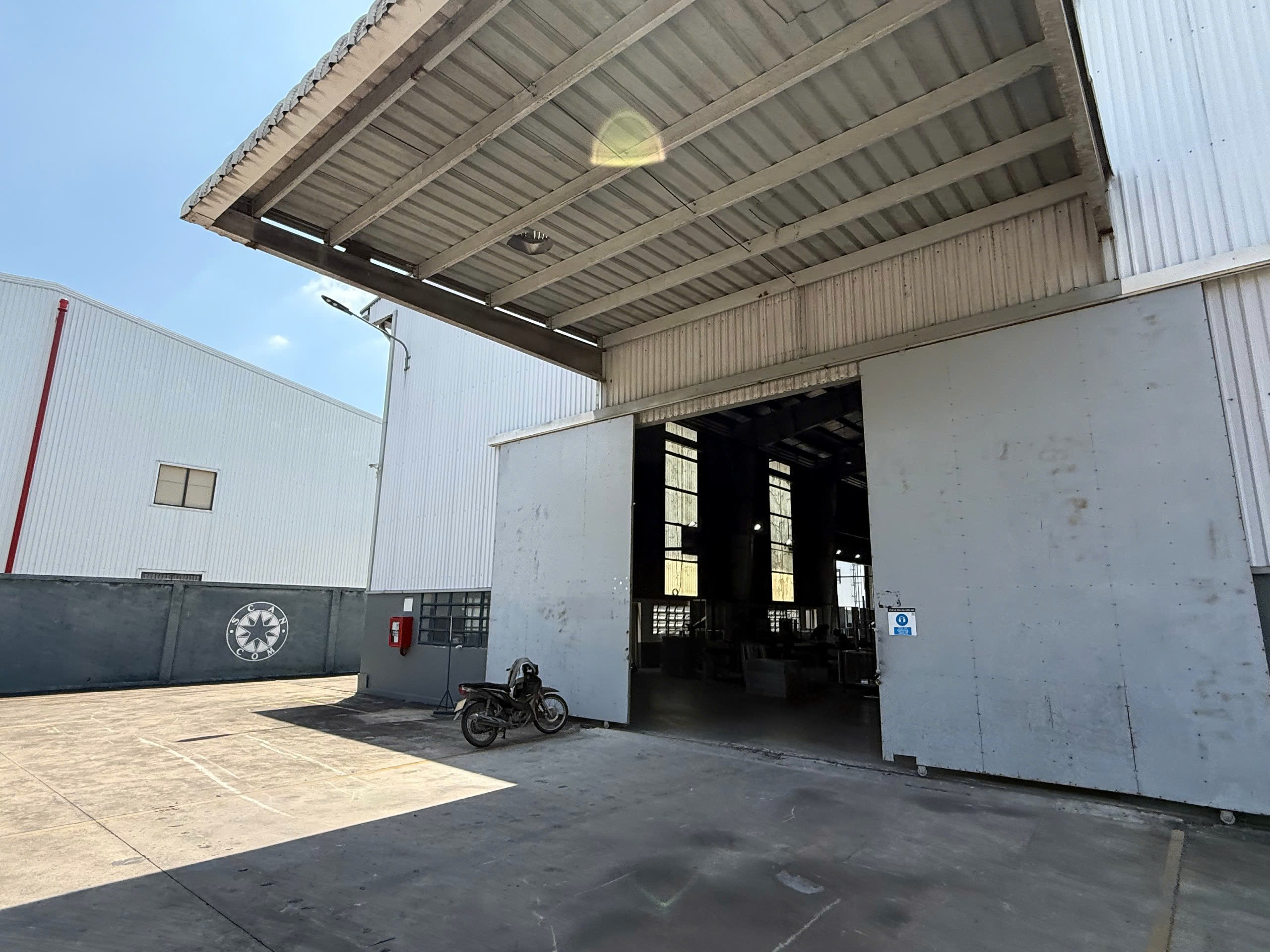
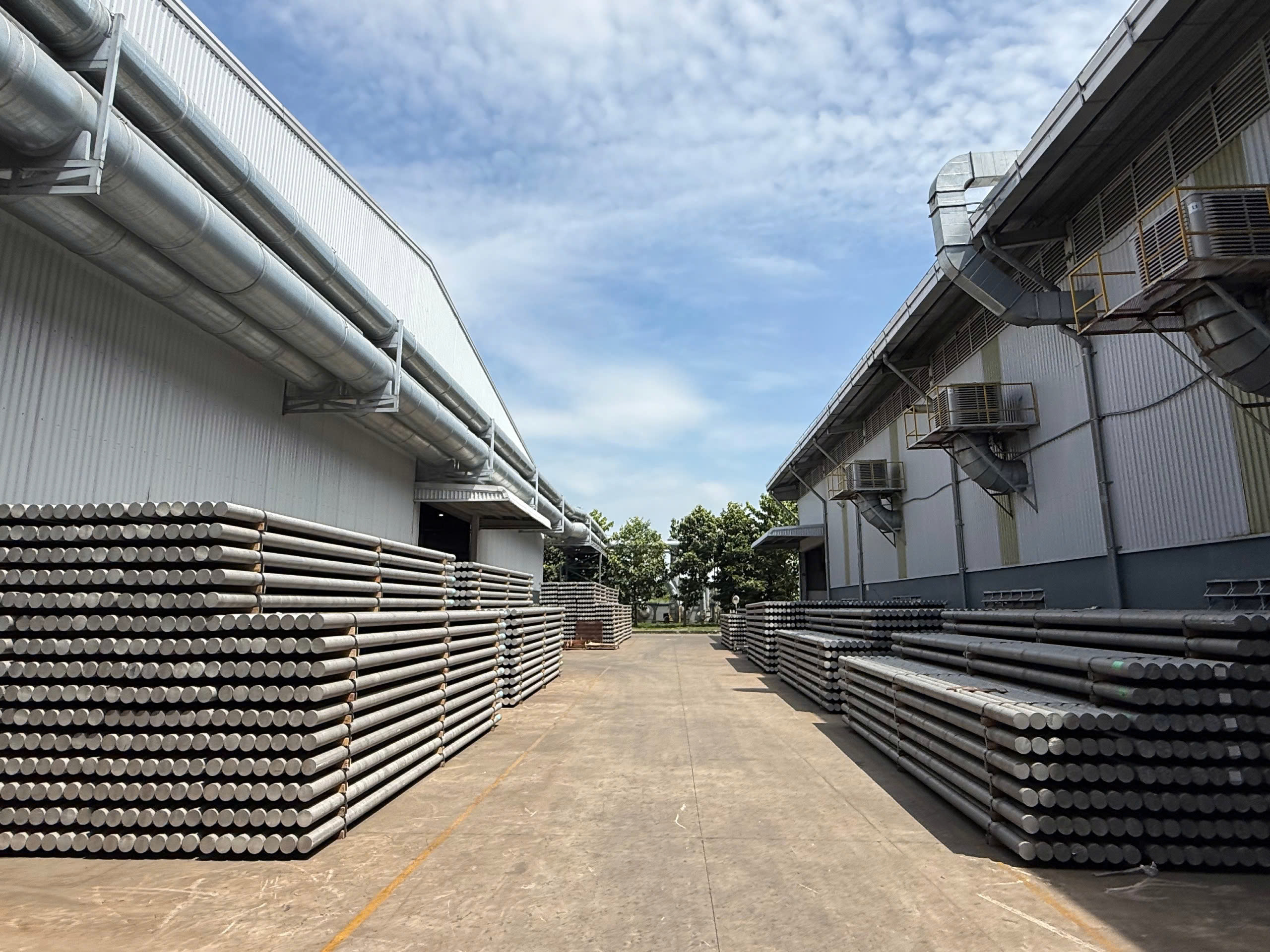
Long Giang IP, Tien Giang
Total area:120000 m²

Vacant area:120000 m²


Thuan Thanh, Bac Ninh
Total area:15,639 m²
Vacant area:NA


Phuc Yen, Phu Tho
Total area:111.3 ha
Vacant area:8.2 ha


Yen Phong, Bac Ninh
Total area:40,000 m²
Vacant area:24,733 m²


Viet Hoa, Hai Phong
Total area:89200 m²
Vacant area:62613.5 m²


Yen Phong, Bac Ninh
Total area:120,000 m²
Vacant area:70,000 m²
These variables decide whether a warehouse fits:
- Clear height (usually 9 to 12 metres for modern facilities)
- Floor loading capacity
- Number and type of loading docks
- Fire safety systems and certification level
- Column spacing, which determines racking layout efficiency
Warehouse supply concentrates in a few key clusters:
- Ha Noi and satellite provinces such as Bac Ninh and Hung Yen
- HCMC, including the former Binh Duong and Ba Ria-Vung Tau areas, merged into the city on 01/07/2025
- Emerging clusters in Tay Ninh, which absorbed the former Long An province in the same 2025 merger, and Dong Nai, which absorbed the former Binh Phuoc province
- The central region, around Da Nang and the Chu Lai-Dung Quat corridor, has thinner modern warehouse supply but noticeably lower rents, suiting occupiers serving the regional market rather than distributing nationally
Rents vary more by building grade and proximity to ports and expressways than by region. Grade A stock near the major cities commands the highest rates in both the north and the south, while older facilities and emerging provinces sit below. Read our latest Viet Nam industrial market research for current supply and rental data.
Occupier sectors leasing warehouse space include:
- E-commerce and third-party logistics providers
- Retail and consumer goods distributors
- Light manufacturers needing finished goods storage
Over the past 12 to 24 months, demand has shifted towards facilities near urban centres to support faster delivery times.
Warehouse space suits occupiers focused on storage, distribution or fulfilment. It is not the right fit for heavy manufacturing needing higher power capacity or specialised fit-out works. In those cases, factory space in Viet Nam is more suitable.
Occupiers needing long-term land control for custom builds should also consider industrial land in Viet Nam.
Supply near the major cities remains tight, while older stock still falls well short of modern technical standards. Occupiers seeking modern facilities near major cities should allow a longer search period and begin site assessment well ahead of their target operational date.
For a detailed comparison across property types, see our logistics land in Viet Nam options.
For advice on site selection, specification benchmarking, valuation and lease negotiation for warehouse space across Viet Nam, the Savills Industrial team can advise based on your sector, throughput volumes and specific operational requirements.
Contact Mr John Campbell, Director, Industrial Services at Savills Vietnam, on +84 986 718 337.
An industrial warehouse in Viet Nam is purpose-built space for storing and distributing goods. Units typically range from 1,000 to over 20,000 sq m, with occupiers mainly logistics firms, retailers and manufacturers needing storage or distribution capacity.
Rents vary by building grade, specification and proximity to ports and expressways rather than by region. In H1 2025, Grade A warehouse rents averaged about USD 5.5 per sq m per month in Ha Noi and USD 5.3 in HCMC (Savills, August 2025). Effective rents typically land 8 to 12% below asking once incentives are factored in.
Main clusters sit around Ha Noi, Bac Ninh, HCMC (including the former Binh Duong and Ba Ria-Vung Tau areas) and Hung Yen, with emerging supply in Tay Ninh (formerly Long An) and Dong Nai due to expanding road networks and land availability.
Building leases typically run 3 to 10 years with renewal options. These sit within the park’s underlying land use right term, which under Article 172 of the Land Law 2024 runs up to 50 years as standard, and up to 70 years for projects with large capital investment but slow capital recovery. Renewal terms, deposit levels and rent escalation clauses vary by landlord and should be reviewed carefully before signing.
E-commerce, logistics and retail distribution sectors are the primary users. Heavy manufacturers with specialised technical requirements typically choose factory space rather than warehousing.
A warehouse is primarily for storage, holding goods between delivery and dispatch. A logistics facility is built for throughput, with more dock doors, deeper yards and layouts designed for cross-docking and rapid turnover rather than long dwell times. Occupiers moving high volumes with short storage times usually need the second, even when both are marketed as warehouse space.
Yes, though supply is limited relative to demand and concentrated near the major cities and ports. Cold storage costs substantially more to lease than ambient space, reflecting insulation, refrigeration plant and power redundancy. Occupiers in food, pharmaceutical and fresh e-commerce segments should expect longer lead times and fewer available options than for ambient space.
E-commerce fulfilment prioritises dock provision, floor flatness and clear height for racking density, alongside drive time to the urban delivery area. Power capacity matters for automation. Proximity to the consumer base usually outweighs rent savings, which is why fulfilment occupiers concentrate close to Ha Noi and HCMC rather than in cheaper outlying provinces.