07 April 2026


Amid global supply chain disruption, increasing costs and labour shortages, warehouse and logistics operators are accelerating the adoption of automation, artificial intelligence and third-party logistics services. In Viet Nam, improving economic fundamentals, expanding infrastructure and sustained foreign investment are supporting a shift toward more advanced industrial activity and increasingly sophisticated supply chains.
Warehouse occupiers are navigating a complex operating environment shaped by geopolitical tensions, shifting trade policies and climate-related disruption. At the same time, inflationary pressures and slowing economic growth are forcing companies to improve efficiency while managing rising costs.
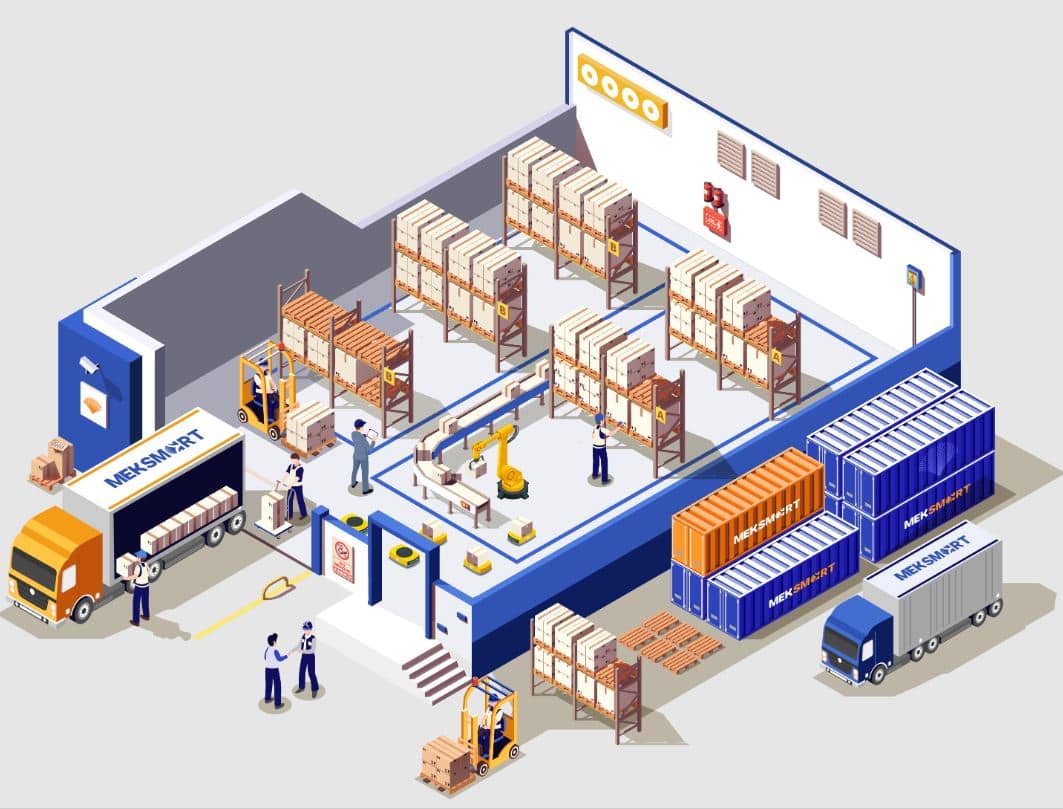
Warehousing sits at the centre of this challenge. Businesses are facing labour shortages, increasing wage levels and growing pressure to build more resilient supply chains. In response, many are turning to third-party logistics providers to improve flexibility, manage operational complexity and optimise costs.
At the same time, these pressures are accelerating the adoption of automation and artificial intelligence (AI) in warehouse operations. Solutions such as robotics, automated storage systems, and AI driven inventory management are reducing reliance on manual labour while improving accuracy and increasing operational efficiency.
Labour availability remains a key constraint across major markets. Recently, it has become more difficult and more expensive to recruit warehouse workers, while high turnover rates continue to disrupt operations. These challenges are reinforcing the role of automation as a long-term solution to maintain efficiency and resilience in supply chains.
Entering 2026 with stronger economic fundamentals and a more diversified industrial base, the country is shifting from cost-driven manufacturing toward greater scale, technology adoption and value-added production, a transition that is becoming increasingly visible across major sectors.
In the past year, manufacturing activity remained expansive, with industrial production growth approaching double-digit levels. At the same time, FDI has stayed resilient despite ongoing global volatility.
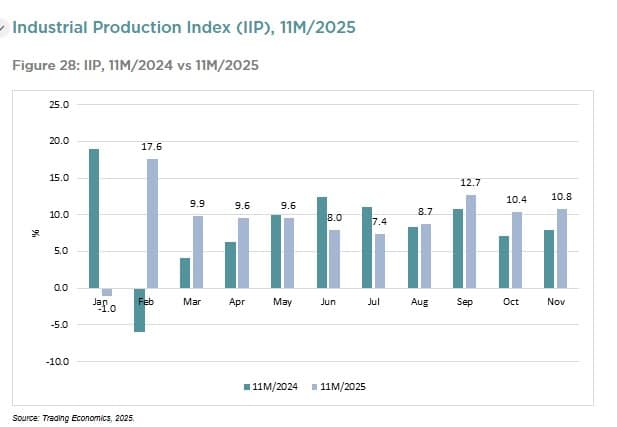
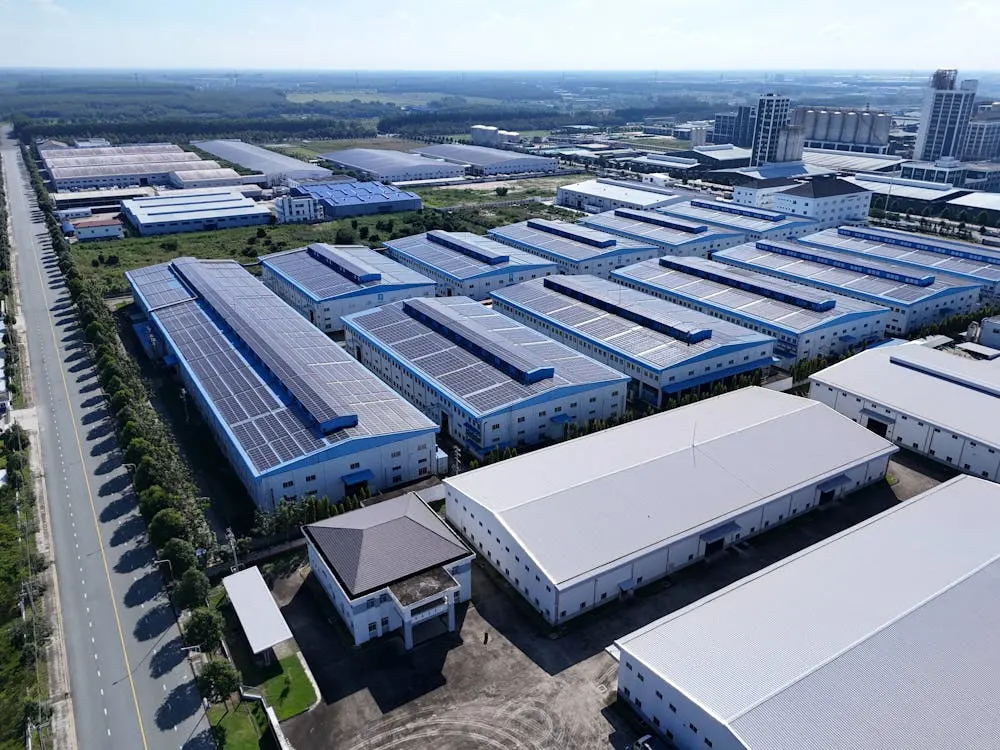
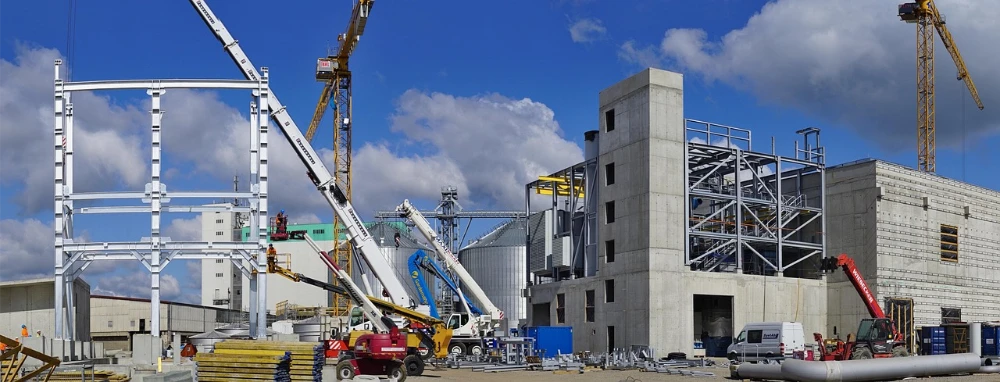
These developments point to a maturing industrial ecosystem, supported by deeper supply chains, improving infrastructure, and clearer regulatory frameworks. As production becomes more sophisticated, demand is growing for advanced industrial facilities, distribution networks, and supply chain capabilities to support this next phase of growth.
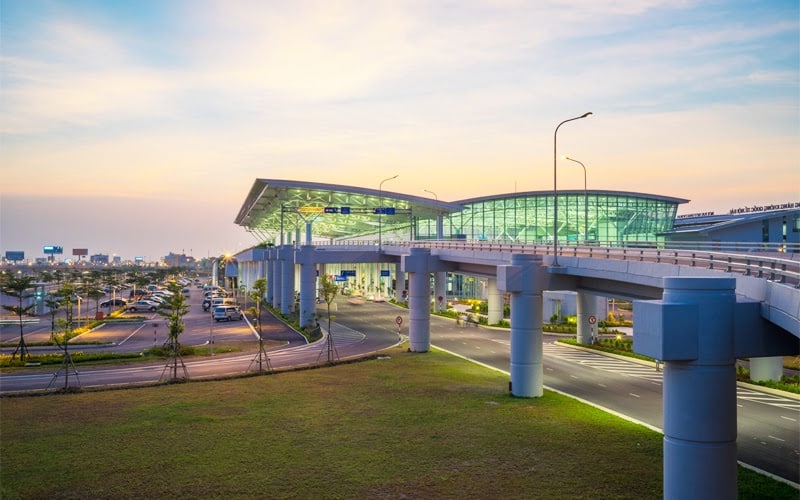
Infrastructure development continues to play a central role in Viet Nam’s industrial transformation. In the North, industrial activity in sectors such as electronics, semiconductors, and higher value manufacturing is being supported by ongoing investment in ports, expressways, and logistics networks.
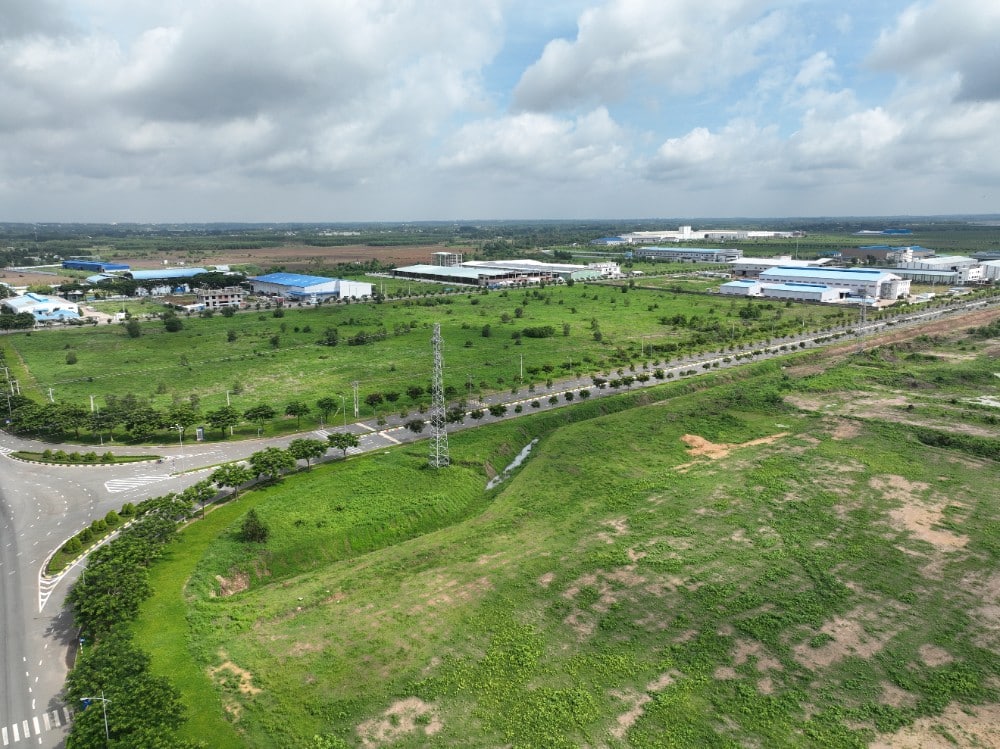
In the South, major infrastructure projects are expected to reshape freight movement and support the emergence of new development corridors. The completion of key transport links will strengthen regional connectivity and enable more efficient movement of goods across markets.
Alongside physical infrastructure, investment in digital infrastructure is also accelerating. Data centres, artificial intelligence systems, and improved connectivity are becoming integral to modern industrial operations, supporting more advanced production processes and more efficient supply chain management.

John Campbell, Director of Industrial Services at Savills Vietnam
According to John Campbell, Director of Industrial Services at Savills Vietnam, the outlook for 2026 points to continued momentum. Ongoing infrastructure delivery is expected to unlock new industrial clusters, while supportive policies targeting high value sectors are set to attract more advanced investment. At the same time, Viet Nam’s digital capacity is expanding, with data centre development moving towards large-scale deployment.
Together, these factors are strengthening Viet Nam’s competitive position within the region as the country continues its shift towards more advanced manufacturing and increasingly technology enabled supply chains.
At the core of this transition is a move towards scale and sophistication, driven by the alignment of infrastructure, technology, workforce development, and policy. Future growth is expected to be led by higher value industries that rely on reliable energy supply, modern industrial and distribution networks, and integrated digital infrastructure.
For both investors and occupiers, this signals the emergence of a more competitive and mature industrial environment, where efficiency, resilience, and technological capability will be critical to long-term success.
This industrial expansion is also expected to drive demand beyond logistics and manufacturing, particularly in residential sectors, as workforce growth and foreign investment continue to reshape urban development patterns.