11 May 2026


Vietnam major resources encompass a diverse wealth of minerals, agriculture, energy, and water that directly fuel the country’s booming industrial sectors.
This rapid economic rise is built on these natural assets, forming the backbone of the nation’s thriving manufacturing landscape.
John Campbell, Director, Industrial Services, Savills Vietnam: “Vietnam is entering 2026 with the strongest industrial momentum we’ve seen. With high-value FDI, accelerated infrastructure connectivity, and digital platforms, the market is moving from a growth phase into a larger-scale, higher-standard operational phase.”
(Source: Savills Vietnam industrial market briefing, December 2025)
When exploring “what are the natural resources in Vietnam”, you will find a strategic mix of rich mineral deposits, expansive agricultural lands, vital energy reserves, and extensive water networks. This abundant foundation empowers the nation to support diverse industries, from heavy manufacturing to high-tech electronics.
By understanding these distinct categories, investors can better grasp how Vietnam natural resources create unparalleled opportunities for growth in industrial real estate.
The extraction of Vietnam’s minerals is essential for heavy manufacturing because vast coal and iron ore reserves directly feed the nation’s steel production and early power generation needs.
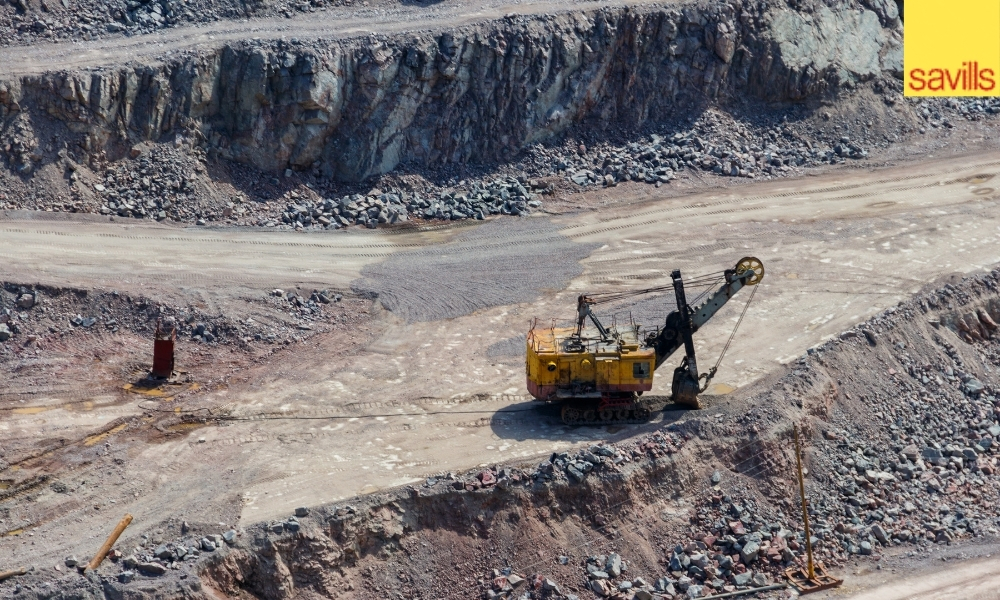
Quang Ninh remains the absolute cornerstone of Vietnam resources for coal mining, with production in Q1 2026 surpassing expectations (according to the VNA – Vietnam News Agency).
While historically powering early industrialization, the region is adapting to sustainability standards, though it continues serving as a major hub for coal-fired power.
Simultaneously, iron ore supports Vietnam’s growing heavy manufacturing and infrastructure sectors. The industry is cleverly diversifying beyond basic construction to specialized steel for high-speed rail, automotive, and energy infrastructure, aiming for greater self-reliance by 2030.
According to the USGS Mineral Commodity Summaries 2025, Vietnam holds approximately 3.5 million metric tons of rare earth reserves, ranking among the world’s top holders alongside China, Brazil, and Russia. Earlier estimates ran as high as 22 million tons. Most of these reserves sit in the northern highlands, particularly Lai Chau and Yen Bai provinces.
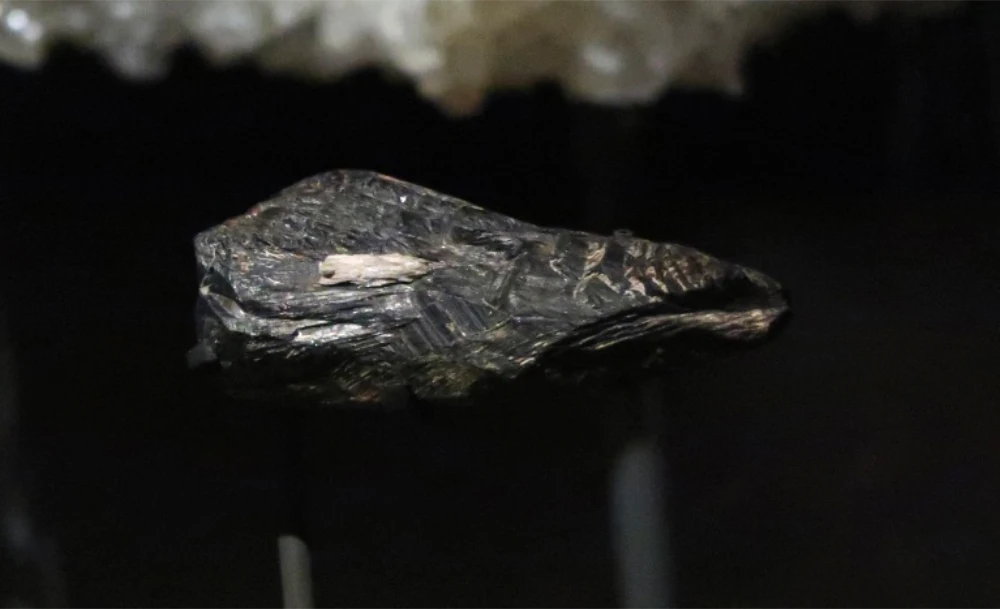
Key mining areas like Dong Pao and Yen Phu are central to development plans, focusing on upgrading local infrastructure and technology. Vietnam is actively integrating these resources into high-tech sectors, particularly semiconductor and chip manufacturing, to diversify away from China-concentrated supply chains. Increased interest from foreign firms like LS Eco Energy to establish processing facilities near these raw-material locations highlights the growing industrial demand.
By 2026, a strategic shift will ban raw ore exports, pushing for deep processing to boost the value chain and establish a national strategy on rare earths that will drastically reshape northern industrial real estate requirements.
For investors, the implication is direct. Industrial land within 50 to 100 km of Lai Chau and Yen Bai is becoming strategically priced as deep-processing facilities cluster near the deposits. Demand for processing-zone factories with high-spec power capacity, water access, and dedicated supply-chain corridors is expected to accelerate ahead of the national rare earth strategy taking effect.
Vietnam’s agricultural resources dominate global markets because the fertile Mekong Delta and Central Highlands provide perfect ecosystems for high-volume rice and robusta coffee cultivation year-round.
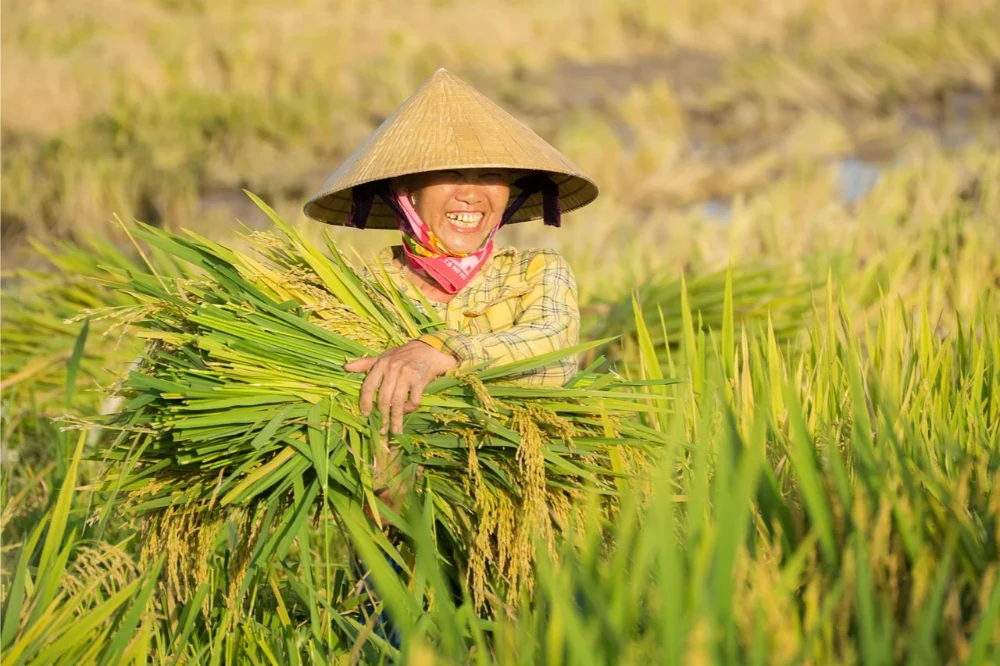
The nation solidified its status as a top global exporter of rice, the number one exporter of robusta coffee, and a leading exporter of black pepper. This incredible abundance, combined with a strategic shift from raw exports to value-added processing, has spurred massive growth in agro-processing and food packaging.
Consequently, this creates high demand for specialized, climate-controlled warehouses that protect sensitive crops and finished goods.
Vietnam remains a top global producer of natural rubber, exceeding 1.2 million tons annually. As of March 2026, prices have surged 25-30% from mid-2025 lows, driving renewed capital investment in the Southeast region (Binh Duong, Dong Nai, Tay Ninh) and Central Highlands hubs.
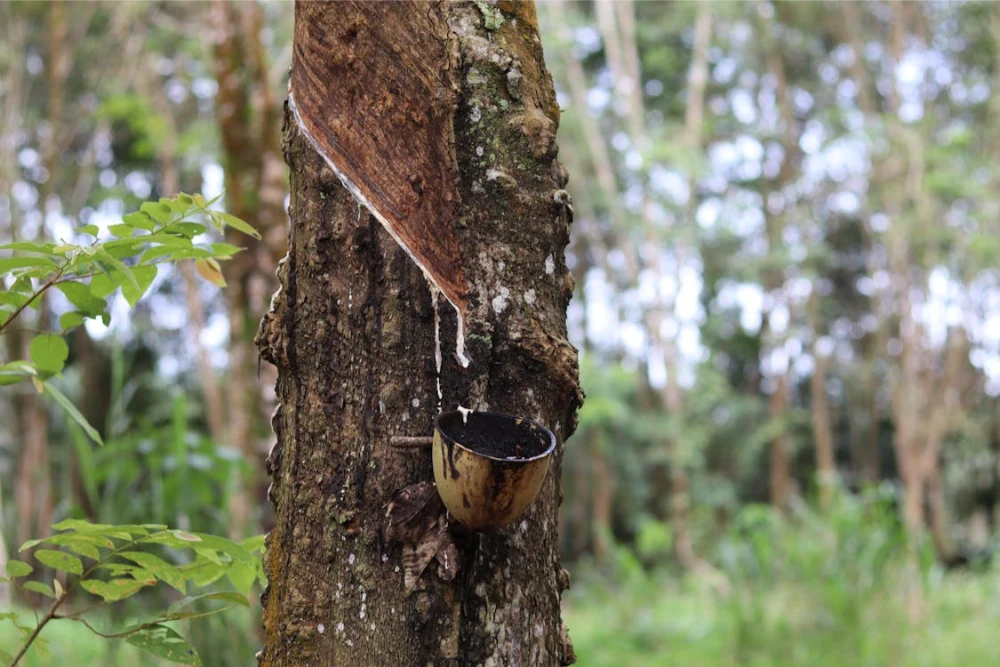
Meanwhile, the wood industry has masterfully moved beyond raw material export, focusing strongly on sustainable, FSC-certified legal timber like Acacia and Rubberwood to meet strict European and US standards. Wood product exports reached a record US$17.2 billion in 2025, with a target of US$18–19 billion for 2026.
With wood product exports reaching record highs, the clustered ecosystems in the South (Binh Duong, Dong Nai, Long An) and coastal areas act as powerful hotspots for industrial real estate, offering ready access to compliant raw materials.
Balancing traditional power generation with modern sustainability goals is crucial for industrial stability. Let us explore how Vietnam manages both legacy energy and green initiatives.
Traditional energy remains vital for grid stability because major offshore reserves in the Cuu Long and Nam Con Son basins consistently deliver the base load power required by heavy industrial operations.
Focus remains on these basins, with major developments like Block 15-2/17 and the Lac Da Vang field leading production and recent significant oil discoveries confirming continued upside.
In early 2026, PetroVietnam reported a significant oil discovery in the Cuu Long basin, confirming the area’s continued upside.
Coal and domestic gas is vital for stabilizing the grid, especially as peak demand surges in manufacturing hubs. The government has heavily prioritized infrastructure improvements to prevent power shortages in industrial zones.
For industrial tenants, there is a critical need to secure properties with guaranteed power capacity and reliable backup infrastructure.
The renewable energy surge is accelerating because southern and central coastal regions offer exceptional solar irradiance and wind potential that perfectly align with corporate ESG mandates.
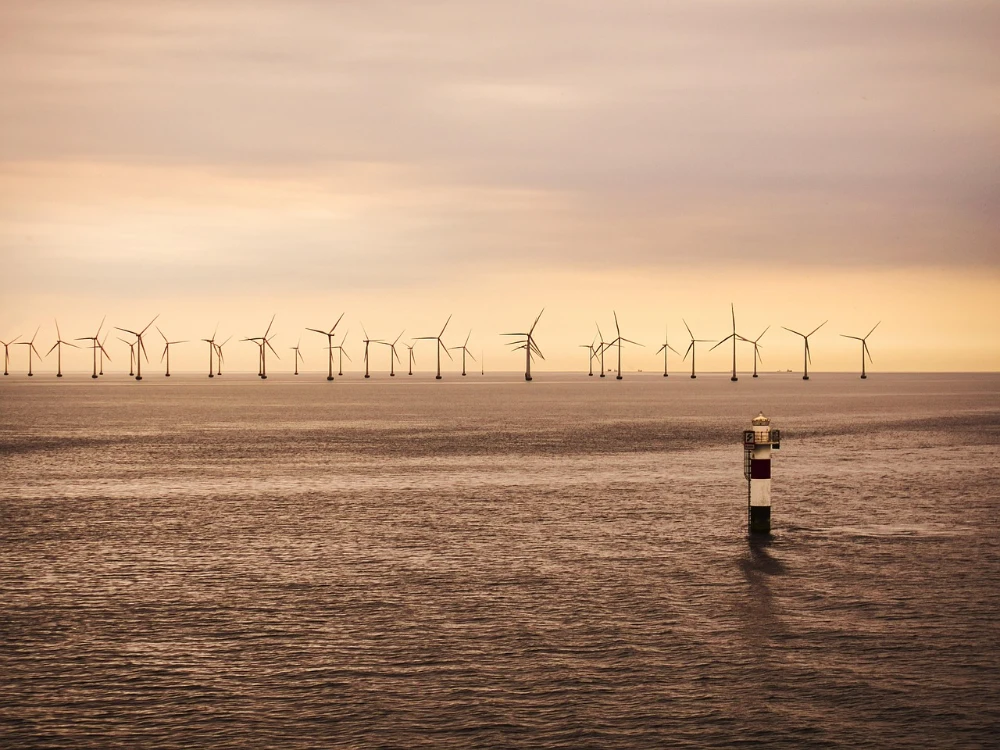
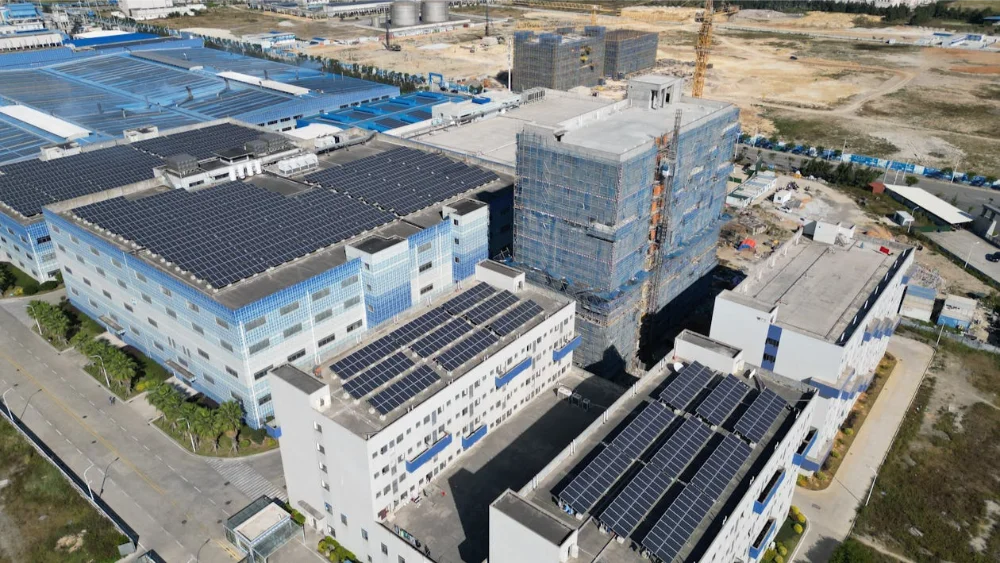
Regions like Ninh Thuan and Binh Thuan dominate Vietnam’s renewable build-out, anchoring the country’s ambitious PDP8 capacity targets. This push is heavily driven by foreign manufacturers aiming for net-zero goals, with intense focus on adopting Direct Power Purchase Agreements (DPPA).
Access to green energy is rapidly becoming a non-negotiable factor in industrial site selection, especially for discerning foreign direct investment looking to secure sustainable operational footprints.
Geographic advantages play a monumental role in industrial logistics costs and efficiencies. We must examine how Vietnam leverages its coastline and inland waterways.
Vietnam’s massive 3,260 km coastline shapes global trade logistics because it directly faces major shipping routes, allowing deep-water ports like Cai Mep-Thi Vai and Lach Huyen to operate at high capacity with ongoing expansions.
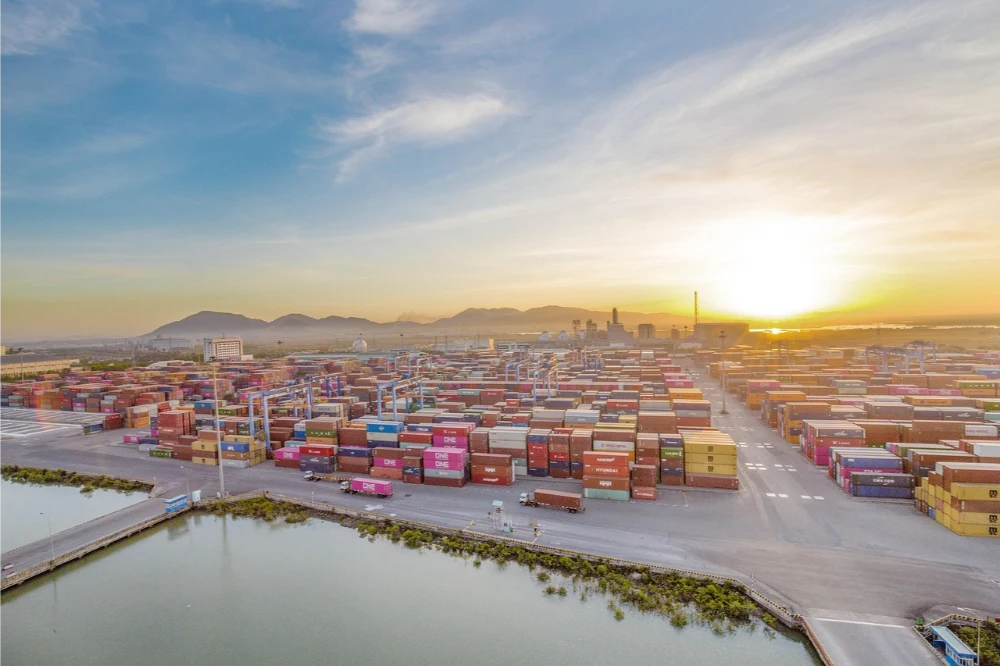
The geographic advantage is simply unmatched in the region. Deep-water ports are experiencing strong growth, with major operators like Gemalink undergoing massive phase expansions to accommodate larger vessels and increase capacity.
This seamless connection to global shipping lanes drastically reduces logistics costs for manufacturers exporting worldwide.
Extensive river networks drive inland logistics and aquaculture wealth because the Mekong and Red River deltas enable cost-effective waterway transport and massive seafood production requiring specialized cold-chain storage.
Inland waterway transport is being heavily upgraded, with a new $168.8 million project, co-funded by the World Bank, aimed at optimizing southern transport corridors by end-2026.
Simultaneously, aquaculture, particularly shrimp and pangasius, is heavily concentrated in the Mekong Delta. This concentration drives immense demand for specialized, temperature-controlled warehouse space to keep products fresh before international export.
The outlook for 2026–2030 focuses on value-chain upgrades because the government is actively shifting from raw extraction to deep processing and implementing green energy mechanisms to attract high-tech foreign investment:
– Rare earths move up the value chain: The government is finalizing a national strategy to shift from raw mining to deep processing, aiming for strategic autonomy by limiting raw exports and accelerating technology transfer to create a modern mineral ecosystem.
– DPPA reshapes industrial site selection: The Direct Power Purchase Agreement (DPPA) mechanism allows large consumers to buy renewable energy directly. Access to this green energy is now a pivotal factor in industrial site selection for FDI striving to meet export sustainability standards.
– Port and inland waterway capacity catch up to demand: Infrastructure projects are accelerating to meet rising demand by 2030. Major modernization of port clusters and new inland waterway projects aim to create a digitalized, green smart-port system that enhances logistics efficiency.
Knowing about these resources is only half the battle; translating them into real estate success is where we excel because our proprietary tools and deep market relationships perfectly match your operational needs with the right strategic location.
At Savills Industrial Vietnam, we utilize our proprietary Power BI analysis and Industrial Property Scorecard to visualize resource proximity, infrastructure readiness, and utility incentives. We cut through the noise to match a high-tech manufacturer needing specific grid power with the right northern province, or a furniture maker with timber access in the central highlands.

Our full-service platform covers everything from landlord advisory and tenant representation to leasing and investment brokerage. With a proven track record of over 99,164 square meters leased and 40+ developer contracts, our deep relationships with industrial park developers across resource-rich regions are unmatched.
Talk to our industrial team about turning Vietnam’s major resources into your next site decision. Contact John Campbell, Director, Industrial Services at Savills Vietnam, on +84 986 718 337 or reach the Savills Industrial team for a confidential consultation on resource-aligned industrial property in Vietnam.
Understanding Vietnam major resources often brings up specific questions from investors looking to capitalize on these natural strengths.
They attract high-tech electronics and semiconductor manufacturers seeking supply chain diversification. This creates premium demand for specialized industrial zones located near northern processing hubs.
It allows factories to buy renewable energy directly from generators. This mechanism is crucial for meeting international ESG mandates and securing preferential green financing.
Strict FSC-certification requirements mean manufacturers need facilities equipped for compliant, sustainable processing. This heavily drives leasing activity in southern provinces with established legal timber supply chains.
The Southeast region and Central Highlands offer the best clustered ecosystems. These specific provinces directly link raw material access to specialized processing industrial zones ideal for export-driven manufacturers.
Expansions at deep-water ports will significantly lower per-unit logistics costs for exporters. Tenants utilizing connected inland logistics hubs will see faster turnaround times for their global shipments.