
01 April 2026


Industrial properties encompass warehouses, factories, and logistics facilities critical to supply chains and investments, offering stable income and long leases.
Savills covers land, factories, warehouses, cold storage, and data centers across Vietnam, helping you identify the best types of industrial properties for your needs.
Warehousing and distribution properties serve as vital nodes in the supply chain by providing strategic storage and rapid fulfillment capabilities for various goods. We are seeing an evolution in how goods are stored and moved.
Regional and bulk warehouses accommodate different storage scales, offering tailored infrastructure for localized consolidation and large-scale distribution networks.
Regional warehouses are rectangular facilities with a dock ratio of 5,000–15,000 sq ft, where site coverage is dictated by office and parking needs. Bulk warehouses focus on large-scale storage with 50% average site coverage, a dock ratio of 5,000–10,000 sq ft, and extensive truck courts.
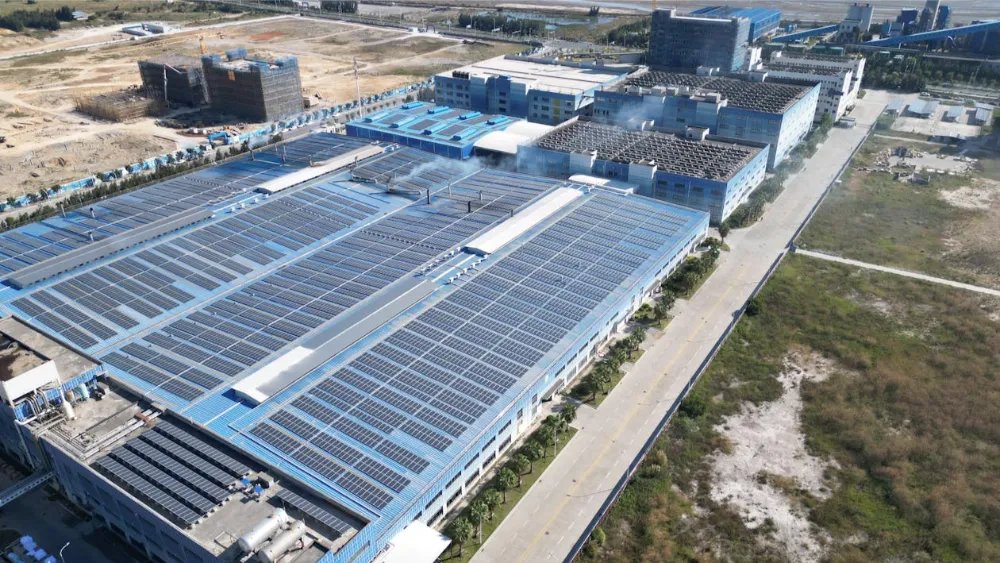
In Vietnam, regional warehouses serve nearby provinces as consolidation points for consumer goods. Bulk warehouses in southern economic zones support retailers, e-commerce players, and FMCG companies, commonly found in major parks like VSIP II-A and III in Binh Duong.
High-spec and automated warehouses represent the Industry 4.0 shift. Modern tenants like Shopee or Lazada need more than just bulk storage; they require specialized floor flatness for Very Narrow Aisle (VNA) trucks and Autonomous Mobile Robots (AMRs).
Cold storage and refrigerated distribution facilities provide specialized temperature-controlled environments essential for preserving perishable goods.
Cold storage facilities are temperature-controlled for perishables, featuring a 7,000–8,000 sq ft dock ratio and specialized floors. Rack-supported structures offer high-density automated storage with the highest site coverage.
Vietnam’s cold chain market is growing rapidly due to rising demand for temperature-sensitive goods. Cold storage for lease is emerging with strong demand but limited supply. Japanese and Korean investors lead here, with automated projects from Daiwa House, Igarashi Reizo, and Nichirei near Ho Chi Minh City.
Manufacturing properties are designed to support diverse production processes, ranging from light assembly to heavy industry, each requiring specific infrastructure and facility configurations. Vietnam’s economic growth relies on its robust manufacturing sector and the availability of factory rent in Vietnam that meets international standards.
Light and heavy manufacturing properties cater to distinctly different operational scales and structural requirements.
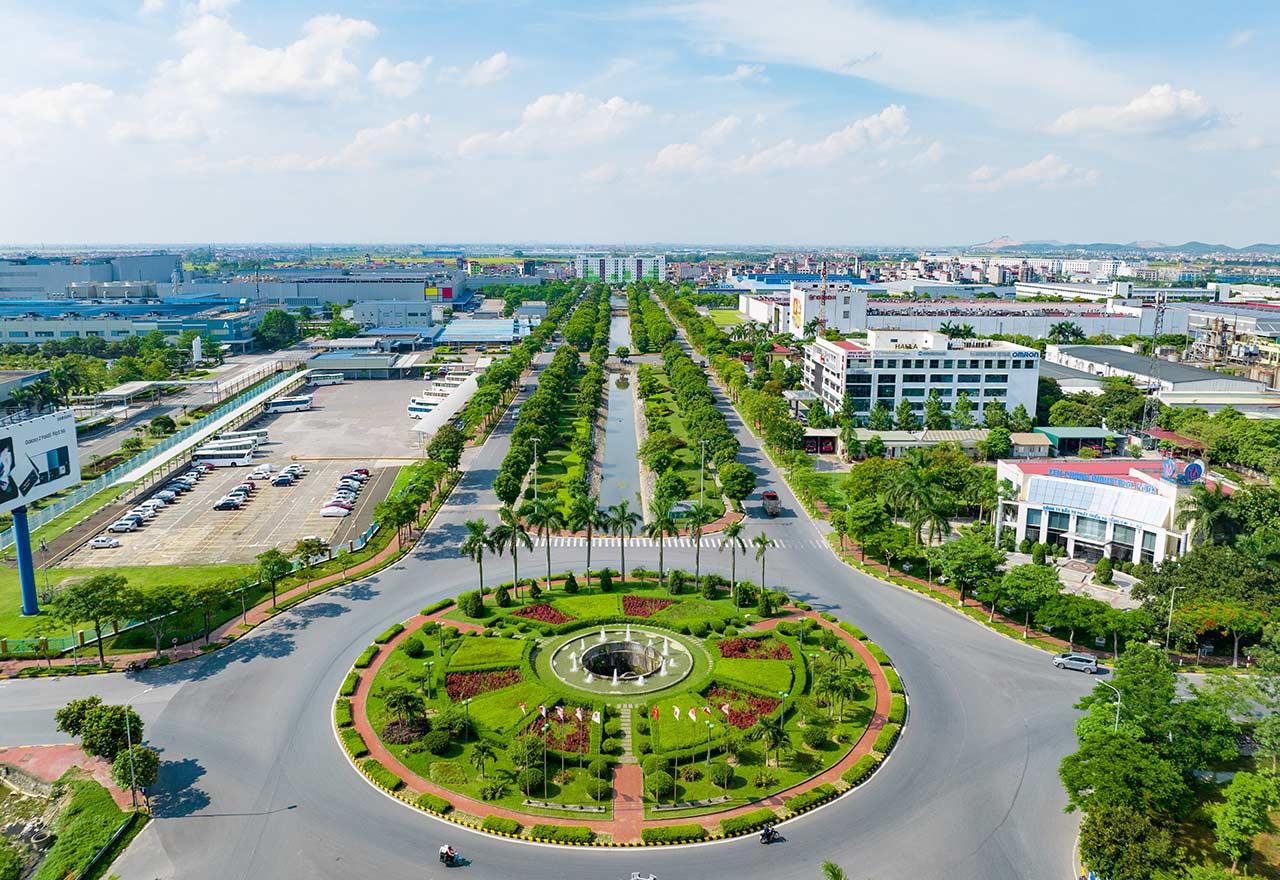
– Light Manufacturing: Ideal for assembly under 300,000 sq ft, often utilizing ready-built factories (RBFs). These feature high worker density, up to 40% site coverage, and a dock ratio of 10,000–15,000 sq ft. Electronics, garments, and FMCG sectors rely heavily on RBFs in Bac Ninh, Hai Phong, and Binh Duong.
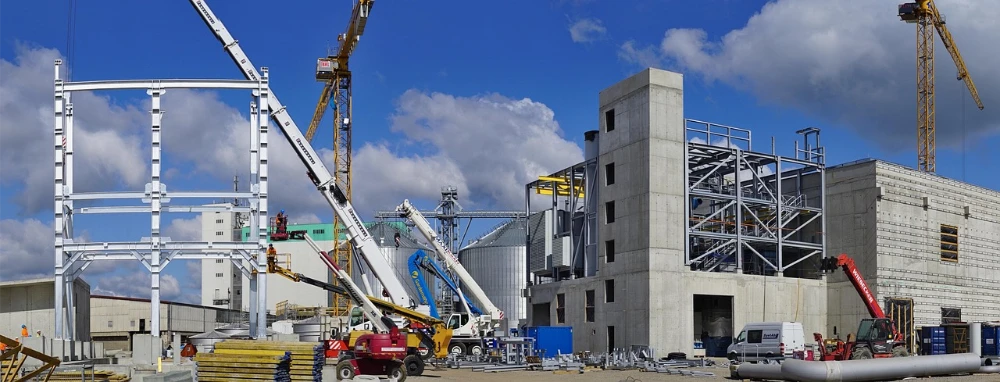
– Heavy Manufacturing: Designed for heavy-duty production exceeding 300,000 sq ft. These demand high power and floor loads, 40–50% site coverage, and often rail access. They are capital-intensive, customized, and located in specialized zones with port access.
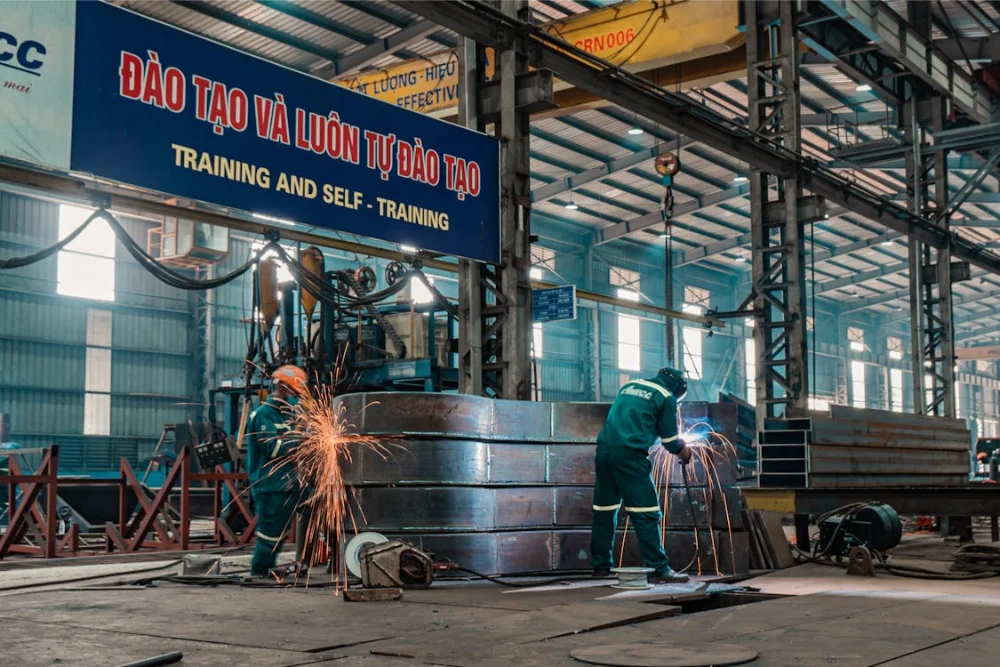
Airport hangars are uniquely categorized as manufacturing spaces specifically for aircraft Maintenance, Repair, and Overhaul (MRO). They feature large open spaces for aircraft alongside workshops and offices, with minimal docks.
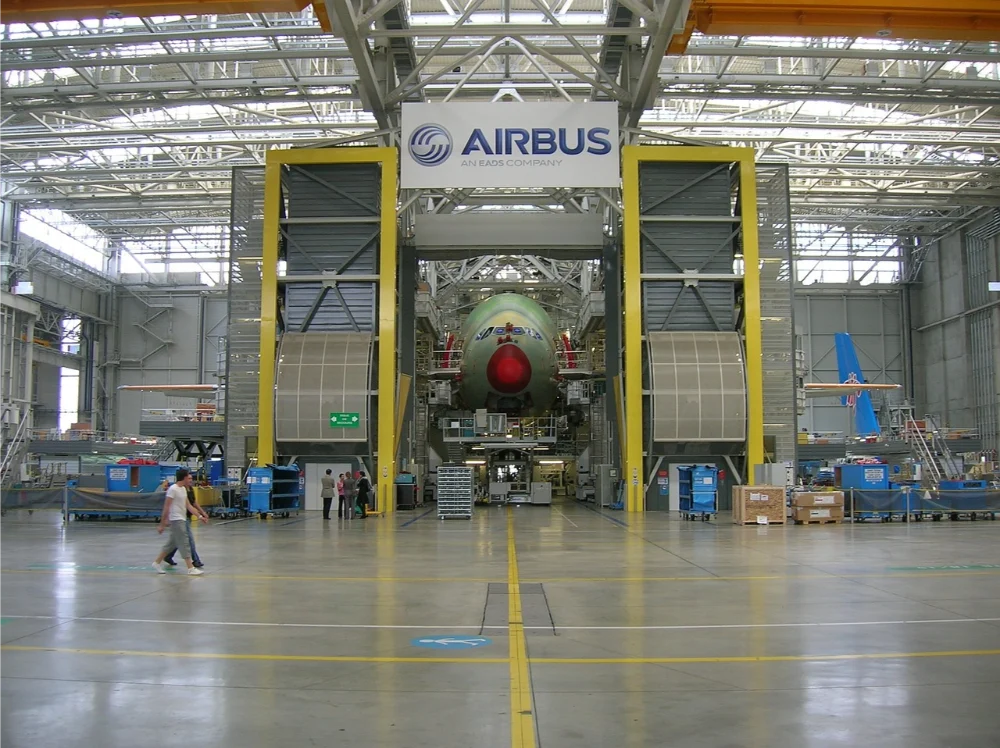
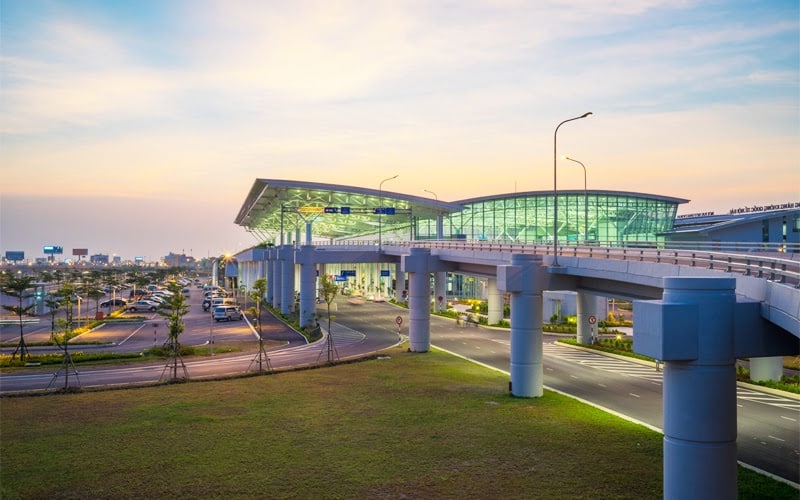
In Vietnam, major airports like Noi Bai and Tan Son Nhat have dedicated MRO facilities representing a vital niche segment. Operating adjacent to airport perimeters, these properties face specific regulatory and security requirements.
Flex, R&D, and office-showroom properties merge corporate aesthetics with operational functionality, creating versatile spaces that cater to modern business and consumer needs.
Modern businesses demand spaces that do more than house inventory. They want environments reflecting their brand while supporting light operations.
R&D flex and office showrooms combine high-tech workspace, branding, and logistics under one roof to serve multifaceted business operations.
R&D flex properties maintain a high-tech focus, requiring high parking, 25-40% site coverage, and a dock ratio exceeding 20,000 sq ft.
Meanwhile, Office showrooms feature a retail front with a warehouse back, high-end finishes, 30-40% site coverage, and a dock ratio of about 10,000 sq ft. They combine functions under one roof, making them highly attractive.
– High-tech manufacturing and R&D operations.
– Consumer-facing brands requiring showrooms plus back-of-house logistics.
In Vietnam, flex properties are increasingly found in top-tier parks near HCMC, Hanoi, and Binh Duong to serve logistics and corporate image needs.
Multi-tenant industrial buildings maximize space utility by housing multiple businesses within a single property under a shared system.
– Concept: A single property housing diverse tenants sharing amenities and loading areas, with site coverage over 50%.
– Advantages: Economies of scale in services, flexible lease sizes for smaller tenants, and diversified landlord income.
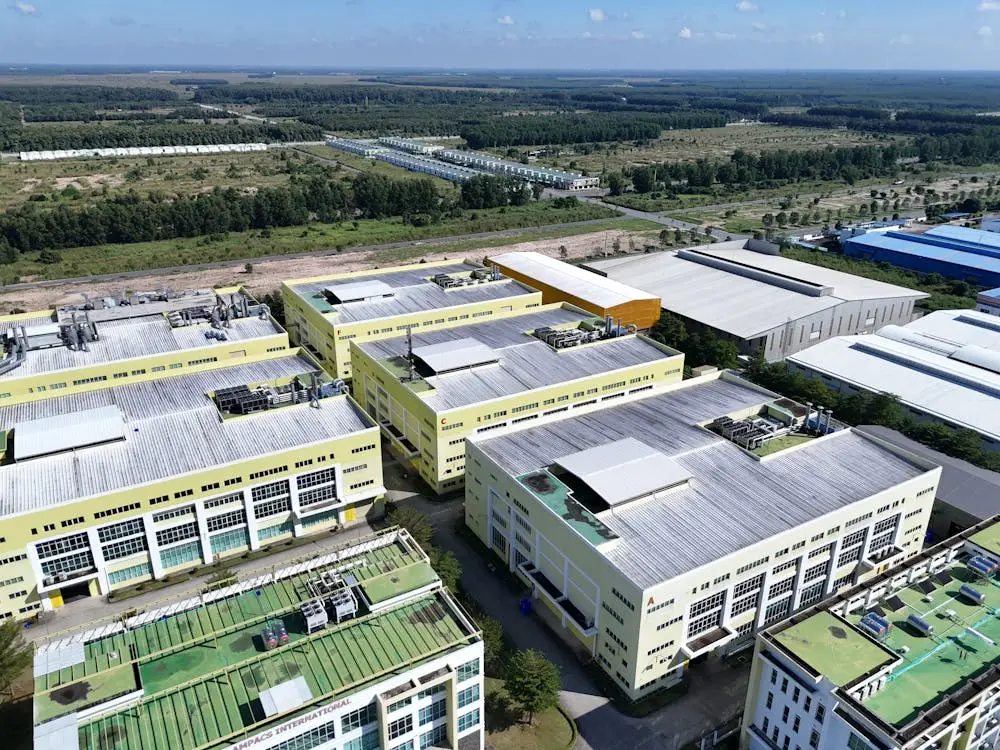
In Vietnam, many ready-built projects in parks like VSIP operate as multi-tenant properties supporting manufacturing and logistics occupiers.
Freight and transport-related industrial properties facilitate the rapid movement of goods by acting as critical interchange points between different transportation modes. Seamless logistics rely on facilities keeping goods moving without delays.
Truck terminals are purpose-built for rapid cross-docking operations, minimizing storage time to keep goods moving efficiently. They are cross-dock facilities with minimal storage and 20% site coverage. They are designed for highly efficient goods transfer between trucks, supporting just-in-time distribution.
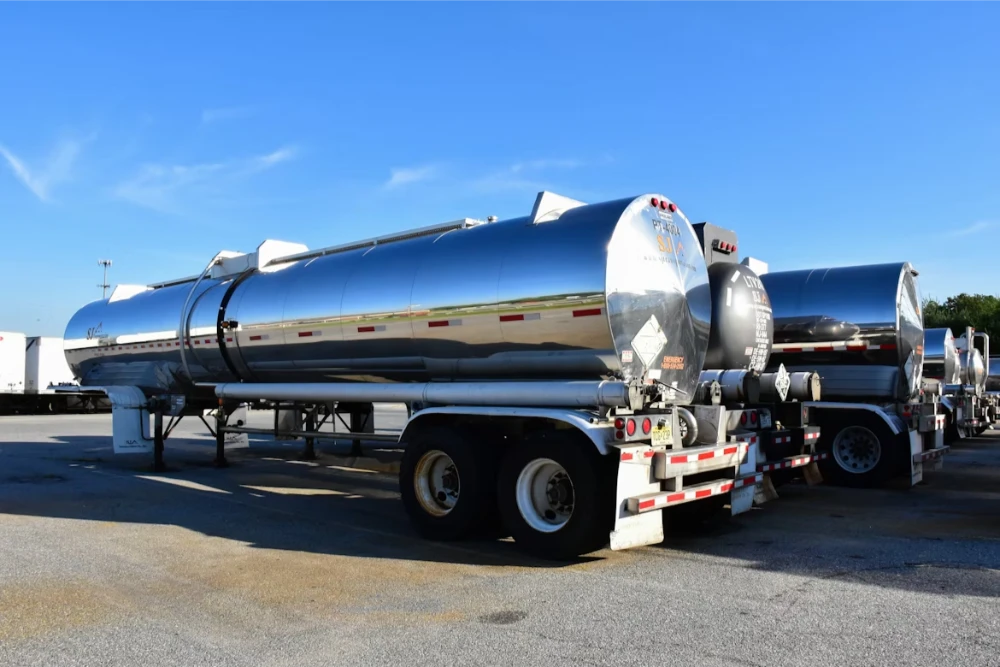
By 2026, key logistics hubs will concentrate around major highways, the Hanoi–Hai Phong expressway, Northern industrial zones, and deep-water ports like Cai Mep–Thi Vai and Lach Huyen.
Air cargo facilities are specialized hubs near airports that manage the swift transfer of high-value freight between aircraft and ground transport. They handle freight with specialized interior build-outs and strict security requirements.
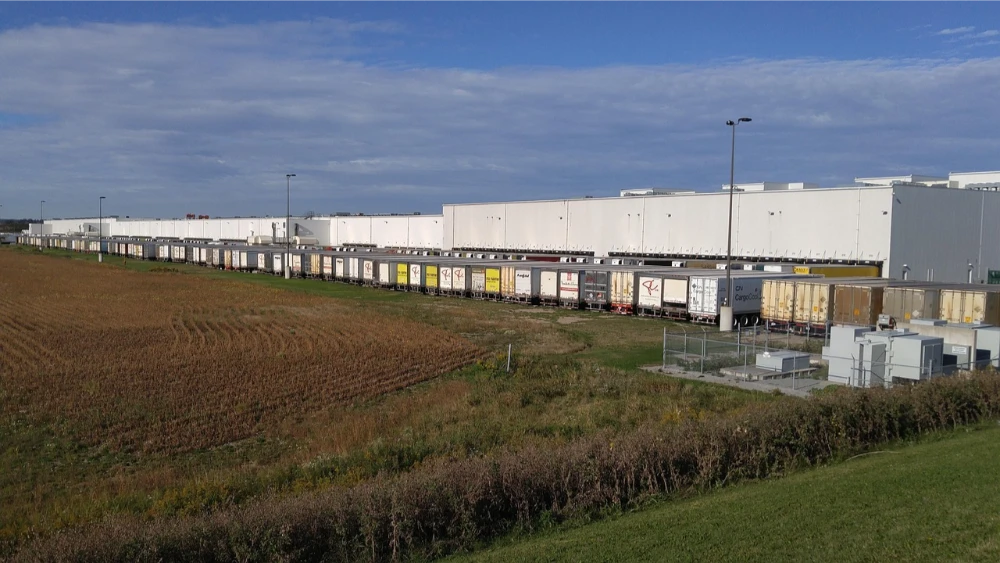
These facilities manage high-value and time-sensitive cargo, supporting Vietnam’s global supply chain integration. At Noi Bai Airport, multiple operators provide warehouse services, illustrating air cargo as a distinct property type.
Telecom and data center properties provide the critical digital infrastructure required to power the modern economy, demanding massive power supply and extreme redundancy. Data centers require high power with minimal parking and over 60% site coverage.
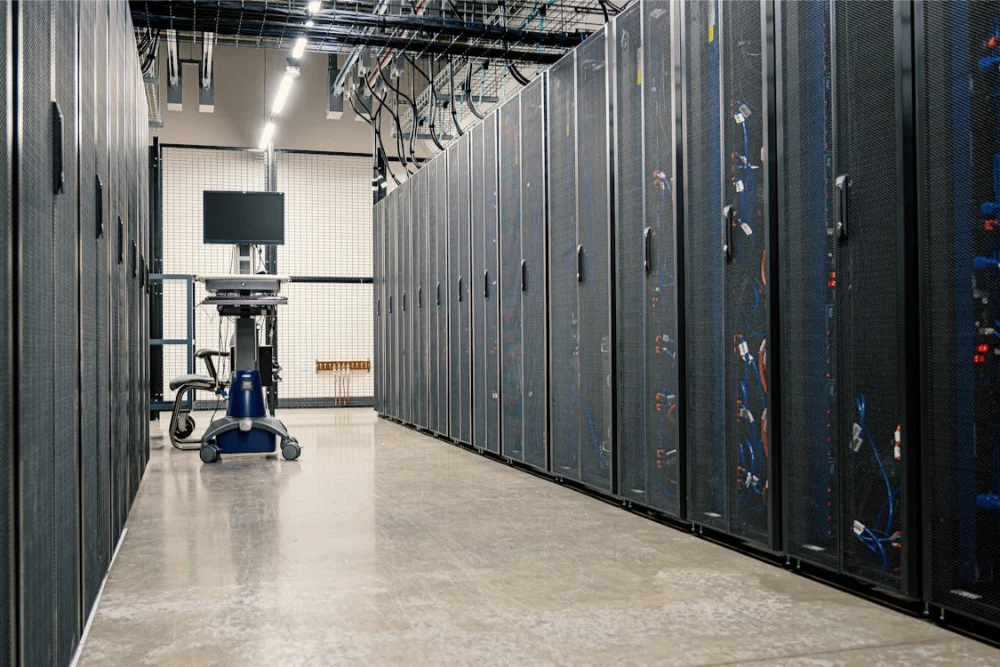
Vietnam’s market is projected to surpass US$1 billion by 2028/2029, driven by generative AI. According to Savills 2025/2026 insights, capacity should reach 950–1,000 MW by 2030. They are operated by telecom companies (Viettel, VNPT, FPT, CMC) and global IT providers.
Power is the top concern for investors. Savills helps navigate complex Power Purchase Agreements (PPAs) and power stability requirements.
Industrial land acts as the foundational blank canvas upon which all other types of industrial properties are developed. Industrial land refers to undeveloped or semi-developed plots in designated zones meant for factories, warehouses, or logistics centers.
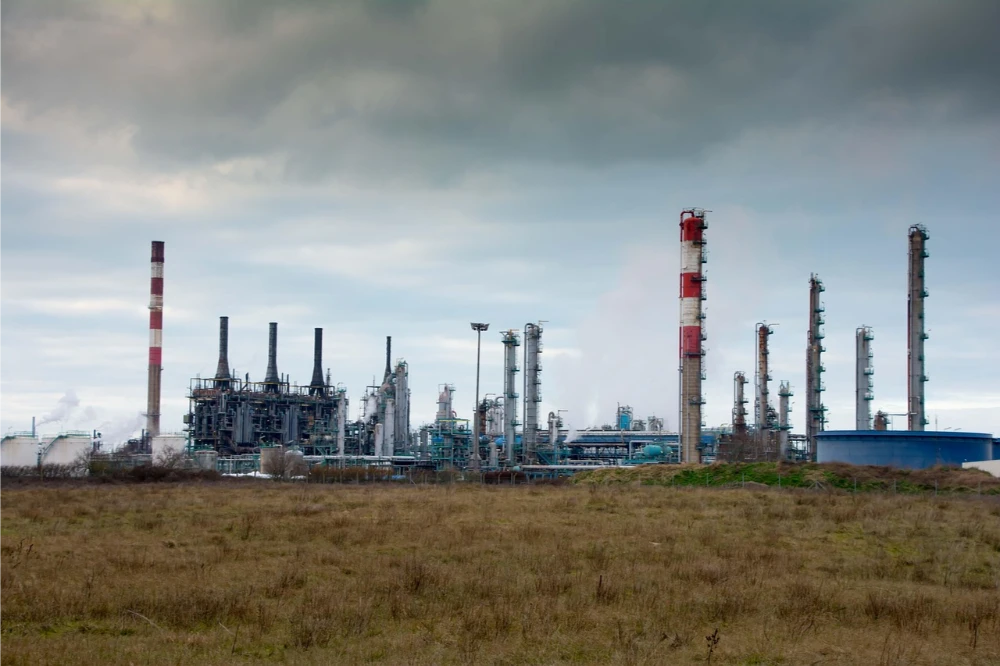
In Vietnam, this land is typically leased rather than sold freehold, utilizing “lump-sum” or “annual” rental models. Leases span 50 years and come with specific Land Use Rights Certificates (LURC). Developers use this land to create a modern factory in Vietnam or bespoke warehouse solutions.
Developers use this land to create warehouses and factories. Savills advises on LUR valuation under the 2026 framework, supporting clients with site selection, feasibility, and master-planning.
To help you quickly compare your options, we’ve broken down the core features and strategic locations of each asset class in the table below:
| Property Type | Typical Tenant Profile | Prime Locations in Vietnam | 2026 Demand Outlook |
| Regional Warehouses | Consumer goods distributors, parts suppliers | Provincial hubs and cities nationwide | Steady demand for localized distribution |
| Bulk Warehouses | Retailers, FMCG, E-commerce players | Southern key economic zones, VSIP II-A/III (Binh Duong) | High growth driven by online shopping |
| High-Spec/Automated Warehouses | E-commerce giants (e.g., Shopee, Lazada) | Major logistics hubs near HCMC and Hanoi | Surging demand due to Industry 4.0 shift |
| Cold Storage | Food and pharmaceutical distributors | Long An, Tay Ninh (near HCMC) | Rapidly accelerating, limited supply |
| Rack-Supported Cold Storage | Major cold chain operators | Long An, Tay Ninh | Strong demand from Japanese/Korean investors |
| Light Manufacturing (RBFs) | Electronics, garment, FMCG assemblers | Bac Ninh, Hai Phong, Binh Duong, Long An | Stable, strong occupancy in key hubs |
| Heavy Manufacturing | Machinery, heavy equipment producers | Specialized zones with port/rail access | Niche but steady, infrastructure reliant |
| Airport Hangars (MRO) | Airlines, aircraft service providers | Noi Bai, Tan Son Nhat perimeters | Niche but stable as aviation grows |
| R&D Flex | High-tech manufacturers, R&D divisions | Top-tier parks near HCMC, Hanoi, Binh Duong | Expanding in urban-adjacent parks |
| Office Showrooms | Consumer-facing brands, light industrial | Urban-adjacent parks (VSIP, BWID) | Growing demand for brand visibility |
| Multi-Tenant Industrial Buildings | SMEs, diverse manufacturing/logistics tenants | VSIP and other major industrial parks nationwide | Highly attractive for flexible lease sizes |
| Truck Terminals | Cross-dock logistics operators, couriers | Hanoi–Hai Phong expressway, CM–TV port area | Critical for just-in-time distribution |
| Air Cargo Facilities | Freight forwarders, cargo terminal operators | Noi Bai Airport and other major airports | Essential for high-value global supply chains |
| Data Centers | Telecom companies, global IT providers | Major urban centers | Explosive growth driven by AI and cloud |
| Industrial Land | Developers, institutional investors | Nationwide designated industrial zones | Consistently strong for build-to-suit projects |
If you have further questions on Vietnam industrial factories, learn more in The Complete Guide to Industrial Factories in Vietnam: Types, Costs, Zones and How to Lease.
By understanding the distinct types of industrial properties, from high-spec warehouses to data centers, investors can secure stable, long-term returns.
Investing in the right industrial asset requires a trusted partner with deep local knowledge. Established in 1995, Savills Vietnam is the largest foreign real estate consultancy in Vietnam.
With a dedicated industrial department, Savills offer a full-service manufacturing and logistics real estate consultancy. We provide advisory services, investment consultancy, banking and corporate services, office and retail leasing, hotels and leisure consultancy, residential and international sales, residential leasing, and property management.
Contact us today to expand your investment portfolio with more types of industrial properties.