06 April 2026


Securing the right industrial factory in Vietnam requires understanding the diverse facility types, cost structures, and prime geographic locations.
As foreign direct investment surges, mastering the leasing landscape is essential for businesses aiming to establish efficient, competitive, and thriving manufacturing operations.
Navigating Vietnam’s industrial real estate requires knowing exactly what building style fits your production needs. We break down the four primary options to help you align your physical space with your business goals.
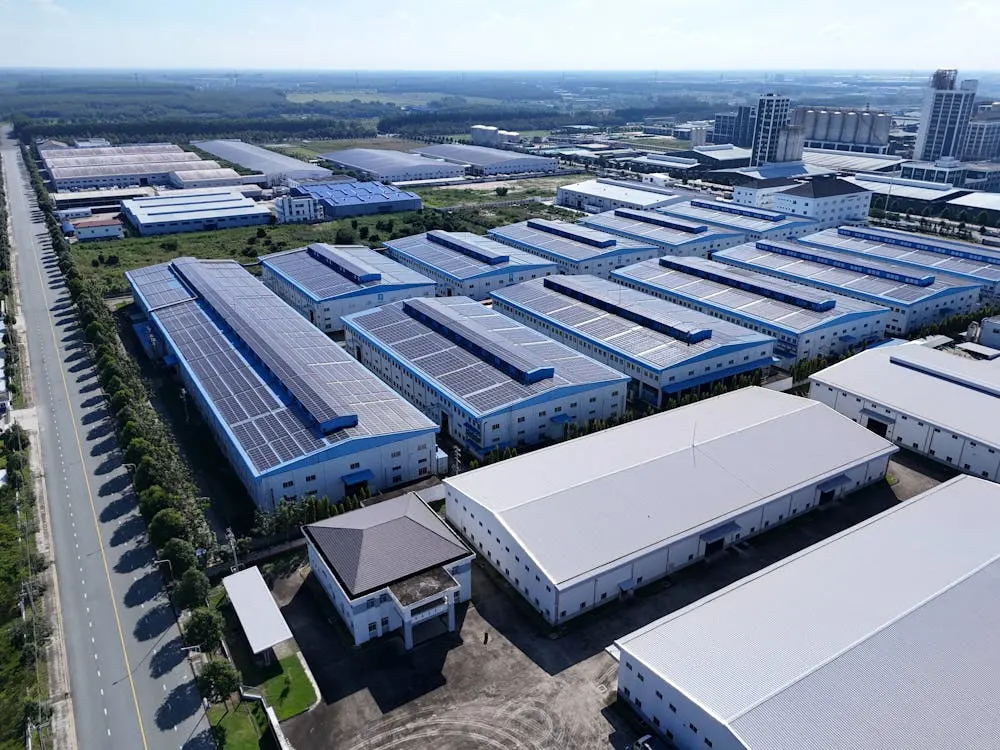
Ready-built factories accelerate market entry because they are standard-spec buildings available for immediate occupancy, bypassing lengthy construction phases.
– Speed to market: Ideal for SMEs and logistics providers needing to pivot quickly under “China Plus One” strategies.
– Strategic CAPEX: No longer just temporary, securing a ready-built industrial factory is a smart 2026 move to optimize capital expenditure.
– Immediate operations: These spaces come pre-equipped with essential utilities, letting you focus entirely on day-one production.
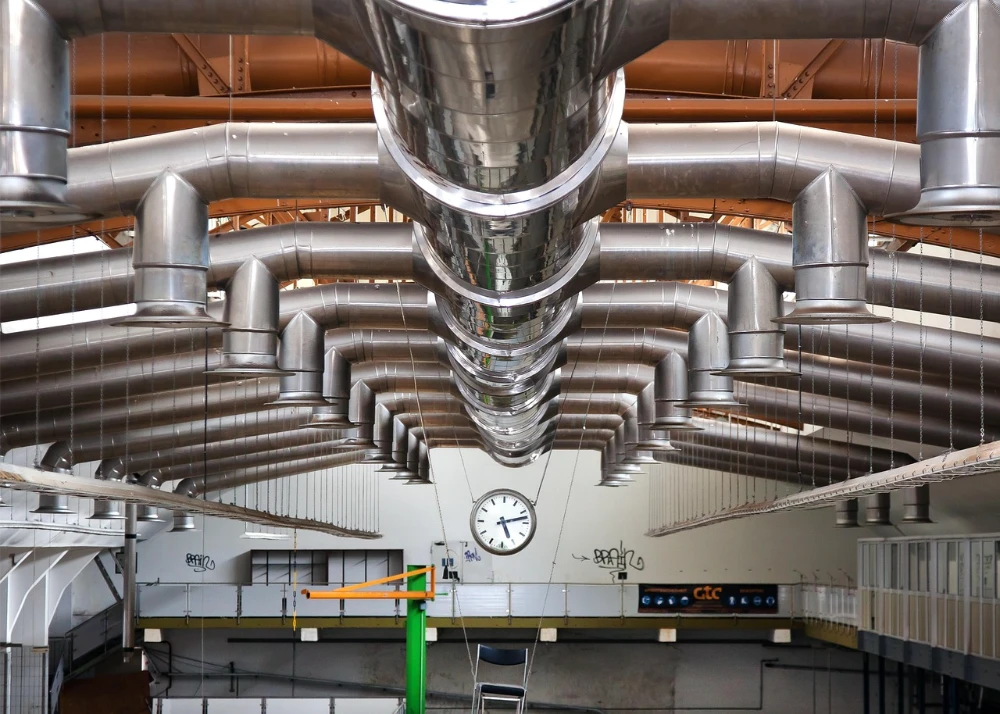
Build-to-suit solutions deliver customized facilities because developers construct them based on your exact technical requirements, ensuring optimal workflow layouts.
– Precision engineering: Get tailored floor loading, ceiling heights, and dedicated power supplies for heavy or unique manufacturing.
– 2026 high-rise trend: To combat land scarcity near Hanoi and HCMC, developers are increasingly building multi-story industrial factory complexes.
At Savills, we excel at connecting ambitious investors with high-yield assets and helping occupiers pinpoint facilities available for immediate purchase, ensuring every transaction drives tangible financial value.
The acquisition market offers strong investment opportunities because buyers can purchase operational facilities while occupiers utilize sale and leaseback models to free up capital.
– Capital unlocking: A sale and leaseback model lets you sell your asset and lease it back, injecting cash into your core business.
– Zero disruption: You maintain your manufacturing momentum while radically improving your balance sheet.
For a deeper dive into available formats, explore our analysis of the different types of industrial properties currently dominating the market.
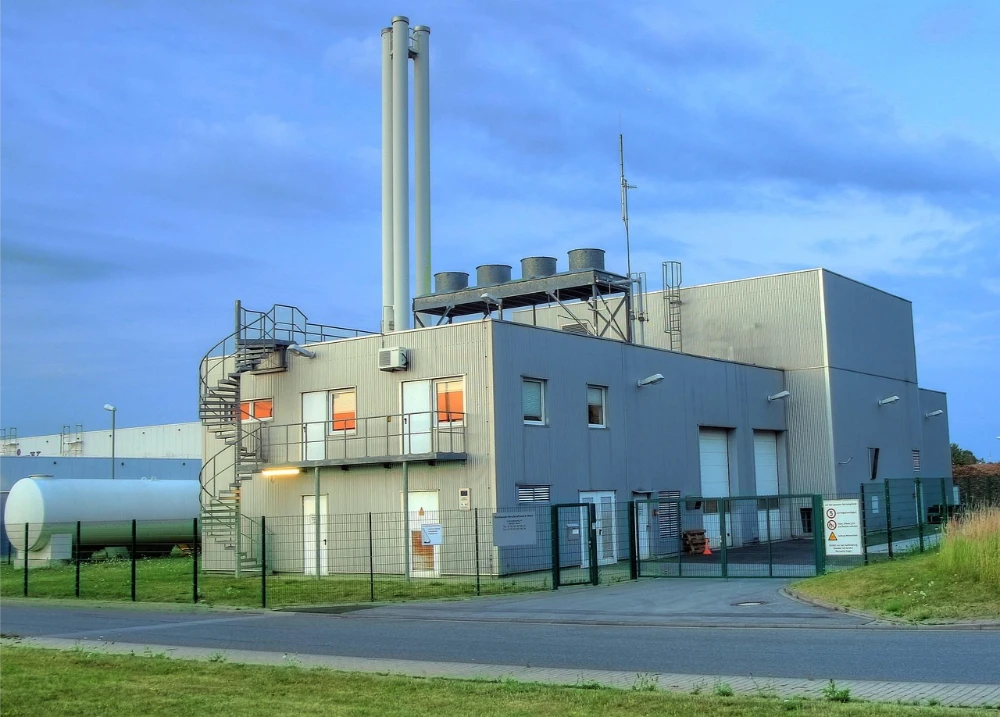
High-tech and smart factories represent the future of manufacturing because they integrate Industry 4.0 automation, IoT, and advanced data analytics, featuring clean rooms, stable power, and mandatory green certifications for ESG compliance.
The leap into modern production requires facilities equipped with advanced climate control and automation-ready infrastructure from the ground up.
– Non-negotiable ESG standards: In 2026, multinational corporations must have LEED certifications, energy-efficient designs, and robust water recycling systems.
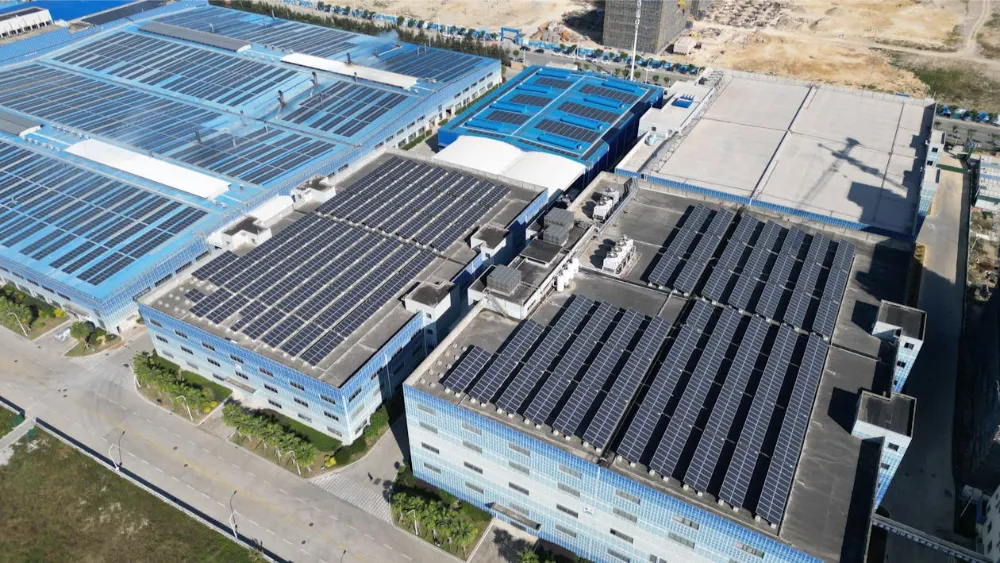
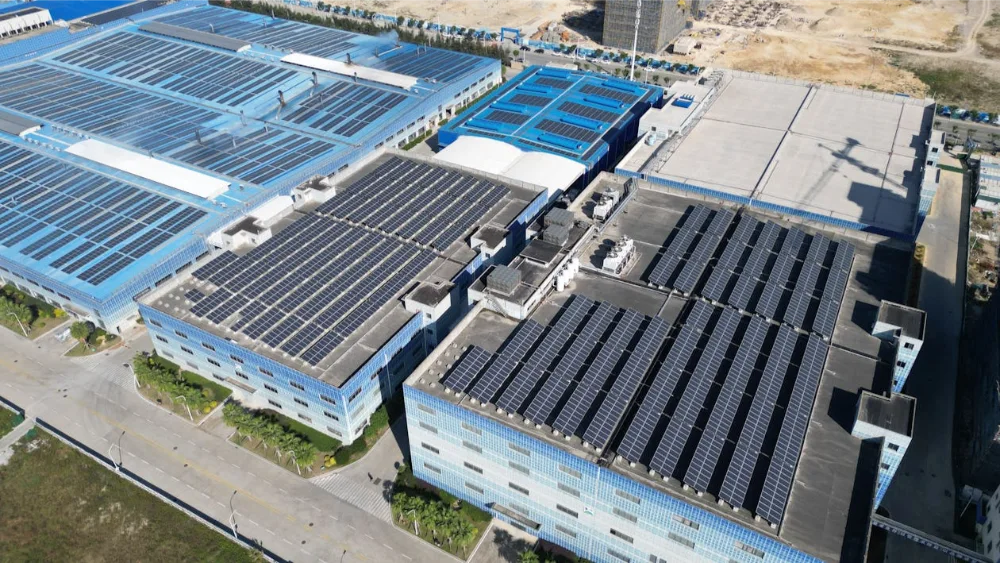
– Rooftop solar adoption: This feature is rapidly becoming a standard requirement for meeting global sustainability compliance targets.
To ensure your space meets these rigorous standards, Savills can help audit a facility’s carbon footprint or verify water recycling systems. Learn more about our sustainability and ESG services.
Evaluating a modern factory in Vietnam requires a rigorous technical checklist because operational success relies on structural integrity, robust utilities, and strict safety compliance.
| Technical Feature | Standard Ready-Built (RBF) | High-Tech / Smart Factory |
| Floor Loading Capacity | 2.0 – 2.5 tons/m² | 3.0 – 5.0+ tons/m² |
| Clear Height | 6 – 9 meters | 10 – 13+ meters |
| Power Supply | 200 – 500 KVA per unit | Multi-MVA (Dedicated Substation) |
| Column Spacing | 8 – 12 meters | 12 – 18+ meters (Wide Span) |
| Fire Safety System | Local PCCC Standards | NFPA 13 / FM Global Approved |
| Sustainability (ESG) | LED & Basic Water Recycling | LEED Gold / Rooftop Solar Ready |
At Savills, we utilize our standardized Industrial Property Scorecard to objectively evaluate and compare these technical specifications for international tenants.
Your operational costs and supply chain speed depend heavily on where you plant your flag. We analyze the strengths of the North, South, Central, and emerging Tier-2 markets to find your perfect fit.
The NKER serves as a premier high-tech hub because it offers unmatched China border logistics and seaport access, attracting global electronics giants.
Encompassing Hanoi, Bac Ninh, Hai Phong, and Quang Ninh, this region is the heartbeat of Vietnam’s tech boom. The presence of Samsung, LG, and Foxconn has created a massive, self-sustaining supplier ecosystem.
We see consistently premium rental rates here, driven by exceptional infrastructure like the Lach Huyen deep-sea port and seamless border gateways. For high-tech manufacturing, the North remains highly sought-after.
The SKER remains top-tier for industrial logistics because it boasts the massive Cai Mep-Thi Vai deep-sea port and continuous infrastructure expansions. If you are looking specifically for a factory for rent in Ho Chi Minh City, you will find a market masterfully shifting toward advanced logistics and high-tech manufacturing.
Spanning HCMC, Dong Nai, and Binh Duong, the South is masterfully shifting from labor-intensive industries to high-tech and advanced logistics. We frequently recommend this region for businesses requiring robust, multi-modal supply chains.
– Global export access: The Cai Mep-Thi Vai port handles massive global cargo volumes efficiently.
– Infrastructure growth: Ongoing ring road and airport expansions keep your logistics agile.
– Labor diversity: The region provides unparalleled access to a highly diverse and skilled labor pool.
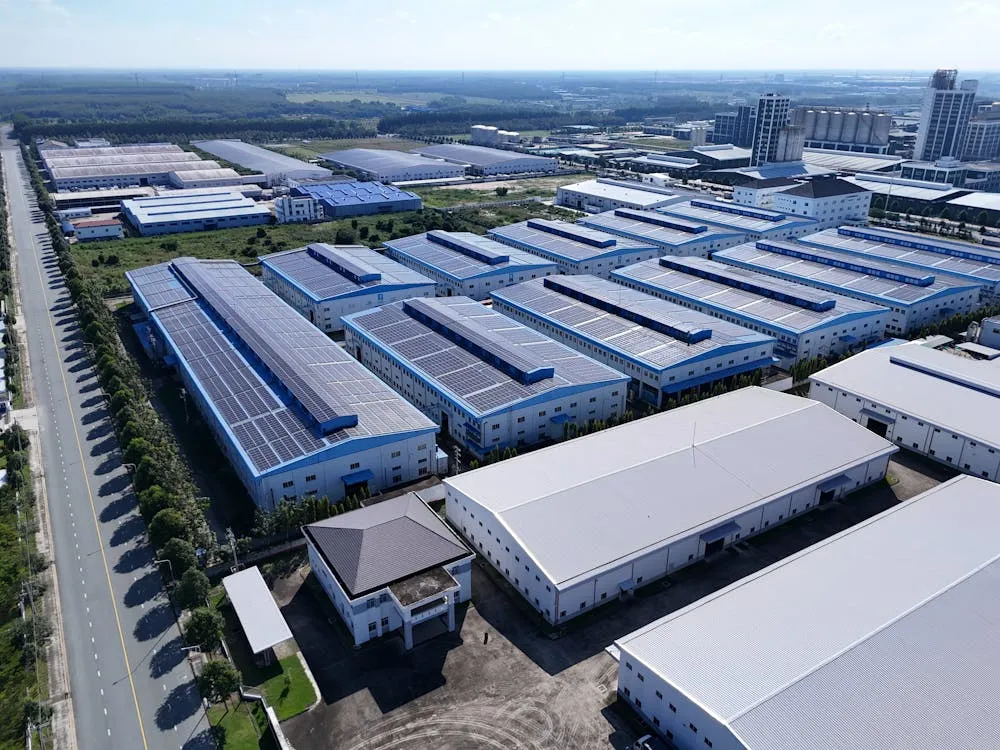
Central Vietnam is a compelling growth frontier because it offers competitive land costs, lower worker turnover, and heavy government incentives for semiconductors and renewable energy.
– Da Nang hub: Positioned perfectly for electronics, mechanical engineering, and shipbuilding via its Hi-Tech Park.
– Emerging zones: Quang Nam and Binh Dinh (specifically Becamex VSIP) are attracting high-tech FDI, while Thua Thien Hue offers excellent industrial land supply.
We see this area as a brilliant, cost-effective balance for long-term investors seeking stable, loyal labor.
Tier-2 provinces offer exceptional value and are unlocking competitive factory rent in Vietnam for investors as they provide competitive land prices and proactive government incentives, delivering higher long-term ROI despite less mature infrastructure.
For investors looking toward 2026-2030, rising stars like Long An, Hung Yen, and Ha Nam are incredibly exciting. Long An is essential for HCMC-centric logistics, while Hung Yen is reaping massive benefits from the Red River Delta’s expansion, evidenced by Sumitomo’s FDI in Thang Long II.
– Cost advantages: Land and labor costs remain significantly lower than in Tier-1 zones.
– Risk vs. reward: While infrastructure is catching up, the long-term financial rewards far outweigh the initial challenges.
At Savills, we identify these “hot spots” before they saturate, balancing readiness with cost savings.
Demystifying leasing costs prevents surprises because a clear grasp of base rates, upfront payments, and operational expenses protects your cash flow.
Base rental rates vary by location because prime zones near HCMC and Hanoi command higher prices due to superior infrastructure and transport links.
– Current rates: As of Q1 2026, standard spaces range from USD 4.5–5.5/m²/month, with premium high-tech zones exceeding USD 6.5–7.0/m².
– Annual escalations: Budget for 3-9% yearly rental increases driven by high demand.
Savills provide real-time comparables and negotiate caps on annual escalations to protect your bottom line.
Securing space requires upfront cash because landlords typically mandate a security deposit, advance rent payments, and a dedicated fit-out budget.
– Standard deposits: Expect to pay a 3-6 month security deposit plus a 3-month advance upon signing.
– Fit-out capital: Allocate additional funds for mechanical and electrical (M&E) installations and office partitioning.
Savills help clients negotiate these payment plans, especially for 5+ year leases, to ease initial cash flow burdens.
Operational expenses extend beyond base rent because tenants must cover management fees, utility usage, internal maintenance, and taxes, while also remaining vigilant about the hidden costs of logistics that can impact overall budgets.
You will need to factor industrial park service fees into your monthly overhead, which cover security, landscaping, and waste management. Electricity, water, and internet costs are usage-based, subject to industrial tariffs.
It is vital to clarify maintenance responsibilities upfront: landlords handle structural elements like roofs and main utility lines, while tenants manage internal repairs and fit-out equipment.
Additionally, potential land use taxes and administrative licensing fees must be accounted for.
We always help our clients uncover and resolve the hidden costs of logistics, ensuring your operational budget is genuinely comprehensive.
The Vietnamese leasing process involves specific regulatory steps that foreign investors must navigate carefully. We streamline this journey into seven clear, manageable phases for our clients.
The process begins with a targeted search because defining your exact requirements allows us to curate the best options and initiate landlord talks.
– Data-driven curation: We leverage our Power BI tools to filter the market and present highly viable options.
– Aggressive negotiation: We immediately begin discussing rental rates, lease terms, and incentives on your behalf.
Formalizing intent is critical because signing an MOU and paying a reservation deposit officially takes the property off the market.
– Deposit protection: We meticulously draft MOU clauses to ensure your 3-6 month rental deposit is fully protected.
– Clear timelines: We establish strict deadlines to maintain momentum for the next legal steps.
Foreign investors must secure legal entities because obtaining the Investment Registration Certificate and Enterprise Registration Certificate is mandatory, often taking up to 30 days.
– Dossier coordination: We expertly prepare and submit your project dossiers and financial statements.
– Conditional sectors: We proactively manage extended timelines for regulated industries like chemicals or heavy manufacturing.
The handover is a vital quality check because verifying utilities and structural specifications ensures the space meets agreed standards before possession.
– Joint inspection: We accompany you to verify electrical, water, and fire protection systems are fully functional.
– Official transfer: We facilitate the signing of the Handover Minutes to legally secure the space.
Finalizing the contract demands strict review because 2026 marks the shift to annual land price updates, making rental adjustment clauses crucial.
– Clause scrutiny: We scrutinize every line item to protect you from unexpected rental spikes under the new land price framework.
– Seamless execution: We guide you through final contract signing and initial installment payments.
Transforming the space requires permits because installing production lines and partitions necessitates construction and fire safety approvals.
– Rent-free incentives: We negotiate rent-free periods (often the first month) to accommodate vital fit-out work.
– Permit assistance: We secure Firefighting Design Approvals and construction permits, typically completed in 5–10 working days.
The final step before going live involves passing final regulatory checks because completing inspections of fire safety and environmental protection plans is mandatory to officially commence manufacturing operations.
You are almost at the finish line. After finalizing your fit-out, we help ensure you pass the final fire safety and environmental inspections with flying colors.
Once cleared, you are ready to officially go live. Even after you move in, we remain available to assist with ongoing landlord relations, operational troubleshooting, or future expansion needs.
Choosing the right partner transforms a complex transaction into a strategic advantage because we combine data-driven tools with proven market expertise. Your real estate decisions should be guided by facts, not guesswork. We bring unparalleled market intelligence and a deeply human approach to every single partnership.
We deliver unmatched clarity because our proprietary Power BI platform and Industrial Property Scorecard quantify real-time supply and pricing data.
We simply do not guess when it comes to your business future. Our S22M platform provides stunning visualizations of real-time market dynamics.
By scoring properties on location, utilities, and incentives, our Industrial Property Scorecard ensures every recommendation is rooted in hard, actionable data.
Our clients trust us with their most critical assets because we have delivered exceptional results, including leasing 99,164 m², selling 77,411 m², and facilitating over $28 million in transaction value for both MNCs and local developers.
Numbers tell a compelling story, but our relationships tell the real one. From multinational corporations to local developers, we treat your goals as our own.
This partnership mindset is exactly how we have achieved such impressive transaction volumes, ensuring every deal adds tangible, measurable value to your bottom line.
We provide holistic support because our purpose is helping people thrive through places and spaces, standing by you from market entry to lease renewal.
At Savills, we want you to be heard and empowered. We listen to your unique challenges and challenge the status quo to bring you honest advice.
From your initial strategy to expanding your next industrial factory, we are with you for the long haul.
Navigating the complexities of leasing an industrial factory in Vietnam requires expert guidance to overcome challenges in costs, legalities, and location selection. Securing the right space profoundly impacts your long-term operational efficiency.
Don’t navigate this dynamic market alone, contact Savills Industrial today to leverage our intelligence and find your perfect industrial factory.
Navigating the nuances of securing an industrial factory in Vietnam often brings up several common questions for prospective tenants.
Most landlords require a minimum commitment of three to five years, though terms can often be negotiated depending on the size of the space. Longer leases typically unlock more favorable rental rates.
The entire journey from initial space shortlisting to final contract signing and handover typically takes between two to three months. This timeline can extend if a company operates in a heavily regulated, conditional business sector.
Absolutely, negotiating a rent-free period, usually ranging from one to three months, is a standard practice to accommodate mechanical and electrical installations. The length of this incentive heavily depends on the lease duration and market conditions.
Yes, installing specialized equipment often requires specific construction and fire safety permits to ensure compliance with local building codes. We guide you through securing these critical approvals during the fit-out phase.