29 March 2026


A modern factory in Vietnam is no longer just a basic building but a strategic, smart-ready asset integrating advanced technology, sustainability, and optimized workflows for high-value production.
By 2026, investors are prioritizing these ready-built, international-standard facilities to speed up market entry and capture global competitive advantages.
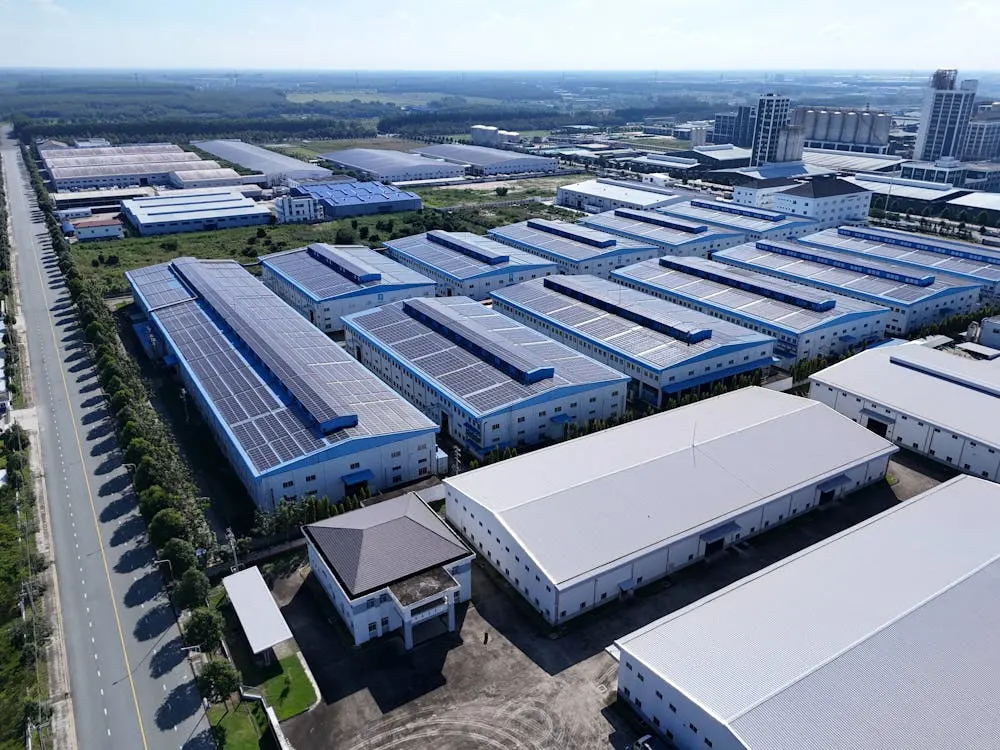
Defining a modern factory in Vietnam requires looking beyond basic shelter to understand high-tech infrastructure, strict ESG compliance, and smart-ready capabilities. Today’s facilities boast high ceilings, clear spans, 5G-enabled shop floors, high-density floor loading and advanced fire safety systems to meet the rigorous demands of high-tech manufacturing.
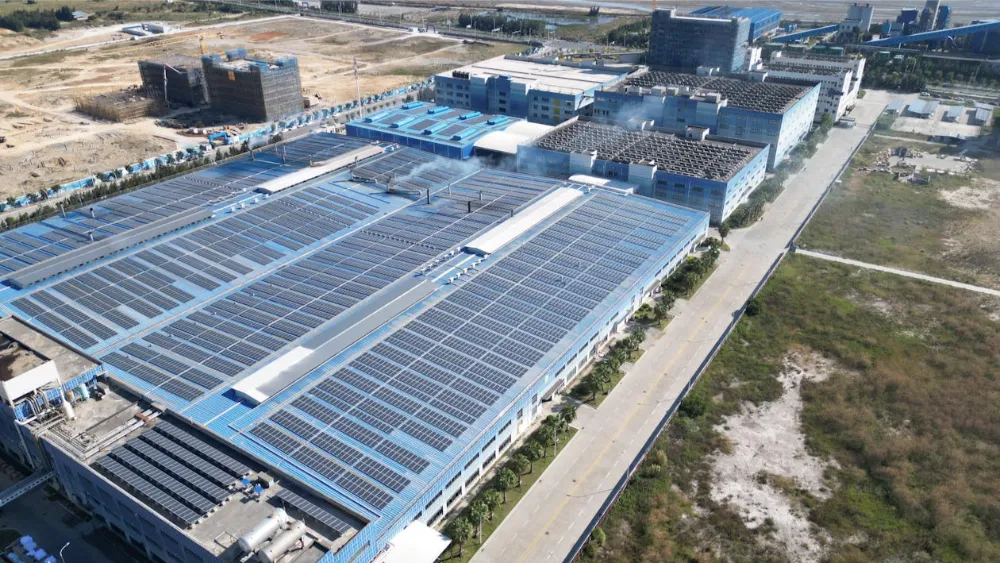
There has been a monumental shift from basic shelter to “smart-ready” infrastructure. A modern factory in Vietnam is now purpose-built to support heavy machinery, automation lines, and IoT integration from day one.
If you need foundational knowledge about the different types of industrial properties available, we highly recommend reading The Complete Guide to Industrial Factories in Vietnam: Types, Costs, Zones and How to Lease.
To visually distinguish your options, here is a detailed comparison of facility types:
| Feature | Traditional Factory | Modern Spec Factory (RBF) | Built-to-Suit Factory |
| Floor Load | < 1.5 tons/m² | 2.5 – 3.0 tons/m² | Custom (5.0+ tons/m²) |
| Connectivity | Standard ADSL | 5G / Fiber-Optic Mesh | Private Cloud Backbone |
| Construction | Basic steel, low roof, limited column spacing. | High-grade steel, high clear span, high floor load, versatile design. | Fully customized, designed for specific heavy machinery/industrial processes. |
| Tech Readiness | Limited power, limited data connectivity. | “Smart-Ready” cabling, high power, IoT-ready. | Fully integrated, proprietary smart systems, customized automation infrastructure. |
| Timeline | Immediate, but requires heavy retrofitting. | 0-3 months (Ready-to-occupy). | 6-12 months (Customization & construction). |
| ESG Compliance | Lacks green features; difficult to retrofit. | Green features (solar, LED, LEED/LOTUS potential). | Highest ESG standards; certified LEED Gold/Platinum (or equivalent). |
By 2026, the word “modern” also strictly implies adherence to environmental compliance (ESG). Older, traditional buildings often lack these crucial green elements, making them a liability rather than an asset in today’s market.
Investing in a modern factory in Vietnam can bring various benefits, including increased productivity and quality in the manufacturing process. We have seen firsthand how these advanced spaces transform operations and drive real business growth.
Modern factories can optimize production processes by using IoT technology to gather real-time data from machinery and equipment and enable manufacturers to operate devices remotely. Robotics and artificial intelligence (AI) are utilized to replace people in repetitive jobs, saving labor expenses and human resources. This is particularly relevant when searching for a factory rent in Vietnam that supports advanced automation.
AI can also analyze data gathered to track the state of machines and proactively create maintenance schedules and warranties. Therefore, manufacturers can cut down on repair expenses and lengthen the life of equipment.
When evaluating workspace options, it is vital to shift your focus to the Total Cost of Occupancy (TCO).
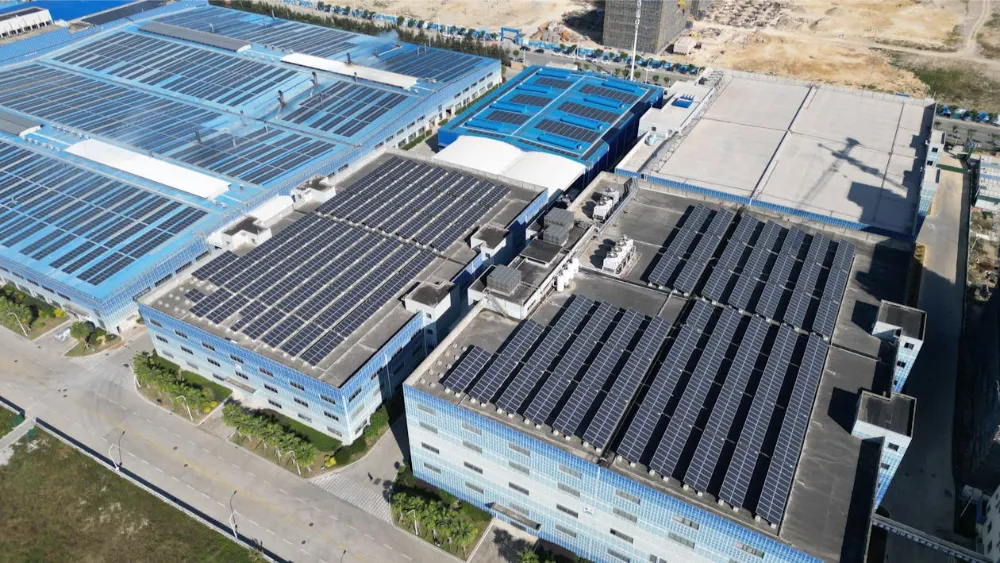
While a modern factory in Vietnam may carry a slightly higher base rent, it drastically reduces “hidden costs” that eat into your bottom line. This includes lower electricity bills through built-in solar arrays and thermal insulation, decreased insurance premiums via superior fire prevention systems (PCCC), and significantly reduced maintenance expenses.
This TCO approach perfectly justifies the Savills Premium price tag, ensuring you get true value rather than just cheap space.
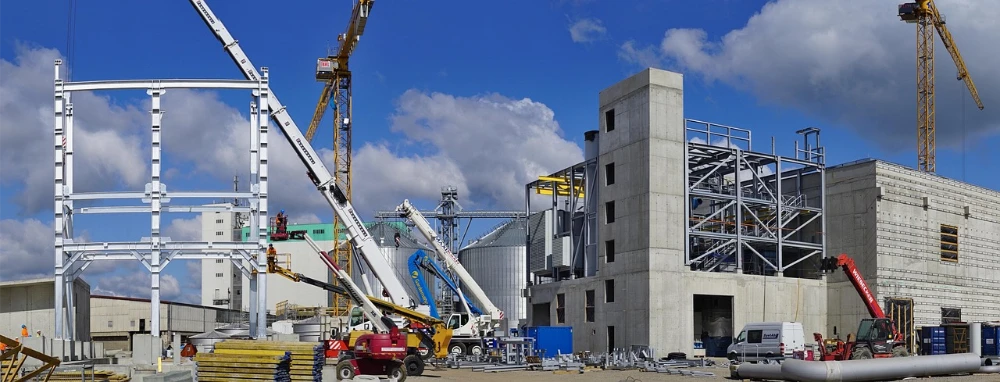
Human labor is no longer needed for repetitive tasks in these advanced environments.
Robots are used instead to lower the possibility of human mistakes, improve precision, and minimize the need for rest, thus boosting productivity. Besides, they protect human safety by carrying out dangerous and heavy labor. Research shows that applications for smart factories may boost output overall by 10%, efficiency by 11%, and productivity by 12%.
Furthermore, economic consulting predictions indicate that revenues in the industrial sector might rise to 38% by 2035 thanks to artificial intelligence.
Production line AI integration improves accuracy and efficiency while lowering scrap and defective goods. It helps companies examine market data and consumer input to improve products by predicting, monitoring, and reporting faults. This is a key driver for companies looking for a factory for rent in Ho Chi Minh City where quality control is paramount for export.
By utilizing technologies like artificial intelligence and other smart factory solutions, the factory’s machinery system can operate, monitor, measure, and analyze data automatically throughout production. This reduces costs, boosts productivity, and increases production efficiency, thereby enabling companies to gain market competitiveness.
The future of manufacturing relies entirely on green compliance and smart management systems to meet global trade requirements.
In 2026, sustainability isn’t optional. Because of the EU’s Carbon Border Adjustment Mechanism (CBAM), manufacturers in Vietnam must operate out of a green factory to export to Europe without facing heavy carbon taxes. This turns a modern factory in Vietnam from a “nice-to-have” into a legal necessity for global trade. You will now see the widespread prevalence of solar rooftops, rainwater harvesting, and wastewater treatment systems.
Aligning with Vietnam’s commitment to Net Zero, investors actively demand green certifications like LEED and LOTUS for export purposes.
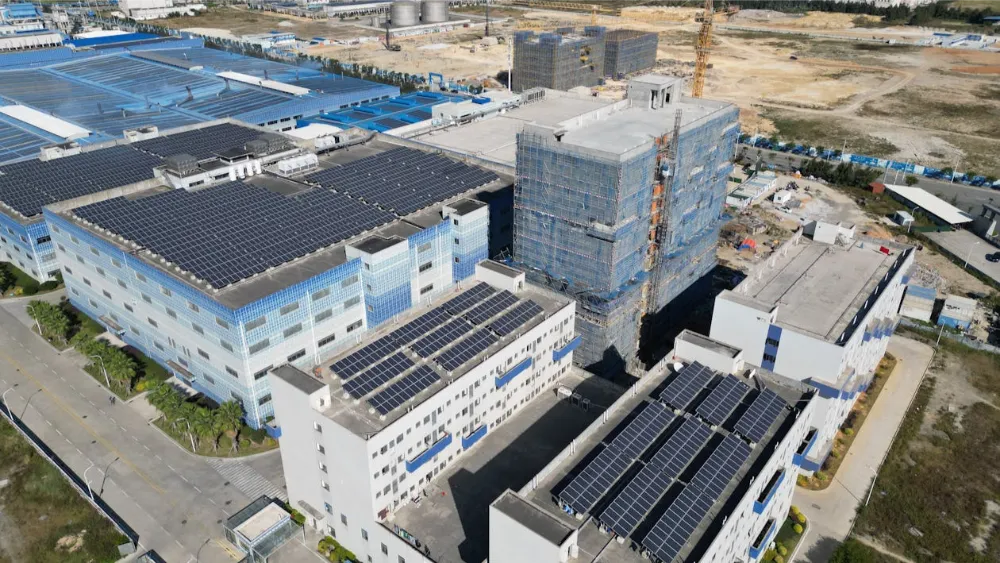
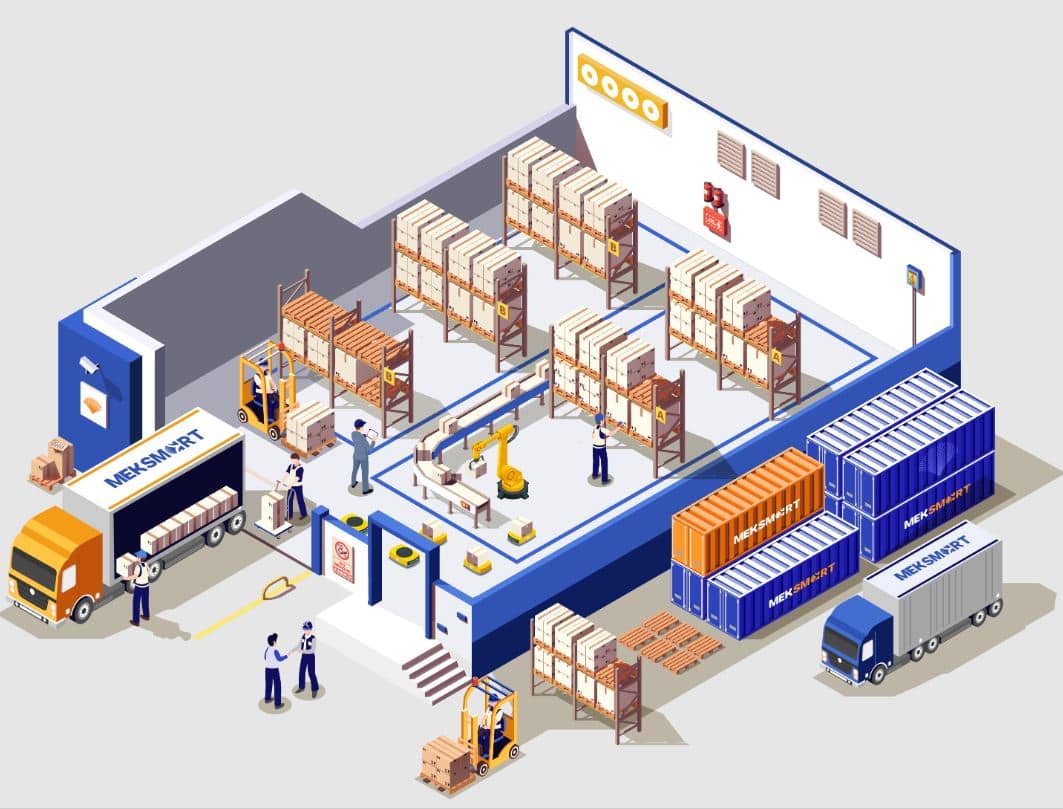
Besides, security and logistics have taken a massive leap forward. Facilities now utilize fingerprint and facial ID for access control, automated inventory management through Automated Guided Vehicles (AGVs), and smart energy grids that dynamically allocate power where it is needed most.
Therefore, the true game-changer is predictive maintenance. AI can now predict machine failure before it happens, paired with automated quality control cameras that instantly flag defects. This significantly reduces costly production downtime.
Ultimately, these modern facilities are essential gateways for entering high-value markets like the EU and the US, where strict proof of sustainable and ethical production practices is required to win major contracts.
Navigating high initial investments, skills gaps, and complex regulations requires expert guidance and strategic planning to ensure long-term success.
We acknowledge that while a modern factory in Vietnam costs more upfront or requires higher technological investment, the ROI is achieved much faster due to massive operational savings.
To solve this, Savills uses comprehensive data to “de-risk” your move. We audit the building’s “Smart-Readiness” and calculate your precise Total Cost of Occupancy (TCO) before you even sign a lease, giving you total financial clarity.
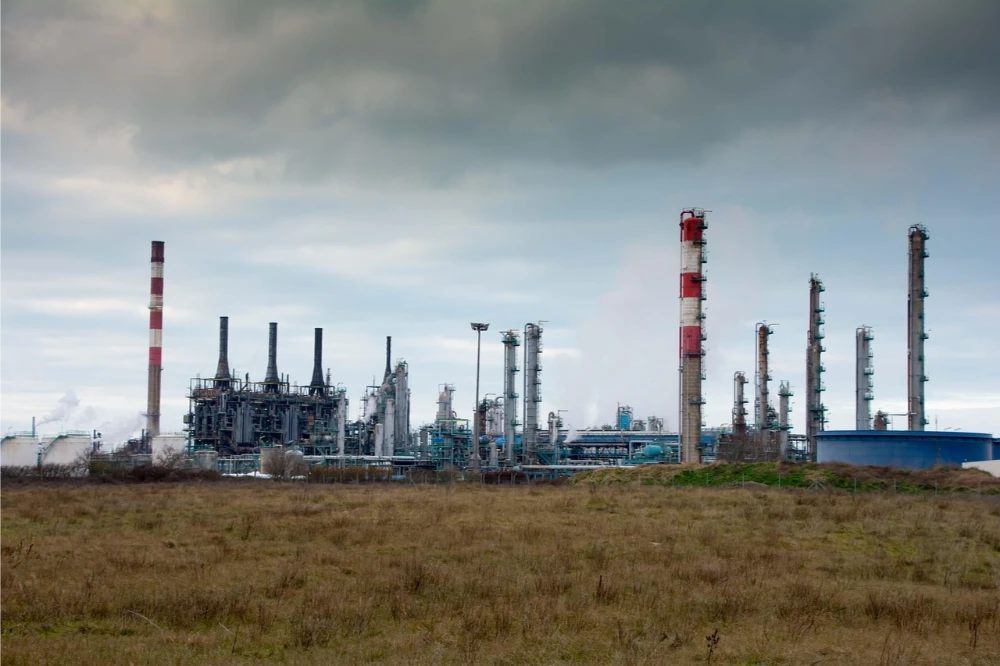
A common challenge is finding qualified labor to operate and maintain smart machinery. The solution lies in strategic location selection and community integration.
We advise partnering with local vocational schools or choosing sites with established, high-quality talent pipelines to ensure you have the skilled workforce you need from day one.
Navigating Vietnam’s environmental and construction regulations can be incredibly tricky for newcomers.
This is exactly where Savills steps in to bridge the gap. We don’t just find empty space; we act as your strategic advisors, consulting on compliance, available incentives, and workforce availability to ensure your setup is smooth.
Our team ensures you maximize government incentives while staying fully compliant, using our proprietary Power BI analysis and Industrial Property Scorecard to guide your bespoke location selection.
A modern factory in Vietnam equips a modern management system with new technology and skilled workers. The factories help businesses save time and money, increase productivity, and enhance product quality.
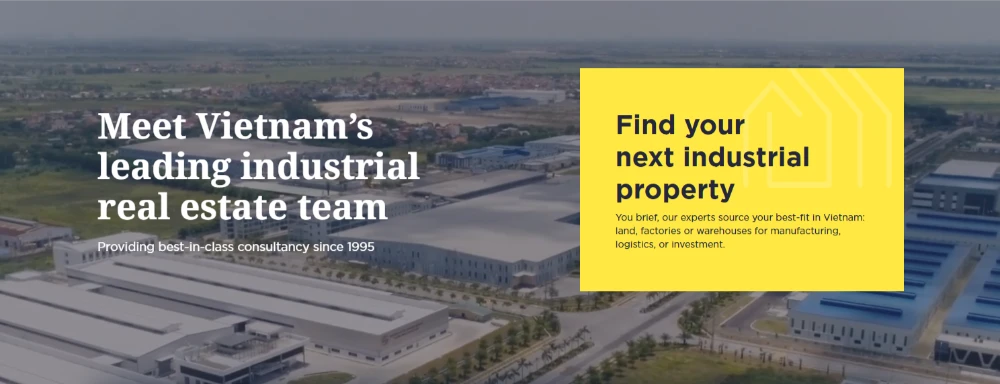
As the country aims to integrate more profoundly into the global supply chains, investing in modern factories in Vietnam can lead to sustained development and competitiveness.
Savills Industrial is a trusted partner for investors and businesses interested in Vietnam’s built-in factories. Our understanding of the country’s industrial real estate sector allows us to provide insightful guidance on navigating the rapidly changing landscape.
If you want to know more about this sector or other real estate, don’t hesitate to contact Savills.