29 May 2026


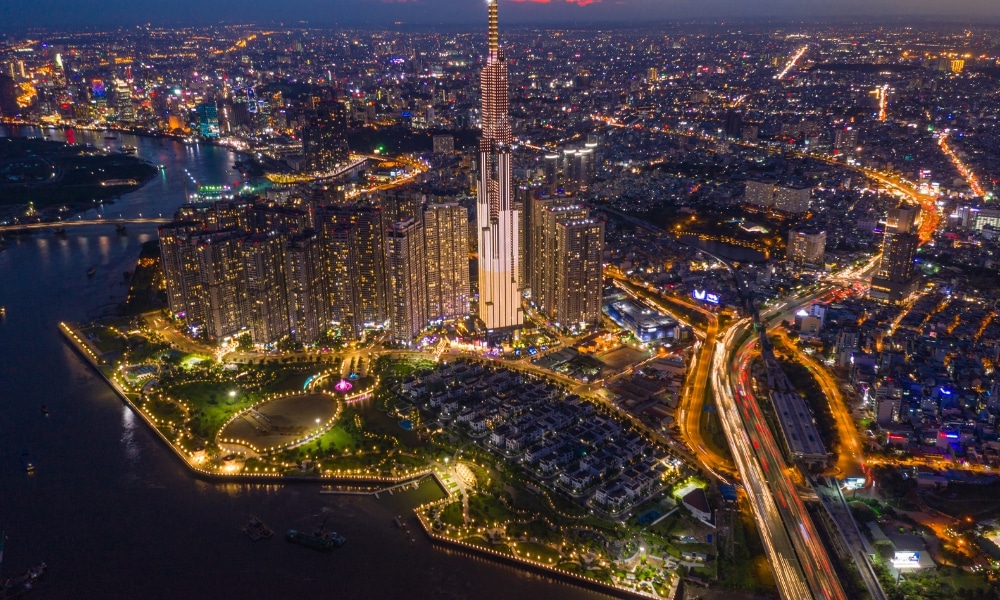
Vietnam is entering 2026 with the strongest industrial momentum we’ve seen, with GDP growth hitting a historic 8.02% and realized FDI reaching a record $27.62 billion.
For investors and operators investing in Vietnam in 2026, the most useful frame isn’t “should we enter?”, it’s “where is the investable supply, what’s it priced at, and what risks does Savills see no one fully pricing?” That’s what we’ll cover.
“Vietnam is entering 2026 with the strongest industrial momentum we’ve seen. With high-value FDI, accelerated infrastructure connectivity, and digital platforms, the market is moving from a growth phase into a larger-scale, higher-standard operational phase.”
– John Campbell, Director of Industrial Services, Savills Vietnam
Foreign Direct Investment into Vietnam is driven by the “China Plus One” supply chain shift, massive infrastructure development, and structural reforms targeting high-value tech manufacturing and green energy.
For those investing in Vietnam, this creates a highly attractive, yet complex, environment for long-term capital deployment.

The Core FDI Drivers:
– Supply Chain Diversification: Multinationals continue to aggressively relocate manufacturing out of China to mitigate geopolitical risks, positioning Vietnam as the primary alternative in Southeast Asia. We are seeing this surge specifically in electronics, automotive components, and specialized manufacturing.
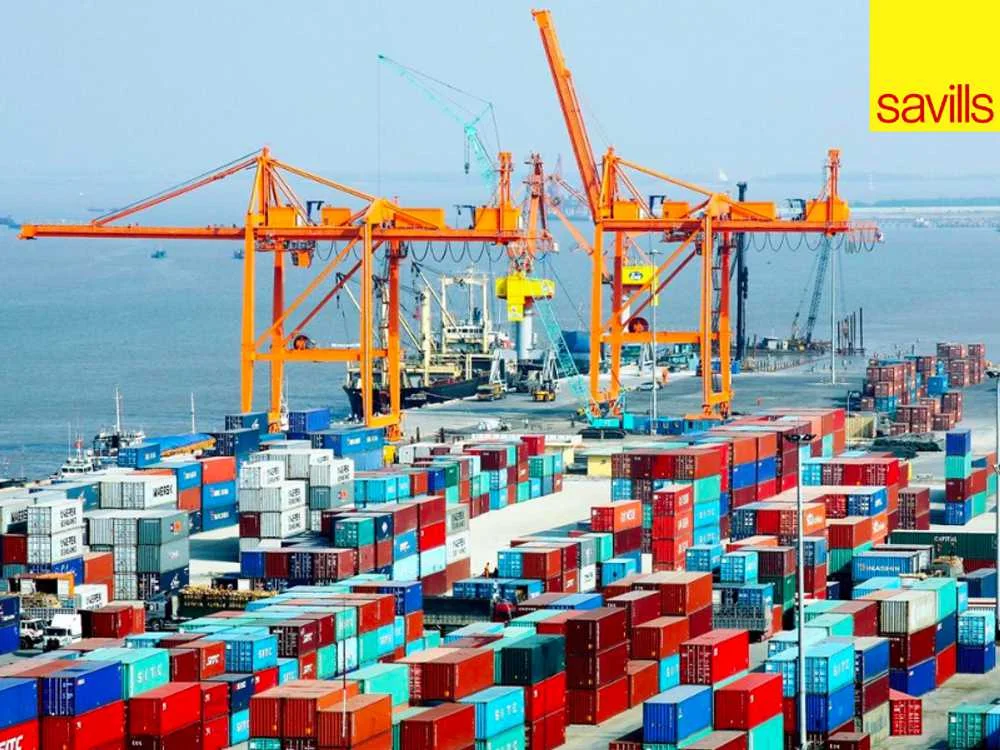
– Massive Infrastructure Push: Public investment is surging with year-over-year spending increases of 20-30%. The accelerated development of expressways, deep-water ports, and international airports is actively lowering logistics costs and unlocking entirely new industrial corridors.
– The Pivot to High-Tech Manufacturing: Investment is shifting from basic assembly to advanced production. Major semiconductor facilities from firms like FPT and Viettel in the Hoa Lac Hi-Tech Park highlight the country’s push into the EV supply chain and renewable energy sectors.
– Global Minimum Tax Adaption: Following the 15% global minimum tax, the government pivoted from traditional income-based tax breaks to cost-based incentives. This smart transition encourages R&D, high-tech manufacturing, and green-industry development.
– Regulatory Modernization: Updated legal frameworks and the digitalization of administrative procedures have streamlined how foreign businesses obtain licenses and execute large-scale projects efficiently.
– Macroeconomic Stability: The State Bank of Vietnam has kept the dong stable and maintained reasonable interest rates, successfully curbing inflation and providing a reliable anchor for institutional capital.
Vietnam’s industrial real estate market shows nationwide occupancy rates between 80% and 85%, creating three distinct investment implications for anyone investing in Vietnam: developer-side returns remain highly competitive despite rising costs, tenant mandates face significantly longer lead times, and the North-South rental gap is narrowing rapidly.
Despite rising land acquisition and development costs, investor returns stay highly competitive because new industrial supply is absorbed quickly.
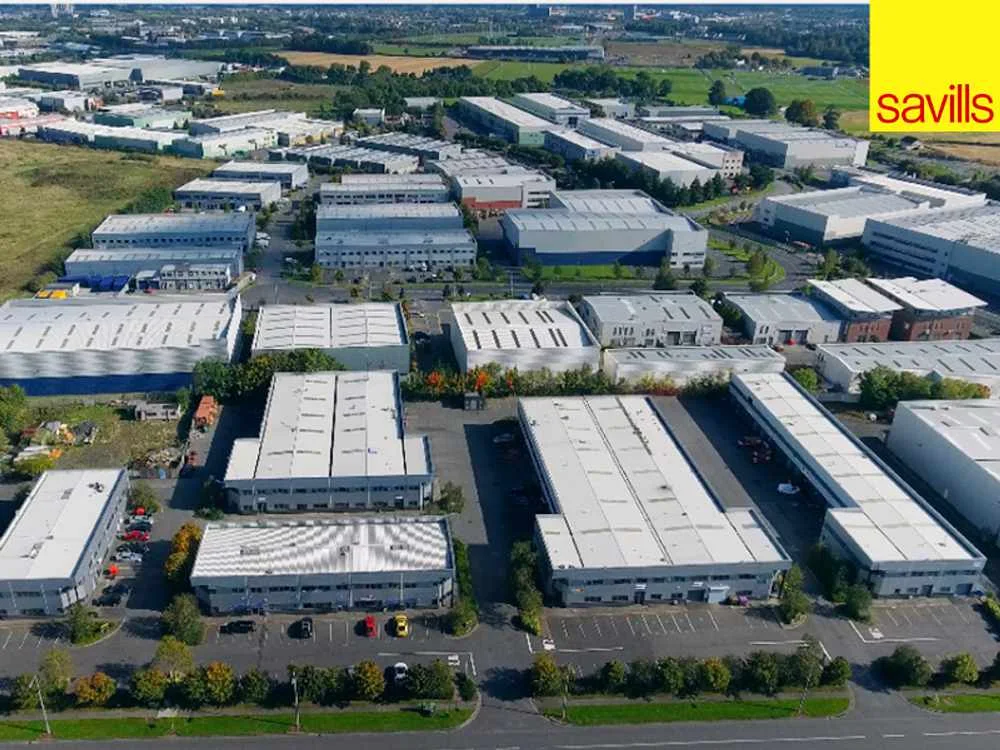
Developers focusing on modern, ESG-compliant infrastructure , like advanced wastewater treatment and integrated renewable energy , are successfully securing premium rental rates and long-term yields from high-value industries. We consistently see that sustainability features drive higher tenant retention.
Occupiers and multinational corporations face much longer site-search lead times compared to 2022.
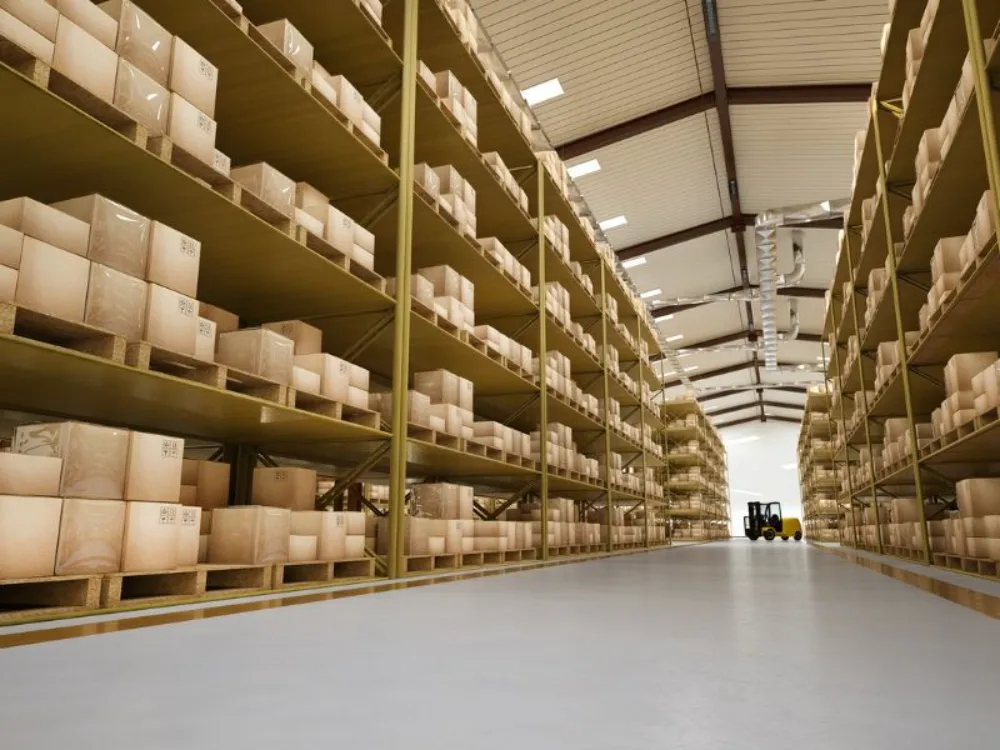
Because major hubs near Ho Chi Minh City and Hanoi operate near or above 90% capacity, available ready-built factory and land footprints are exceptionally scarce.
Tenants must now engage in rigorous due diligence and expand their search into satellite provinces to secure required spaces.
The historical rental rate disparity between Northern and Southern Vietnam is rapidly narrowing. While Southern locations still command top-tier rents, the North is enhancing its operating-cost competitiveness.
Supported by the North-South Expressway expansion and deep-water port operations in Hai Phong, the North has quickly absorbed heavy manufacturing and electronics investments, creating excellent new value corridors.
Vietnam’s 2026 industrial investment focus has shifted from low-cost land banking to scale, quality, and supply-chain efficiency, meaning investing in Vietnam now requires a strategic pivot toward developer-led, ESG-certified, and infrastructure-linked assets.
To see exactly how this shift unfolded, review our Industrial Insider 2025.
Generic land banking is phasing out entirely. Institutional focus is moving toward high-quality, ready-built factories and assets pre-anchored to tier-one, high-value tenants.
Furthermore, parks must be pre-certified and designed to meet stringent global corporate sustainability standards from day one.
Site selection now heavily prioritizes power redundancy, digital connectivity, and green-building specifications over bare land cost.
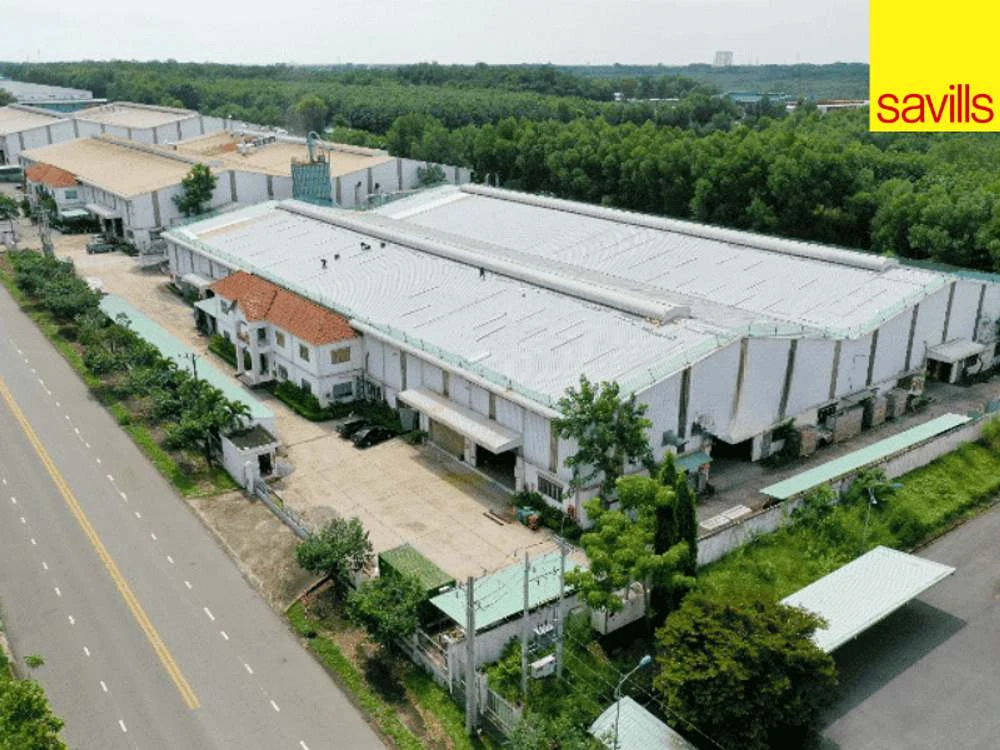
Occupiers are increasingly choosing specialized ready-built facilities to test regional markets rather than defaulting to large-scale, custom self-build projects.
Let our Savills Industrial Services team identify your optimal approach.
Investments and site selections are now priced against a transformative post-2026 reality.
Long Thanh International Airport’s Phase 1, Ring Road 3, and the Bien Hoa-Vung Tau expressway will dramatically boost cargo capacity and reduce logistics costs. Prime assets situated along these upgraded routes will command a distinct premium.
Explore these shifting dynamics in our report on Warehousing, Semiconductors, Data Centres: Three Drivers Shaping Viet Nam’s Industrial Real Estate In 2026.
The fundamental challenge of constrained quality supply persists, making investing in Vietnam in 2026 a capability play rather than a cost-arbitrage play.
For investors and occupiers, the read is simple: success depends on recognizing that Vietnam has matured beyond basic manufacturing into a sophisticated, high-standard operational ecosystem.

The winners will be those who strategically position themselves around scale, quality infrastructure, and long-term vision.
Brief our industrial team on your Vietnam investment or site requirement. We will advise against your scale, sector, and timeline parameters.
– John Campbell, Director of Industrial Services, Savills Vietnam
Understanding the most common questions about investing in Vietnam helps clarify the opportunities and challenges that lie ahead for investors in 2026.
Yes, improved highway connectivity has made satellite provinces highly viable by reducing transit times to major deep-water ports. These areas often provide larger land footprints and better pricing than saturated primary hubs.
Retrofitting for ESG compliance or specialized power needs often incurs massive capital delays and operational disruptions. Building these specifications into the initial lease or design phase is significantly more cost-effective.
Long Thanh will drastically cut cargo transit times currently bottlenecked at Tan Son Nhat, directly benefiting logistics-heavy tenants. Industrial parks within a one-hour radius will experience the most immediate valuation uplift.
The North is leveraging its proximity to China and a strong local electronics supplier base to attract heavy manufacturing. Meanwhile, aggressive port expansions are rapidly closing the historical logistics gap with the South.