27 June 2026


What is flex industrial space? It’s Vietnam’s fastest-growing 2025-2026 real estate segment, spanning RBFs, RBWs, and BTS facilities. Driven by USD 38.42 billion in FDI in 2025 (Ministry of Finance) and rapid expansion of ready-built supply in Southern Vietnam (Savills Vietnam Industrial Insider 2025), flex industrial space cuts setup to just 3-6 months compared to 18-24+ months for greenfield builds (IDEC Group Vietnam 2026), meeting demand from the growing e-commerce, EV, and China+1 manufacturing shift.
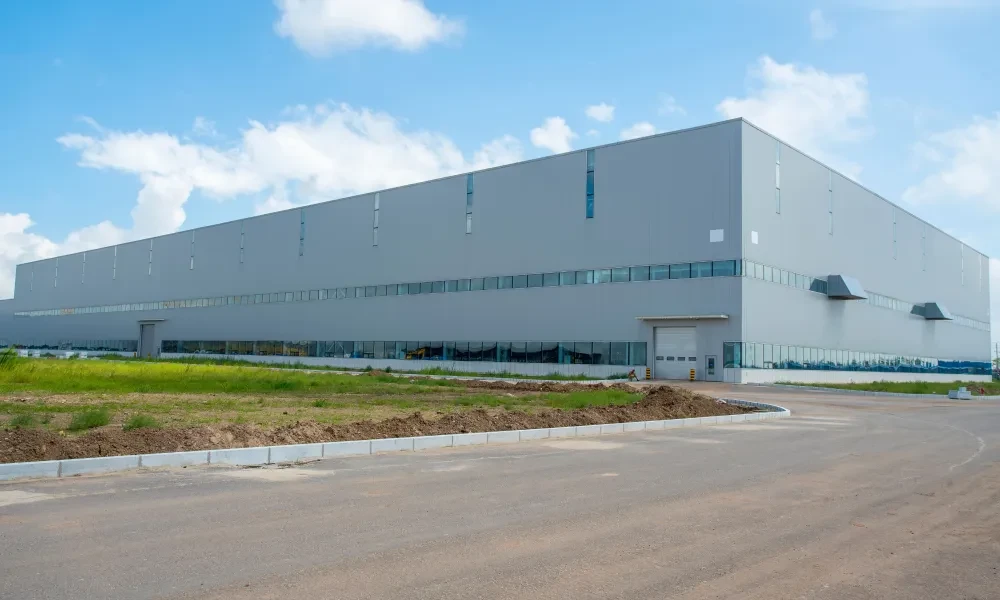
In this post, we’ll discuss what flex industrial space actually means in Vietnam 2026, why it’s reshaping site selection, and what occupiers/investors need to know. In addition, we will show you how to find ideal industrial flex buildings.
Continue reading to find out why flexible industrial space is one of Vietnam’s fastest-growing real estate segments for 2026 investors.
“Multinational corporations or large manufacturers still prioritise long-term leases or build-to-suit models to secure space and control costs. But flexibility and strategic accessibility have become key criteria in site selection, particularly for new market entrants from China, Korea, and Europe favouring shorter contracts to test the market.”
— John Campbell, Head of Industrial Services, Savills Vietnam, September 2025
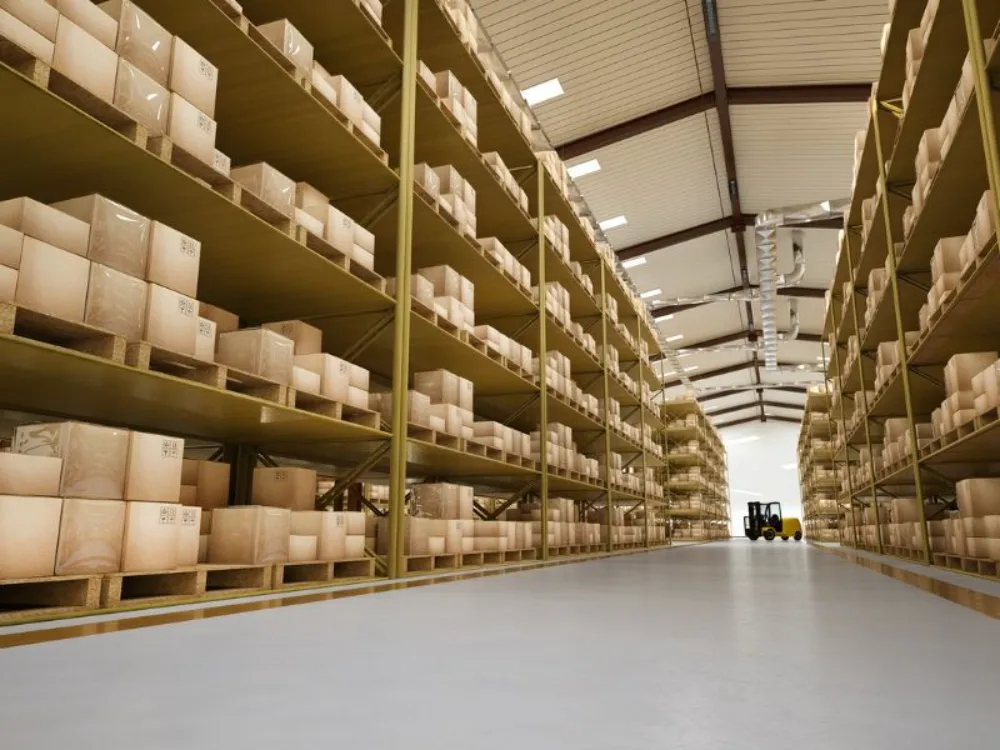
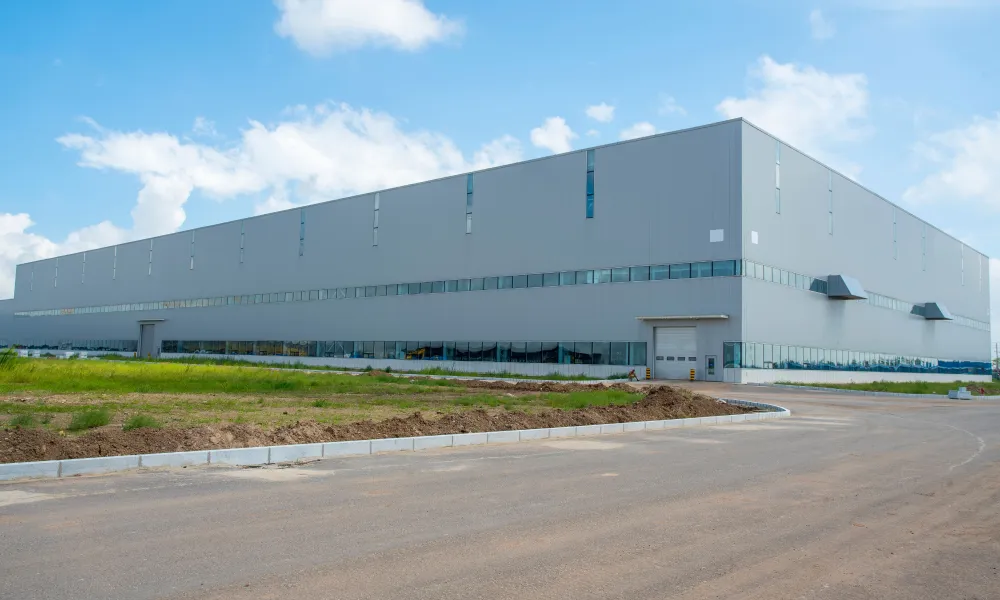
Flex industrial space in Vietnam combines manufacturing, warehousing, and supporting office space within a single facility, designed for occupiers needing scalable footprint and faster speed-to-market than traditional greenfield builds.
This business property is a warehouse-style facility with built-in office space and shorter lease terms (typically 1-3 years) than traditional office leases. Its adaptability across manufacturing, warehousing, and administrative uses makes it a preferred option for occupiers requiring operational flexibility.
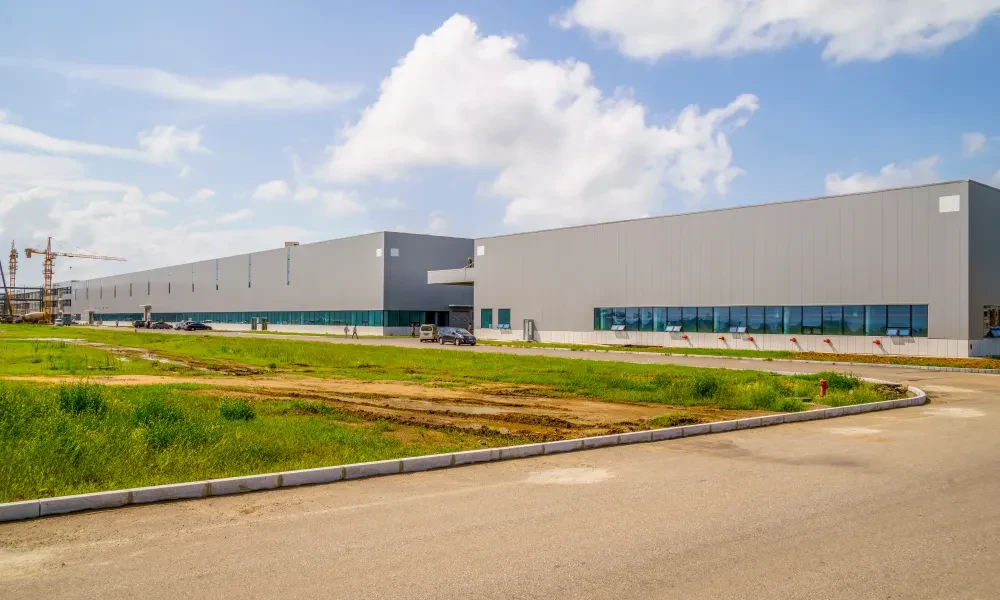
Four forms of flex industrial space in Vietnam 2026:
There are elements differentiating flex industrial space from other counterparts, including:
| Feature | Flex Industrial Space | Traditional Industrial Space |
| Lease Term Length | 1 to 3 years; agile and short-term contracts. | Multi-year commitments (5-10+ years); rigid contracts with heavy penalties |
| Lower Upfront Capital | Pre-built with office infrastructure; lower renovation costs. | Delivered as an empty box; requires heavy capital for build-outs. |
| Multi-Functional & Scalable | Combines administration, inventory, and showroom in a single unit | Focuses entirely on storage density and logistics throughput. |
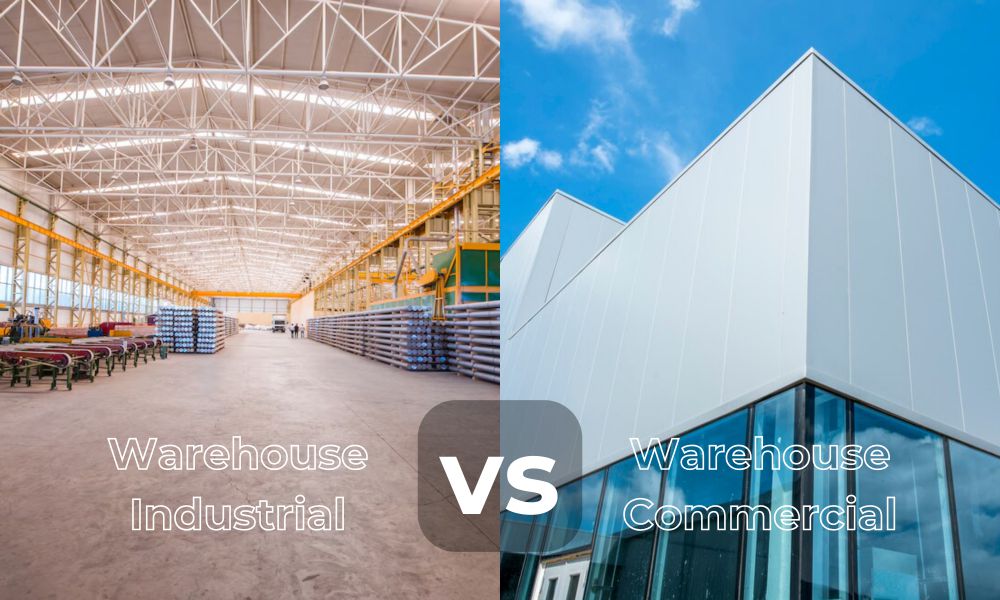
| High Specifications | Professional finishes, large windows, and modern HVAC. | Heavy-duty functionality, massive docks, and reinforced floors. |
| Strategic Location | Suburban business parks and mixed-use zones for easy commuting. | Highway corridors and seaports to maximize freight mobility. |
| Affordable Lease Structure | Consolidates functions, saving on duplicate operational costs. | Large footprints mean paying for unused square footage. |
Flex industrial space differs from traditional real estate in lease term length because it offers agile contracts of one to three years, compared to rigid multi-year commitments.
This shorter timeline makes it perfect for startups needing to pivot quickly without heavy financial penalties.
Flex space requires lower upfront capital than traditional industrial real estate because units come pre-built with office infrastructure and air conditioning.
Traditional spaces deliver as empty boxes, forcing tenants to spend heavily on building out essential facilities from scratch.
Flex space is multi-functional and scalable because it efficiently combines administration, inventory, and showroom areas.
Traditional industrial space focuses almost entirely on storage density and supply chain throughput.
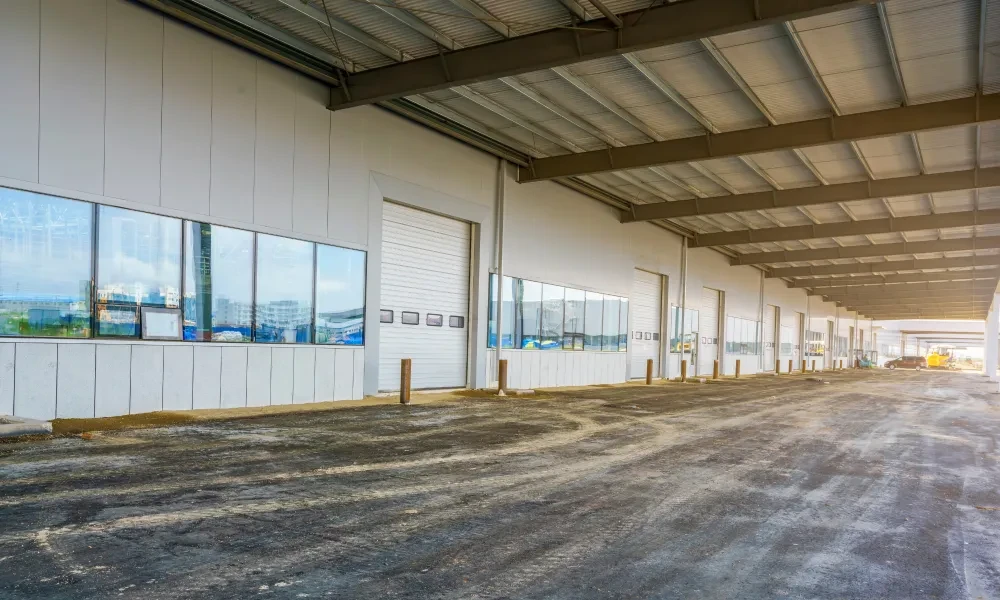
Flex space features high specifications like professional finishes, large windows, and modern HVAC to create an appealing environment.
Traditional industrial spaces prioritize heavy-duty functionality, focusing on massive truck docks and reinforced floors over aesthetics.
Flex space utilizes strategic locations in suburban business parks and mixed-use zones to prioritize employee commute convenience and client accessibility.
Traditional industrial space sits near highway corridors and seaports to maximize freight mobility over customer visits.
Flex space offers an affordable lease structure by consolidating office and warehouse functions into one location, saving on duplicate operational costs.
Traditional industrial space often forces businesses to pay for vast square footage they do not fully utilize.
Now you know “what is flex industrial space”. Investing in flex space industrial real estate is a stable and valuable way to make a profit, offering distinct advantages in today’s rapidly evolving market.
Vietnam’s e-commerce sector reached $28 billion in 2025, driving strong demand for flex industrial buildings.
With an 88% national RBF occupancy rate in Q3 2025 and 54% of new licensed FDI manufacturing projects opting for RBF leases, these facilities command higher rental rates and shorter lease-up times than legacy industrial assets.
Including flex industrial properties in investment portfolios helps lower risk and protect against downturns in other commercial real estate sectors.
Flex industrial offers lower correlation with office/retail real estate, serving as a hedge against single-tenant traditional industrial risk.
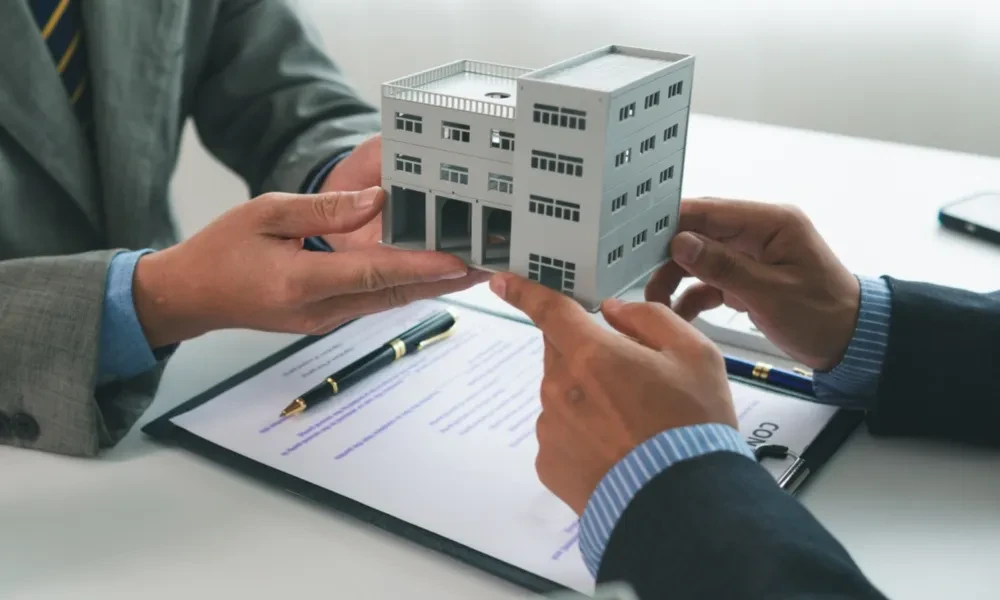
Flex industrial space in Vietnam offers accelerated returns by providing a quick way to start making and selling goods while cutting down on the costs of building new spaces from scratch.
Traditional factory construction takes 18 to 24 months, while flex spaces, like Ready-Built Factories (RBF) and Ready-Built Warehouses (RBW), let companies move in and start running in just 3 to 6 months.
This speed-to-market advantage, combined with Vietnam’s updated land and investment laws that support international ESG rules, makes flex industrial real estate for investors seeking LEED-certified or Green Mark-ready assets.
Consistent FDI inflows, totaling $38.4 billion registered, fuel steady leasing demand for adaptable spaces.
New legal reforms that shorten project timelines and improve market transparency stabilize long-term property values, while Vietnam’s 34.4% YoY e-commerce growth (9M 2025) drives sustained demand for urban-adjacent flexible warehouse hubs
While all groups benefit from Vietnam’s industrial growth, Multinational FDI entrants and SMEs in e-commerce benefit most directly. These spaces remove the burden of long-term construction and lower financial risk.
Multinational FDI entering Vietnam benefits from flex space through immediate speed to market and built-in ESG compliance features.”
Firms can lease ready-made units with utilities installed, allowing them to test local supply chains without the capital commitment of purchasing permanent land use rights.
SMEs and e-commerce fulfillment benefit most because flex spaces require minimal upfront construction capex, with tenants only paying for fit-out and interior configuration.
This allows small businesses to test product viability while utilizing urban flex warehouses for rapid last-mile delivery to major cities like Hanoi and Ho Chi Minh City.
Manufacturers in supply chain restructuring benefit by renting turnkey, Ready-Built Factories to start production lines immediately.
This rapid deployment allows them to invest capital into core machinery and worker training rather than lengthy construction projects, directly aligning with China+1 shift.
Logistics and 3PL operators benefit from flex space due to its proximity to major manufacturing zones and scalable multi-client storage.
Grade-A features like high ceilings and wide dock doors allow these providers to run automated sorting and digital tracking systems.
What is flex industrial space? It represents a versatile real estate solution blending office and industrial features to deliver operational flexibility and yield potential in Vietnam’s 26%-market-share industrial segment. Investing in flex properties offers institutional investors exposure to Vietnam’s manufacturing FDI cycle with shorter lease-up timelines than traditional industrial assets
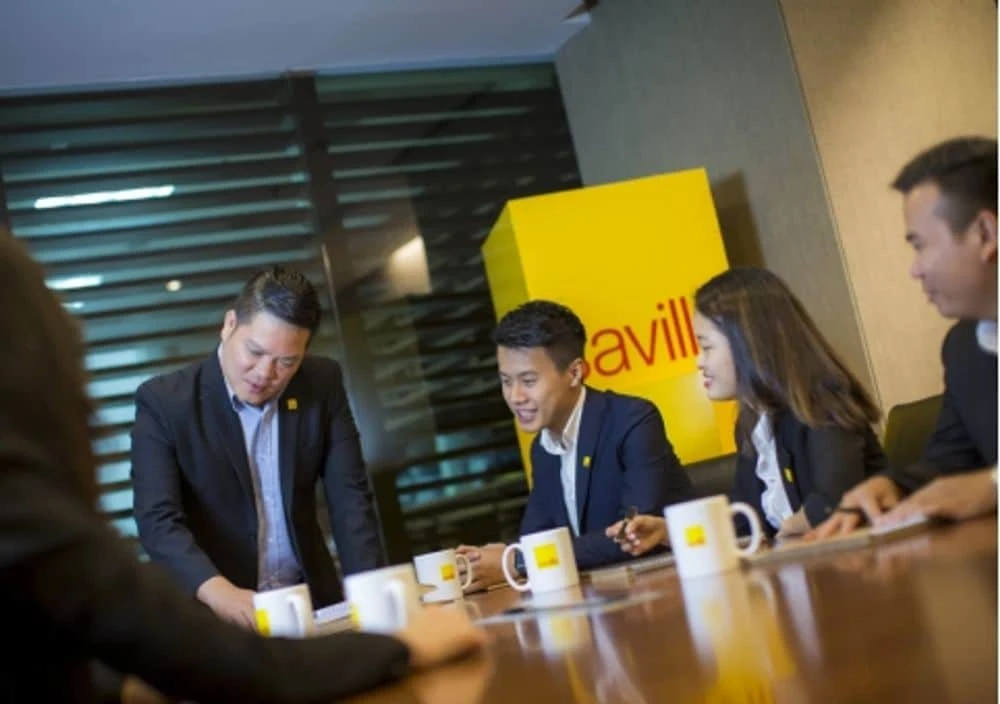
For those looking to make a safe and profitable investment, contact Savills Industrial today. We are here to help you find the ideal property to meet your specific needs.
If you are still asking “what is flex industrial space”, these frequently asked questions will help clarify its unique advantages for your business.
Yes, many modern Ready-Built Factories feature reinforced floors and high clear heights designed specifically to support heavy machinery and automated production lines safely.
While base rent covers the space, utilities like electricity and water are usually metered separately and paid by the tenant based on their actual monthly usage.
You should calculate your current inventory levels, office headcount, and expected growth over the next two years to select an appropriately sized facility.
Because flex spaces feature high-end office finishes and modern HVAC systems, they can often be retrofitted into traditional office environments more easily than standard warehouses.
Most reputable parks provide 24/7 security guards, CCTV surveillance, controlled access gates, and integrated fire protection systems to safeguard tenant assets.