20 June 2023


Vietnam’s industrial real estate market has moved into one of its most active phases in a decade. In the first half of 2026, registered foreign direct investment reached approximately US$34.65 billion, a 61% year-on-year increase (General Statistics Office), with disbursed capital of US$13.03 billion marking the highest first-half level in five years. Real estate ranked as the second-largest FDI recipient sector after manufacturing, drawing US$3.67 billion in 2025 (21.2% of registered capital), while Southern industrial land occupancy reached 90% and ready-built factory occupancy hit 92% (Savills Industrial Insider 2025).
Vietnamese law, however, differs fundamentally from many overseas frameworks. Land is state-owned; foreign individuals cannot own industrial land directly. Ownership is exercised through long-term land use rights, typically via a foreign-invested enterprise (FIE). This guide covers the seven sequential steps to acquiring industrial property in Vietnam, updated for Land Law 2024, Housing Law 2023, Real Estate Business Law 2023, and Law on Investment 2025.
“Flexibility and strategic accessibility have become key criteria in site selection.”
— John Campbell, Director of Industrial Services, Savills Vietnam, September 2025
Following the administrative merger effective 1 July 2025 under Resolution 202/2025/QH15, Vietnam transitioned to a 2-tier administrative structure (Province → Commune/Ward). Binh Duong is now part of Ho Chi Minh City; Hai Duong is now part of Hai Phong. Property files and permit issuance geography have shifted, and first-time ownership certificates are issued at commune-level People’s Committees.
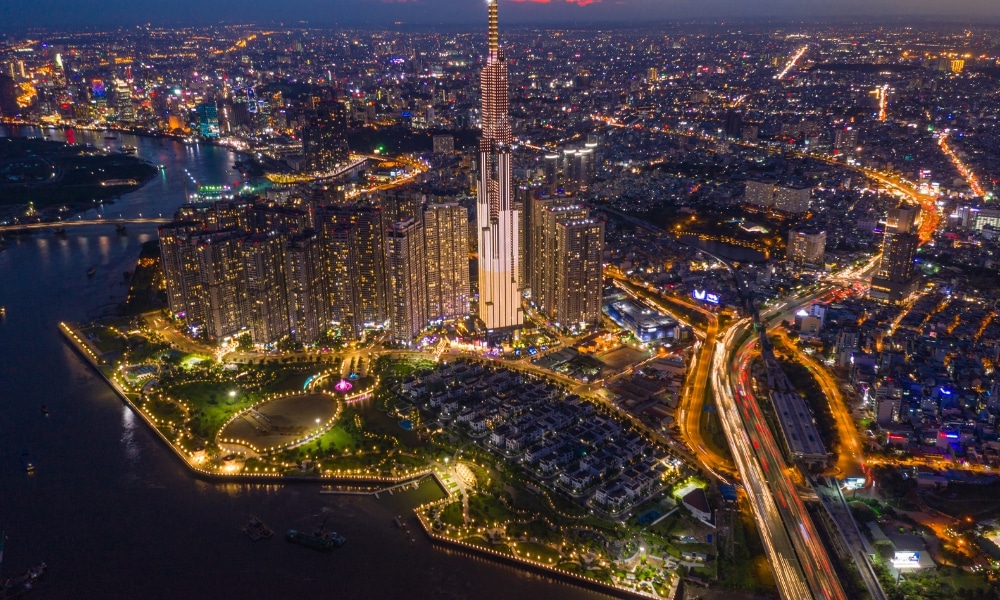
Key locations for industrial property include the HCMC metro (including the former Binh Duong province), the northern hubs of Bac Ninh, Hai Phong, and Hung Yen with their electronics and semiconductor ecosystem anchored by LG Innotek, Samsung, and Foxconn, and central and southern emerging areas like Da Nang and the Long Thanh corridor, which benefit from Long Thanh International Airport operational H1 2026. Established industrial parks include VSIP (multiple provinces), Long Hau (HCMC), Amata (Dong Nai), and Deep C (Hai Phong).
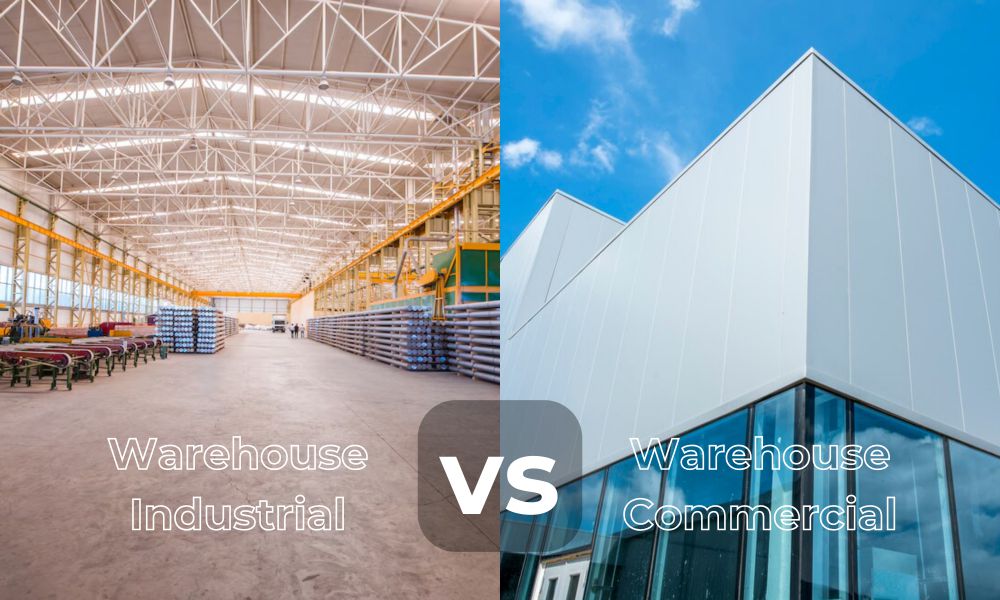
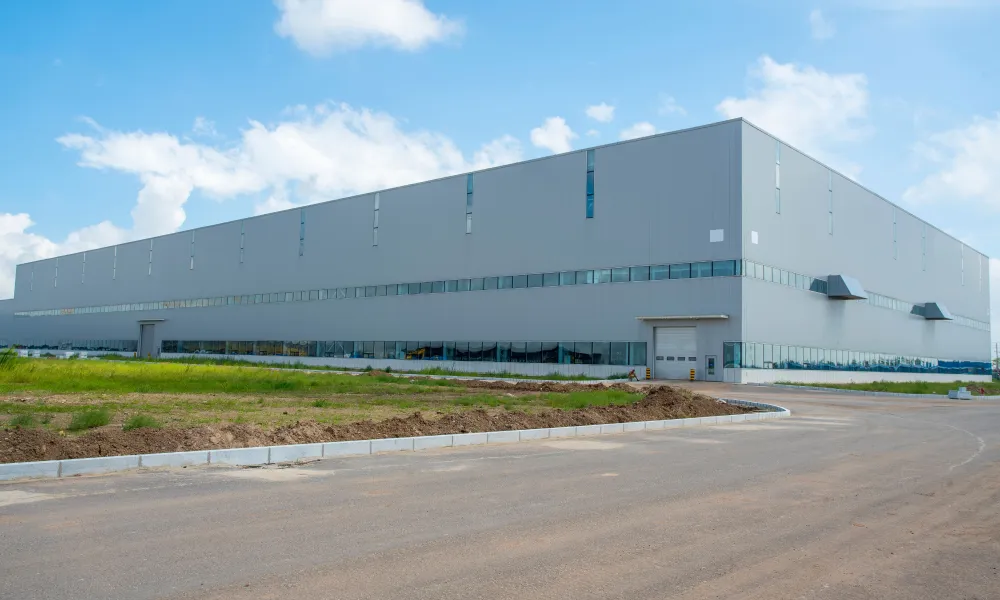
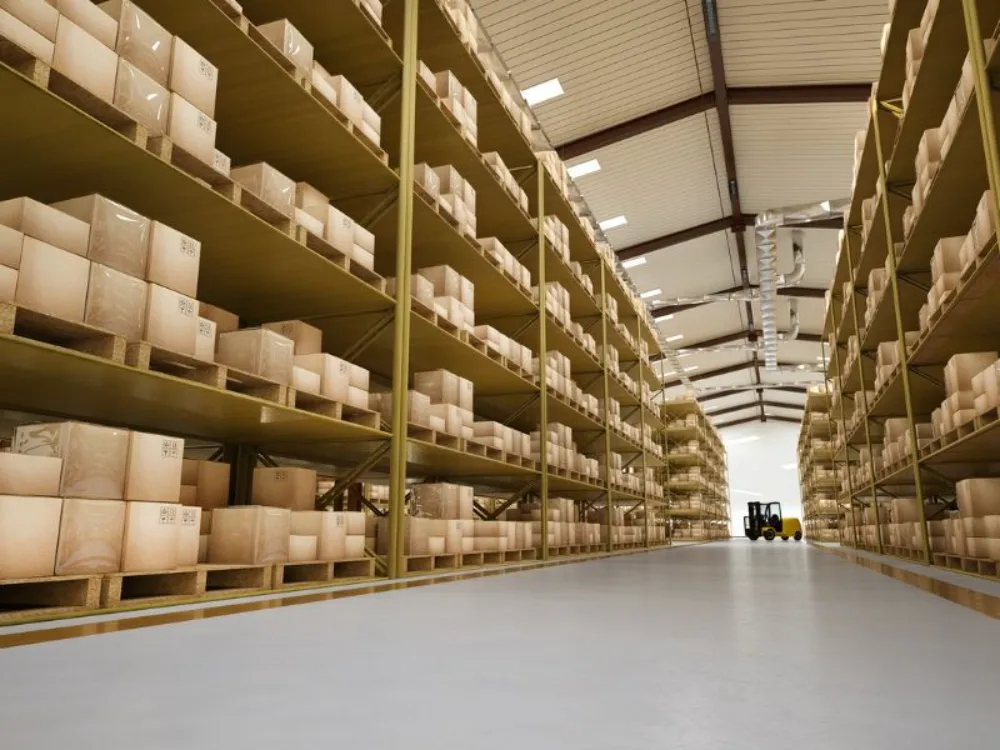
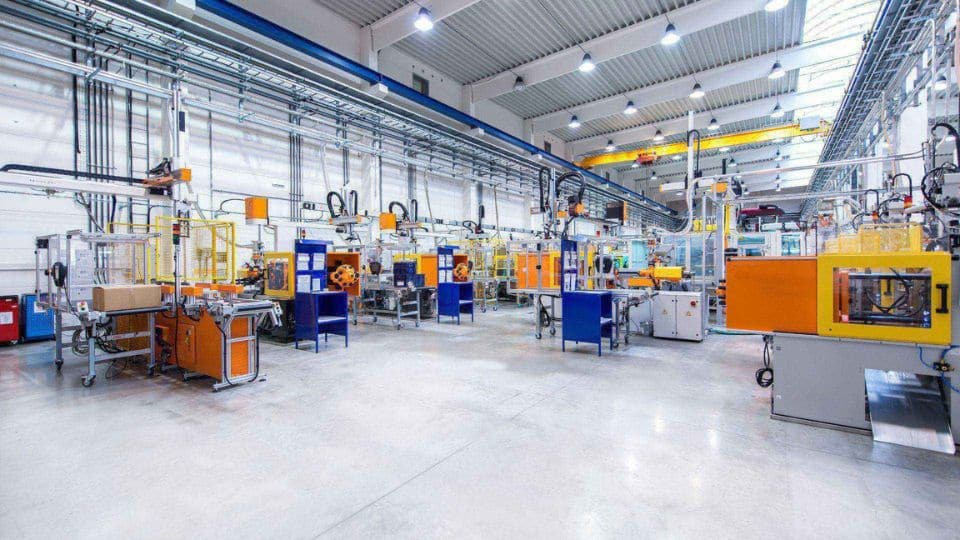
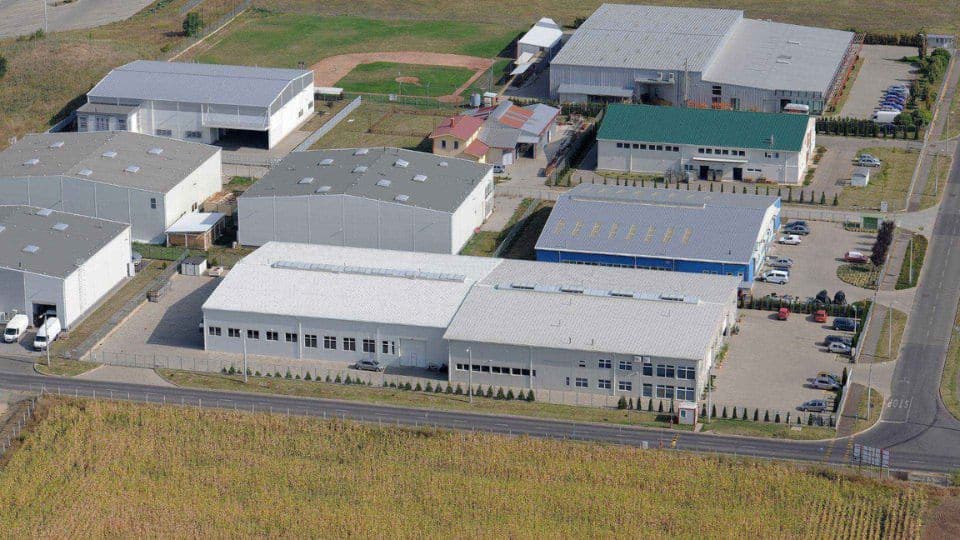
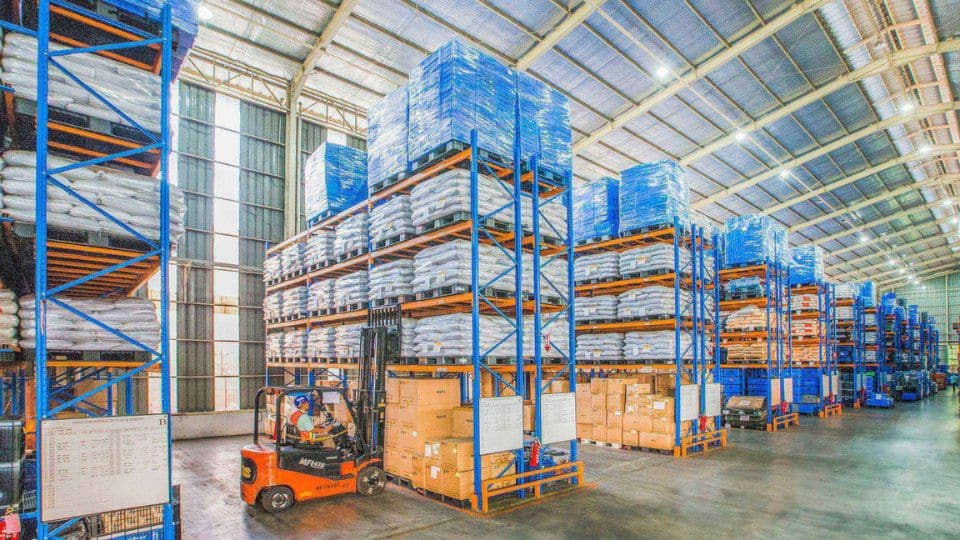
Industrial property categories foreign buyers commonly consider include factories (built-to-suit or ready-built), ready-built warehouses (RBW) and ready-built factories (RBF) — 62% of newly registered FDI projects in 2025 chose ready-built facilities (Savills Industrial Insider 2025), driven by 3–6 month setup versus 18–24 months for greenfield (IDEC Group Vietnam 2026) — industrial land under long-term lease through FIE structures, and logistics centers and distribution facilities.
Before any site visit, determine your ownership vehicle. A foreign-invested enterprise (FIE) is required for industrial land; individual ownership is only permitted for eligible residential (apartments and landed housing in commercial developments).
Under Housing Law 2023 and Decree 95/2024/ND-CP, foreign ownership is capped at 30% of units per apartment building and 250 landed units per ward-equivalent area (population ~10,000).
Under Land Law 2024 (Article 172), land use rights run 50 years for industrial investment projects, extendable to 70 years for eligible projects in industrial parks, high-tech zones, or economic zones.
Business licensing is governed by Real Estate Business Law 2023 and Law on Investment 2025 (Law No. 143/2025/QH15, effective 1 March 2026), which now allows Enterprise Registration Certificate issuance before or alongside the Investment Registration Certificate (IRC).
Define budget, location, property type, and business model fit. Data sources include Savills Industrial market reports, official industrial park listings, and Ministry of Finance FDI statistics. Verify proximity to Cat Lai, Cai Mep, or Lach Huyen ports; Tan Son Nhat, Long Thanh, or Noi Bai airports; and Ring Road 3 HCMC, Highway 5, and other logistics corridors.

2025-2026 benchmark data (Savills Industrial Insider 2025): Southern industrial land averages US$191/sqm/lease term at 90% occupancy; Southern RBF averages US$4.4/m²/month at 92% occupancy; Northern industrial land averages US$141/sqm/lease term at 86% occupancy; Northern RBW averages US$5.1/m²/month.
Vietnamese industrial acquisitions typically require legal counsel with FDI and real estate specialization (Law on Investment 2025, Land Law 2024, Real Estate Business Law 2023), a real estate advisor with industrial market coverage and industrial park network, a tax advisor for VAT, corporate income tax, transfer tax, and land use rent planning, and an environmental consultant for Environmental Impact Assessment (EIA) under Decree 08/2022/ND-CP if construction is planned.
Legal DD covers the Land Use Rights Certificate (“Red Book”), Construction Permit, IRC, Enterprise Registration Certificate (ERC), ownership chain, encumbrances, litigation history, and zoning compliance.
Technical DD covers soil condition, drainage, floor loading, utility capacity, environmental history, and fire safety compliance under Vietnam’s current National Technical Regulation on Fire Safety (QCVN 06 series) and Decree 105/2025/ND-CP.
Financial DD covers outstanding tax, land rent, utility arrears, and maintenance fees.
Verify with the local land registration authority (commune-level People’s Committees since 1 July 2025) and the Investment Registration Agency for FIE ownership vehicle.
Local banks (Vietcombank, BIDV, Techcombank, VietinBank) typically require 20–40% down payment depending on borrower profile, VND-denominated, with terms of 5–15 years.
Foreign banks operating in Vietnam (HSBC, Standard Chartered, UOB) offer credit products to qualifying FIEs, with loan currency and structure varying by borrower.
Equity and investor pooling is common for larger industrial acquisitions.
Green financing is growing, particularly for LEED-certified or ESG-compliant facilities. Vietnam ranked 8th globally for LEED-certified floor area in 2025, with 2.6 million square meters certified across 100 projects, up from 28th in 2023 (USGBC/GBCI, February 2026).
Typical eligibility requirements include a valid IRC, minimum 2 years operating history in Vietnam, audited financial statements, and collateral (usually the property itself).
Deposit is typically 5–10% of purchase value, held in escrow. Key negotiation points include hand-over condition, defect liability period, existing tenant transfers, and IRC transfer or reissuance. A Letter of Intent is customary for Vietnam industrial deals, outlining binding versus non-binding terms.
Vietnamese business practice favors relationship-building, face-to-face meetings, and patience over aggressive posture. Local intermediaries (agents, lawyers) help bridge negotiation styles.
Sale and Purchase Agreement (SPA) drafting follows Real Estate Business Law 2023, including mandatory contract elements: property description, price, payment schedule, hand-over timeline, and dispute resolution.
Notarization or authentication is by mutual agreement of the parties under Notary Law 2014 and Real Estate Business Law 2023 provisions, not automatically mandatory for commercial transactions, but strongly recommended for foreign buyers.
Ownership transfer happens at Land Registration Office processing at commune-level People’s Committees under the post-1 July 2025 administrative structure.
Tax obligations at transfer include registration fee (0.5% of property value), personal income tax on seller side (2% of transfer price, per PIT Law 109/2025/QH15 effective 1 July 2026), VAT (10% on new units from developer, typically included in the quoted price), and a mandatory 2% maintenance fund contribution for apartment buyers where applicable.
Property ownership carries continuing obligations including annual land use rent (for state-leased land) or land use tax, corporate tax filings on rental income (20% CIT), environmental and fire safety reporting, and property insurance.
If leasing the property to tenants, use standard tenancy documentation under Real Estate Business Law 2023, with rent escalation clauses (typically 3–5% annually or CPI-linked) and clear deposit management terms.
For assets serving multinational tenants, consider LEED, ISO 14001, GDP (for pharmaceutical), or HACCP (for food) certifications, all of which are increasingly baseline expectations.
The ready-built shift continues: 62% of newly registered FDI projects in 2025 opted for ready-built facilities rather than greenfield development, with 3–6 months setup versus 18–24 months for greenfield (Savills Industrial Insider 2025, IDEC Group Vietnam 2026).
Southern land scarcity, with 90% occupancy, is driving developers north (Hai Phong, Bac Ninh, Hung Yen) and to secondary provinces (Tay Ninh, Long An).
LEED-certified ready-built warehouse and factory projects command rental premiums; logistics and distribution projects recorded especially strong growth in the 2025 global LEED rankings (USGBC/GBCI 2026).
Regulatory changes to factor in include Land Law 2024 (effective 1 August 2024), which introduced payment method flexibility and a clearer 50/70-year framework; Housing Law 2023 and Decree 95/2024/ND-CP (effective 1 August 2024), which codified foreigner ownership caps; PDPL 91/2025/QH15 (effective 1 January 2026), which sets data protection compliance for platforms and businesses handling personal data; Law on Investment 2025 (effective 1 March 2026), which introduced the ERC-before-IRC option, streamlined the conditional business line list, and formalized “special investment procedures” green channel via Decree 96/2026/ND-CP; and Resolution 202/2025/QH15 (effective 1 July 2025), which enacted provincial mergers affecting administrative jurisdiction and permit routing.
Buying industrial property in Vietnam offers strong potential returns given the market’s structural growth, but the process requires careful navigation of foreign ownership rules, land use rights structure, and multi-step regulatory compliance. Timing, entity structure, and site selection compound over the 50–70-year use rights horizon, and decisions made at Step 1 shape returns for decades.
For advisory on Vietnam industrial property acquisition, site selection, FIE entity structuring, due diligence, or lease-versus-purchase decision analysis, the Savills Industrial team is available to advise based on specific business requirements, target sector, and project timeline.
Mr. John Campbell, Head of Industrial Services, Savills Vietnam. Hotline: +84 986 718 337.