16 September 2026


Foreign direct investment in Vietnam reached US$34.65 billion in registered capital in the first half of 2026, a striking 61% year-on-year increase, according to the National Statistics Office. Disbursed capital reached USD 13.03 billion over the same period, up 11.2% and the highest first-half implementation level in five years.
Yet the real story goes beyond volume. New investment is becoming larger and increasingly concentrated in manufacturing, electronics, and other higher-value industries. This guide sets out what the 2026 data shows, which sectors and investors are driving it, and what it means for occupiers and investors weighing industrial property decisions in Vietnam.
Foreign direct investment in Vietnam is a long-term commitment from overseas, in which foreign individuals or companies bring capital, assets, or technology into the country to build and operate businesses they’ll actively manage.
Under Vietnamese law, it includes the money and assets foreign investors commit to carry out business and investment projects. For companies making that leap, it typically means building factories, establishing subsidiaries, or forming joint ventures, and committing for the long haul.
Ownership rules are refreshingly flexible in many industries. Manufacturing and high-tech ventures can often be 100% foreign-owned, while sensitive sectors such as banking and certain services maintain foreign ownership caps. Establishing the applicable cap early avoids restructuring later in the process.
Just as important is where the money is heading. Vietnam is no longer chasing basic assembly work. National policy now prioritizes high-quality, sustainable inflows into high-tech manufacturing, electronics, green energy, and digital infrastructure rather than low-margin volume. For investors, that means the door is wide open in exactly the industries shaping tomorrow’s economy, with policy momentum and incentive structures are aligned in their favour.
Vietnam’s FDI figures for 2026 are turning heads, and for good reason. Foreign investors registered US$34.65 billion in the first half of the year alone, a 61% jump year-on-year. Within that total, authorities licensed 2,013 new projects worth USD 17.39 billion, with the number of projects up just 1.3% while newly registered capital rose 87.2%. Processing and manufacturing took USD 10.76 billion of that new capital, or 61.9% of the total (National Statistics Office, July 2026).
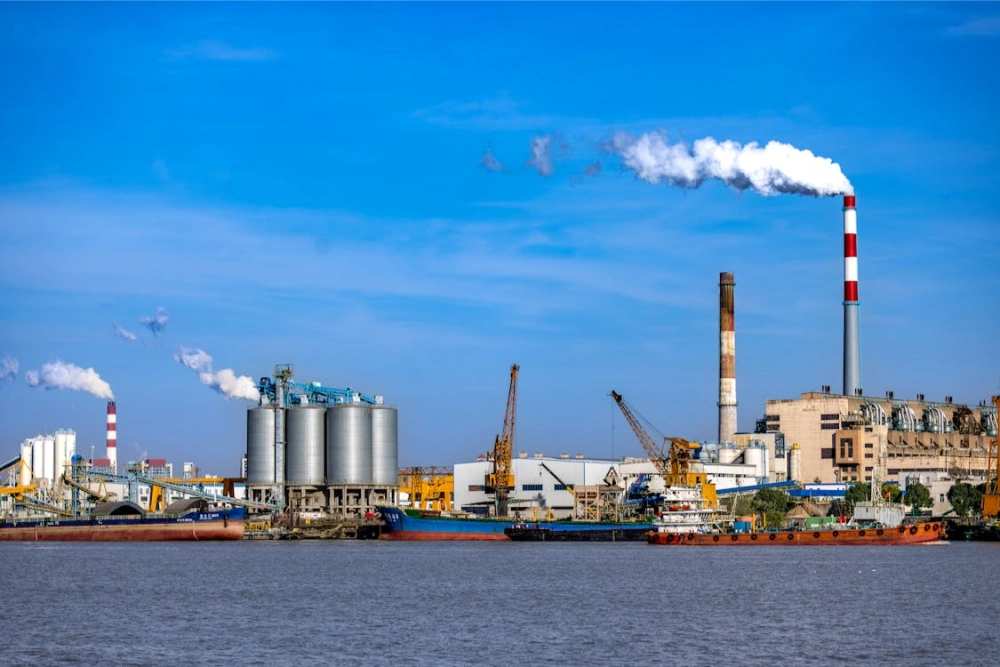
The processing and manufacturing sector is attracting the most FDI in Vietnam by a wide margin. Of the USD 13.03 billion disbursed in the first half of 2026, USD 10.76 billion, or 82.6%, went directly into manufacturing and processing facilities. Real estate took USD 965.2 million (7.4%), and electricity, gas, steam and air-conditioning supply took USD 479.2 million (3.7%), according to the National Statistics Office.
Digital technology is one to watch as well, Ho Chi Minh City leads regional attraction metrics as the sector scales up nationwide, and surging data-center demand is creating fresh openings for utilities-focused investors.
For a closer look at the numbers behind the boom, explore our H1/2026 Manufacturing FDI Breakdown.
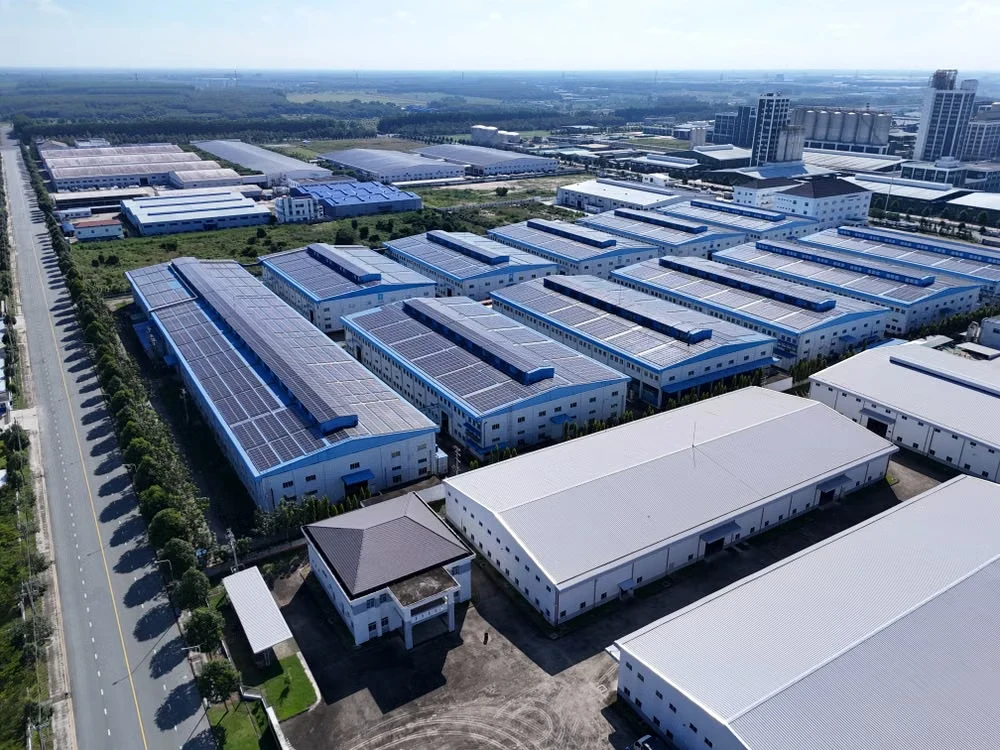
Mr. John Campbell, Director and Head of Industrial Services at Savills Vietnam, commented: “Investment in electronics and semiconductors continued to concentrate in northern localities, which have developed relatively complete manufacturing ecosystems encompassing industrial infrastructure, technical labour and supplier networks.” (Savills Vietnam H1/2026 manufacturing FDI analysis)
Singapore and South Korea are investing the most in Vietnam in 2026, each bringing a distinct style to the table:
For Vietnam, this blend of large-scale regional capital, Korean tech muscle, and diverse global investors creates a healthy, resilient foundation for continued growth, and gives new entrants a proven ecosystem to plug into from day one.
Vietnam continues to attract foreign direct investment thanks to supply chain diversification, an extensive network of free trade agreements, resilient economic growth, sweeping legal reforms, and fast-moving infrastructure development.
These drivers work together powerfully:
Layer on the government’s strategic push under Resolution No. 10-NQ/TW, which actively ties incentives to high-tech development, digital economy transformation, and workforce training, and it’s easy to see why investor confidence keeps climbing. Vietnam isn’t just open for business, it’s rolling out the welcome mat for the right kind of business.
Vietnam is shifting from more FDI to higher-quality FDI through a deliberate national strategy. At the heart of this shift is Resolution No. 10, issued by the Politburo on 08/06/2026 on developing the foreign-invested economic sector. For the 2026-2030 period, it targets USD 200–300 billion in registered capital and USD 150–200 billion disbursed, with 70–75% of newly registered capital coming from developed economies and more than half directed into high technology, innovation, and digital transformation. It also sets a target of around 10,000 Vietnamese enterprises participating in the supply chains of foreign-invested firms.
Resolution 19-NQ/TW, signed on 28/07/2026, reinforces the direction by renovating Vietnam’s growth model with the aim of reaching high-income developed nation status by 2045.
The results are visible in the data. As at 31/07/2026, Vietnam had attracted USD 38.06 billion in registered FDI, up 58% year-on-year (National Statistics Office). Newly licensed projects rose 7.8% to 2,429, while newly registered capital more than doubled to USD 21.05 billion, confirming that growth is coming from project scale rather than project count. Realised FDI reached USD 15.20 billion over the same period, up 11.8% and the highest January-July disbursement in five years, with USD 12.55 billion, or 82.6%, going directly into processing and manufacturing facilities.
Success is being measured differently, too. Instead of administrative capital tallies, today’s benchmarks are technology transfer, labor productivity, local supply chain integration, and green transformation. For investors, this signals a more mature market, one that rewards genuine commitment, innovation, and long-term partnership.
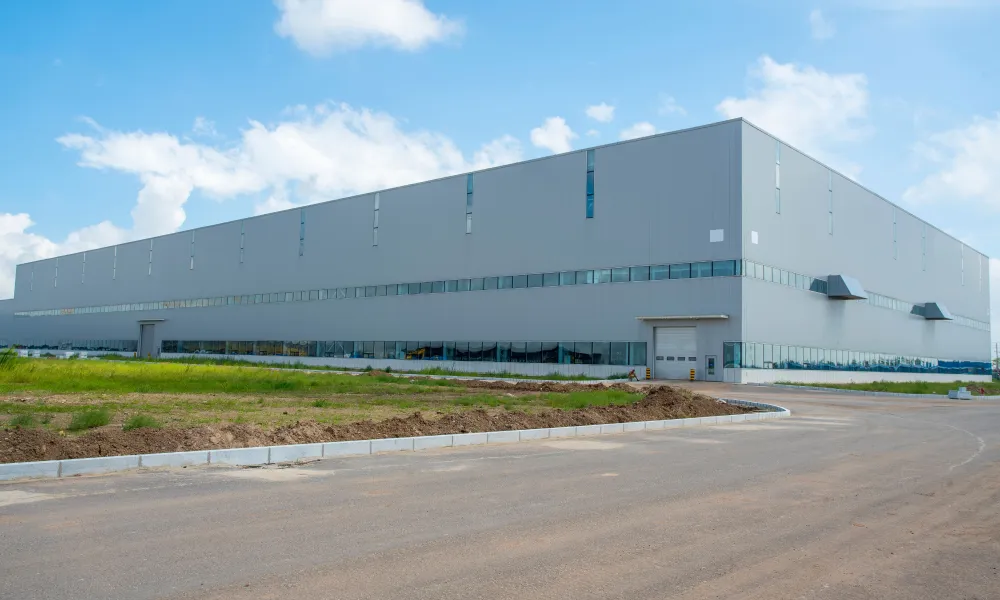
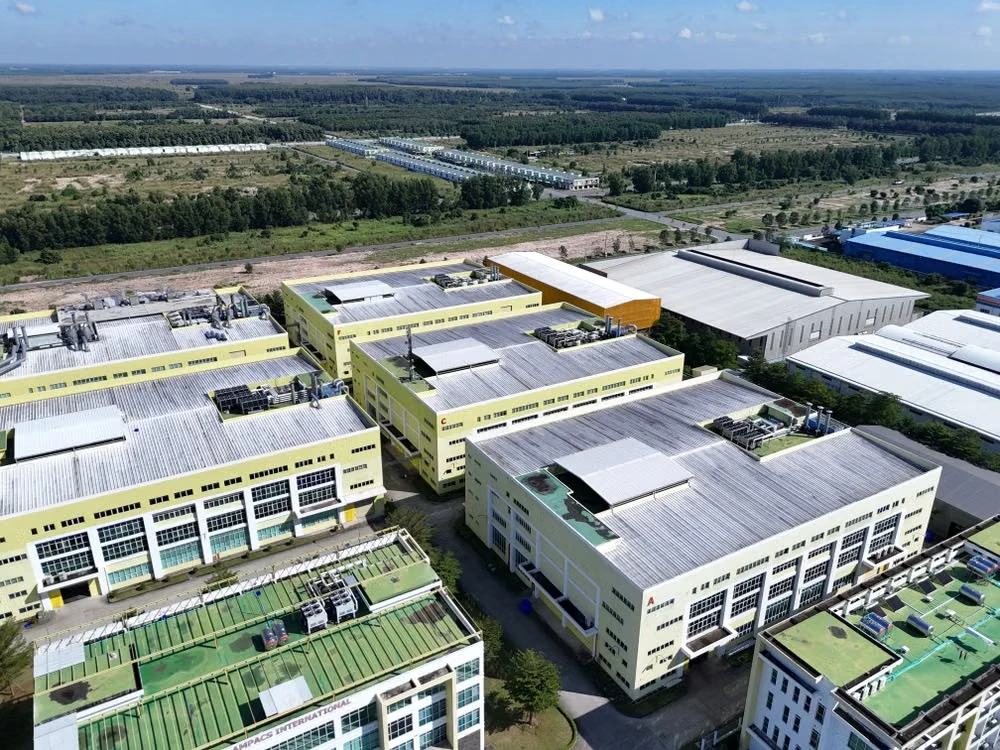
Rising FDI in Vietnam means the country’s industrial real estate market is moving decisively toward high-tech ecosystems, strict environmental standards, and flexible ready-built spaces. The fundamentals are strong: industrial park occupancy holds at 80% to 90% nationwide, with the southern industrial corridor, including the former Binh Duong area now part of expanded Ho Chi Minh City following the 01/07/2025 administrative merger, and Dong Nai, alongside the key northern provinces, all heavily utilized (Savills Industrial Insider, 2026).
Processing and manufacturing remains the primary magnet for foreign capital, taking 55% of newly registered capital in the first seven months of 2026. Average industrial land rents vary by region: USD 90–250/m² per lease term in the North, USD 70–120/m² in the Central region, and USD 185–280+/m² in the South, with southern occupancy above 90% (Ministry of Construction Q1/2026, reported by VnEconomy).
Three shifts stand out for occupiers and developers alike:
For businesses eyeing Vietnam, the message is clear: quality space is tightening in the most sought-after corridors, and site selection decisions are best made ahead of the commitment, not alongside it.
The outlook for foreign direct investment in Vietnam is strongly positive, with the country steadily upgrading its role in global value chains. Under Resolution 10-NQ/TW, Vietnam is transitioning from a low-cost assembly base into a regional hub for innovation, high-tech manufacturing, and digital technology, with a stated ambition to rank among the leading ASEAN economies for investment environment and innovation capacity by 2030.
Inflows are becoming more selective and quality-focused, emphasizing local supply chain integration and research commitments, while renewable energy and sustainable manufacturing attract commitments aligned with national development goals.
Confidence runs high among international institutions and business associations, supported by stable governance, agreements like the EVFTA, and an expanding domestic consumer base. Established players such as Samsung, Intel, and Foxconn keep deepening their existing footprints rather than simply adding basic facilities, which is the clearest available signal of confidence in Vietnam’s long-term trajectory.
Challenges do remain. Logistics bottlenecks, shortages of high-skilled technical labor, global minimum tax adjustments, and shifting trade dynamics will require continuous policy adaptation. Even so, the momentum is unmistakable.
Whether you’re planning market entry, expanding operations, or searching for the right industrial space, our Industrial Services team can help you evaluate options across all key regions, from site selection and market research to lease negotiation and transaction.
Get in touch with Mr. John Campbell, Director of Industrial Services: +84 986 718 337.