
05 September 2026


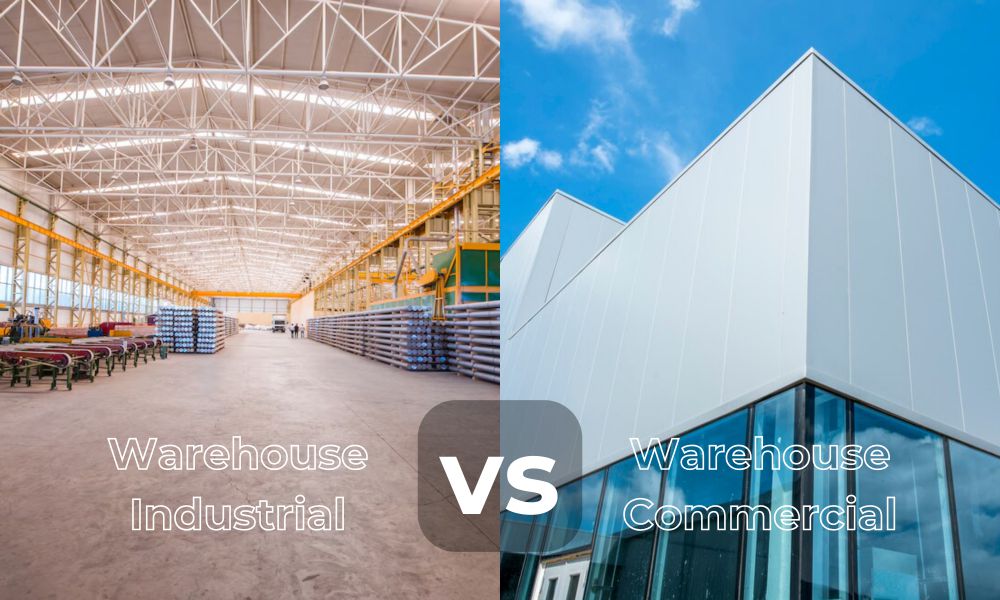
A warehouse is generally classified as an industrial real estate asset, while industrial property itself sits within the broader commercial real estate market. A warehouse earns its place in the commercial family through business use and income potential, while its design, specification, and location remain unmistakably industrial.
In Vietnam, however, the legal classification of the land beneath a warehouse depends on its approved land-use purpose and location.
The question is being asked with fresh urgency because demand is restructuring toward e-commerce fulfillment, data centers, and high-tech manufacturing. Let us walk you through the classifications, the warehouse types, and what they mean for your next move in Vietnam.
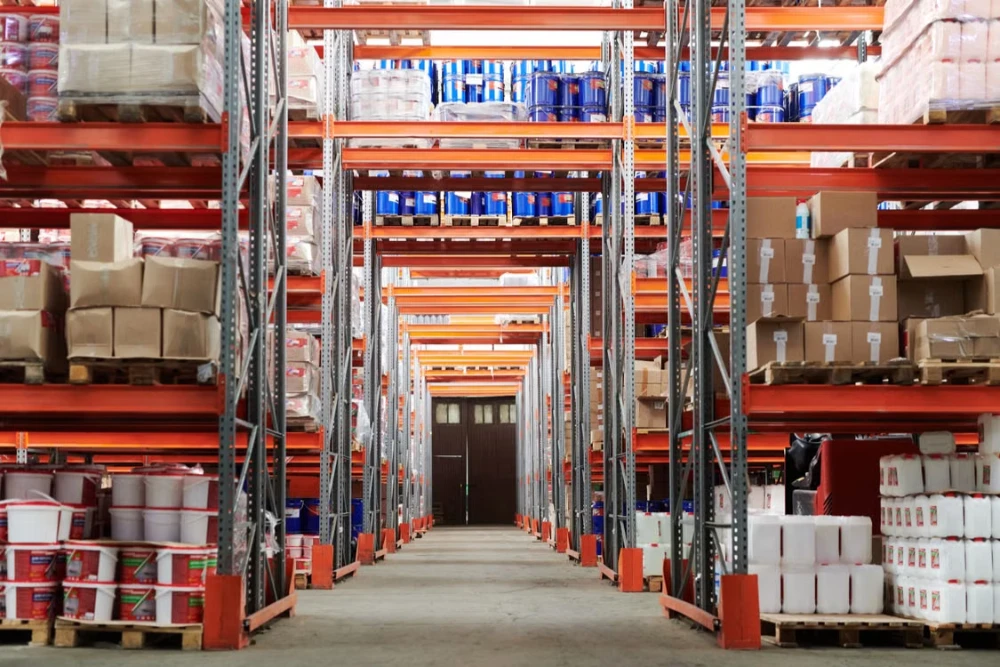
In real estate terms, a warehouse is primarily an industrial asset. However, in Vietnam, the legal classification of the land beneath it can vary depending on the approved land-use purpose and location.
In this context, “Commercial” refers to the broader real estate investment category, defining the property by its economic nature rather than its physical use. This should not be confused with Vietnam’s legal category of “Commercial and Service Land”.
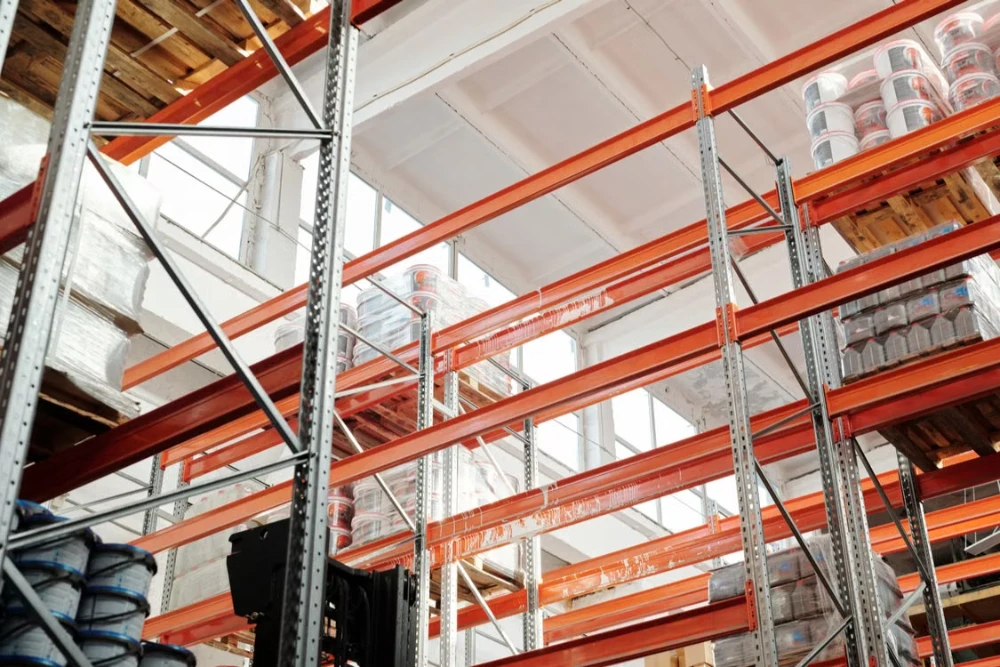
“Industrial” acts as the narrow modifier that dictates the physical specification, zoning, and operational reality of the asset:
Vietnam’s Land Law 2024 classifies land according to its approved land-use purpose rather than the physical appearance of the warehouse built on it, and that distinction shapes permitted uses, lease economics, and compliance risk.
The same shed on two different parcels can carry entirely different rights, costs, and obligations. It is one of the first questions we help clients untangle, and the answer becomes refreshingly clear once you know where to look.
Three classifications cover most warehouse situations:
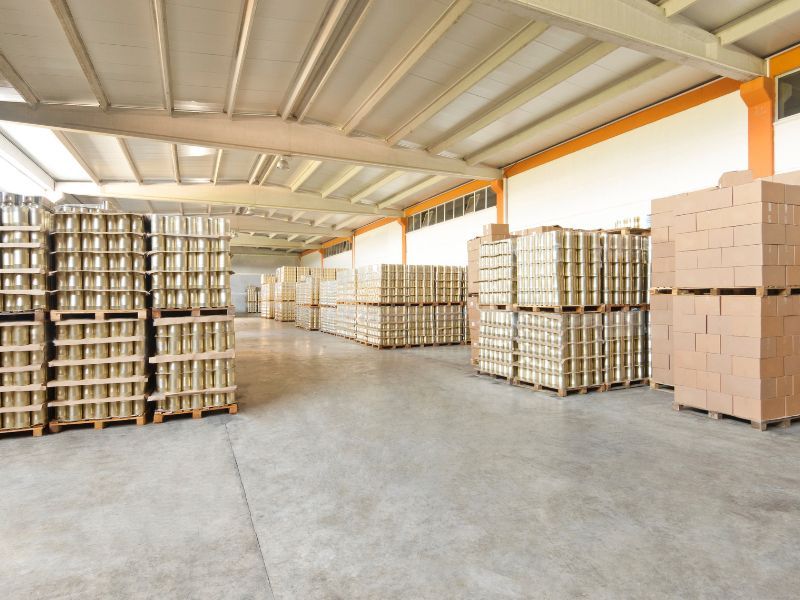
Each label then drives three very practical outcomes:
Four formats are defined by warehousing and distribution function, and three ownership models are defined by commercial need. Each format carries its own size, height, and loading profile, and its own classification pathway here in Vietnam.
These four formats span the spectrum from compact regional storage to specialized cold chain, and each maps to a different land classification in Vietnam.
| Type | Primary Function | Typical Clear Height & Floor Load | Typical Property Setting |
| Regional (local) warehouse | Stores products close to end markets; rectangular footprint, typically under ~9,300 sq m | 4.9–7.3 m; light-to-medium floor load | Urban-fringe logistics locations, logistics parks or industrial areas |
| Bulk warehouse | Long- and short-term storage for manufacturers, logistics firms, and retailers; roughly 9,300–93,000+ sq m | 6.1 m or higher; medium-to-heavy floor load | Industrial parks, logistics parks and large distribution hubs |
| Heavy distribution | Distribution-first rather than storage-first; favored by logistics companies, typically outside urban areas | 4.9–9.1 m or more; heavy floor load | Logistics or industrial locations with strong truck access |
| Refrigerated (cold storage) | Preserves fresh produce, frozen foods, medicines, and biotech products at controlled temperatures; roughly 9,300–46,500 sq m | 7.3 m or higher, often ~8.5 m; medium floor load | Industrial/logistics locations with sufficient power and technical infrastructure |
The warehouse format itself does not determine the legal land-use classification. The approved land use should be verified for each individual site.
A fifth format, the rack-supported warehouse, uses storage racking as part of the building’s structural frame. As it remains uncommon in the Vietnam market, this guide focuses on the four formats more relevant to local occupiers.
How do you choose among these? Start with throughput, not square meters.
If goods turn over quickly and serve urban customers, a regional format on commercial land wins; if volume and heavy pallets dominate, bulk or heavy distribution inside an industrial zone pays for itself.
And if temperature control is non-negotiable, remember that cold storage’s specialized freezer floors are difficult to convert later, which makes the classification decision critical from day one.
By commercial need, warehouses divide into private, public, and contract models, each trading off control, flexibility, and cost.
Whichever model fits, treat the operating-model question and the land classification question as two separate decisions; each deserves its own diligence.
“Vietnam’s industrial real estate market is moving into a new phase where competitive advantages are no longer defined solely by rental prices or land scale. Market leadership increasingly depends on infrastructure quality, connectivity, operational standards, and the ability to meet the requirements of high-value manufacturing industries.”
John Campbell, Head of Industrial Services, Savills Vietnam, December 2025)
In Vietnam, classification does more than describe a warehouse. It can influence whether the intended operation is compatible with the site’s approved land use, project documentation and planning framework.
That makes classification an important early-stage due-diligence question. A warehouse may appear operationally suitable, yet the underlying legal framework still needs to support the occupier’s intended use.

In short: the physical building tells you what a warehouse can do technically; its legal and planning status tells you what it is permitted to do.
At the decision level, three things change:
This is exactly where Savills’ value of challenging earns its keep. We do not take developer brochures, zoning tags, or asset descriptions at face value. We interrogate legal provenance, compare the paper title with real-world operations, and stress-test whether an asset truly qualifies for its intended institutional use. A little constructive skepticism, applied early, can help protect occupiers and investors from committing to the wrong property.
Whether a warehouse is industrial or commercial ultimately dictates its legal land use, tax incentives, operational rules, and location options. The right answer looks different depending on which seat you occupy.
For occupiers, the choice comes down to where your goods need to be and how much regulatory structure you can comfortably carry.
For developers, classification shapes the entire project timeline and capital stack.
For investors, it comes down to the shape of the return you are chasing.
Is a warehouse industrial or commercial? The industrial-or-commercial warehouse question comes down to a simple truth: a warehouse is both an income-producing commercial asset built to industrial specifications and, in Vietnam, the land classification beneath it governs your rights, costs, and exit options.
Get the label right, and the rest follows. Our industrial team at Savills is ready to listen, challenge, and collaborate with you, from site search to lease, investment, and beyond. Talk to us today.