10 July 2024


Cold storage operation requires specialized processes distinct from ambient warehousing, demanding precise temperature control and strict compliance. With Vietnam’s sector booming to US$388 million in 2025, boasting 1.4 million pallets, 78 providers, and 26 cold trucking firms, opportunities are massive.
As capacity grows 10.5% toward 1.6 million pallets by 2029, this guide delivers the essential guidelines for cold storage operation to help you navigate this dynamic market.
“Cost advantages alone are not enough. Modern, efficient facilities allow better cost control in the long run.”
— John Campbell, Director of Industrial Services, Savills Vietnam
Source: Savills Japan, “Zooming in on Viet Nam’s Logistics Landscape,” September 2025
The essential guidelines for cold storage operation focus on managing extreme thermal demands, utilizing specialized equipment, and meeting strict quality regulations to protect perishable inventory.
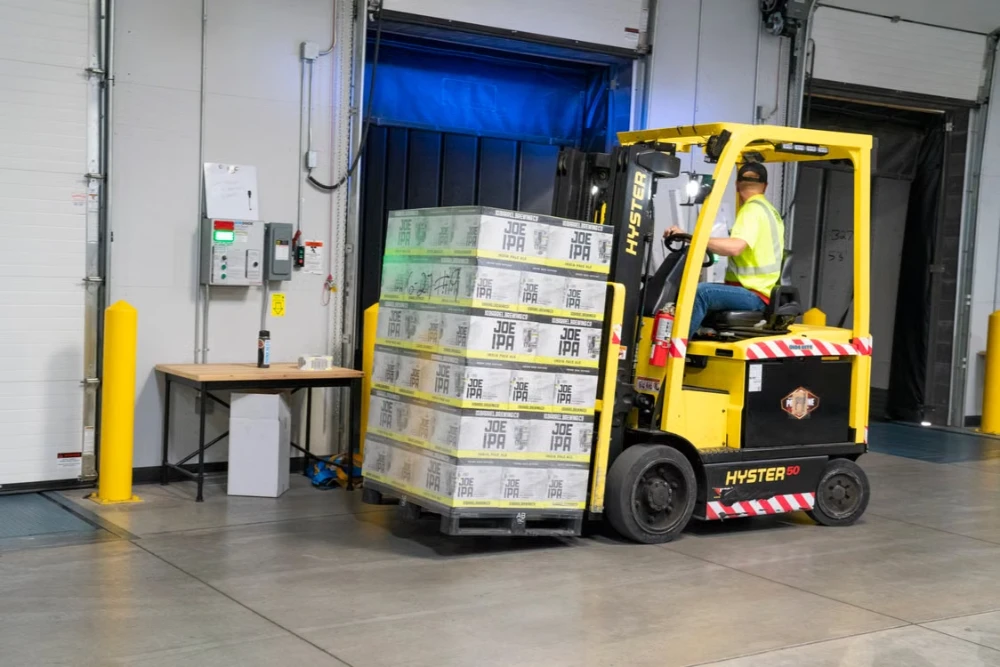
Unlike standard warehouses, cold facilities must maintain distinct climate zones from deep freeze (-28°C) to chilled (2°C). This requires specialized inflatable dock seals, constant airflow management to prevent ice buildup, and continuous data logging for cold chain integrity. Workers need expensive insulated gear and mandatory warm-up breaks, which reduces active shift time and necessitates strict “freshest-in, first-out” throughput protocols.
Mastering the guidelines for cold storage operation requires following a strict, sequential process to ensure system stability and product safety. Below is our proven six-step approach to keeping your facility running smoothly.
This is crucial when commencing operations of a new cold storage facility or reactivating one after a prolonged period of inactivity. The following procedures are required for system inspection:
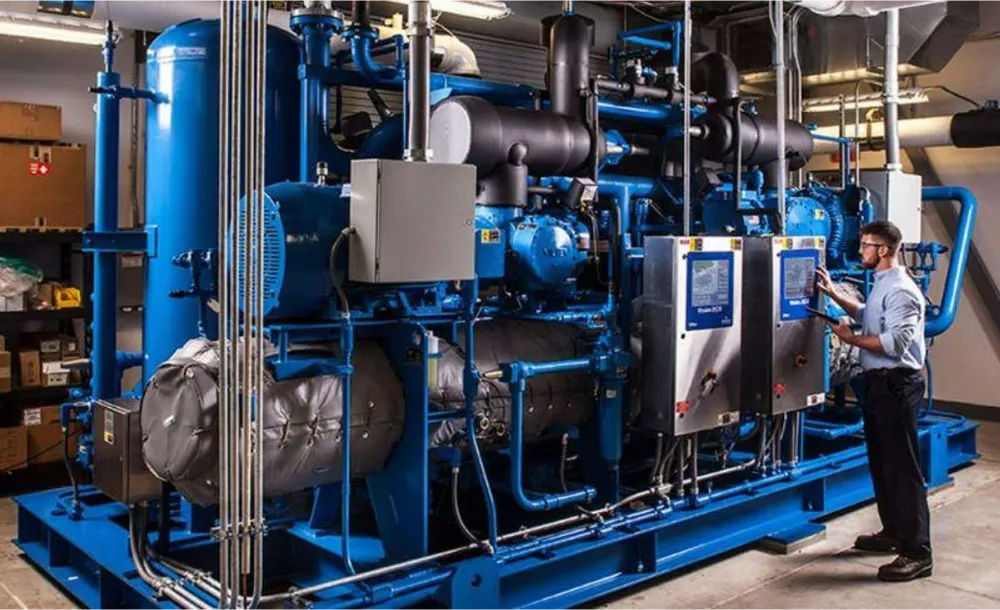
A cold storage operator must thoroughly inspect and ensure that the compressor is working. In case the compressor is liquid-pump driven, it should be assured that this component is functioning.
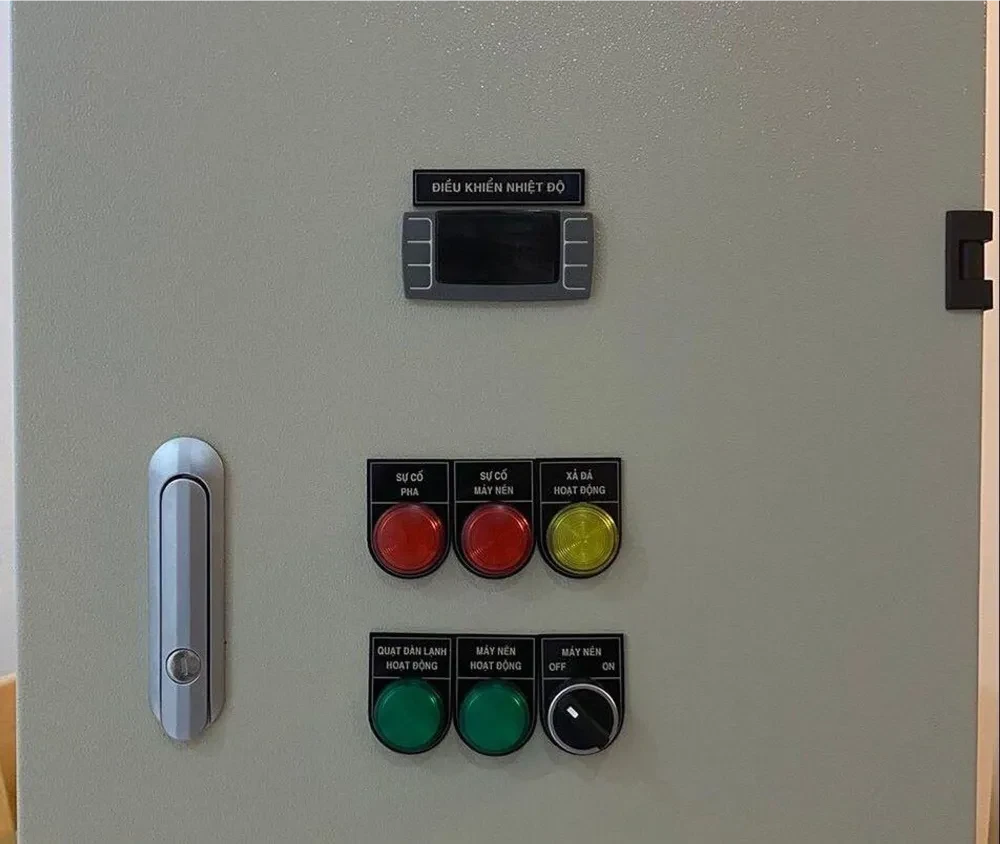
Cooling preparation process before transporting products into the warehouse
During this step, two essential actions are required:
Proper arrangement of goods is essential for maintaining consistent temperatures and operational efficiency:
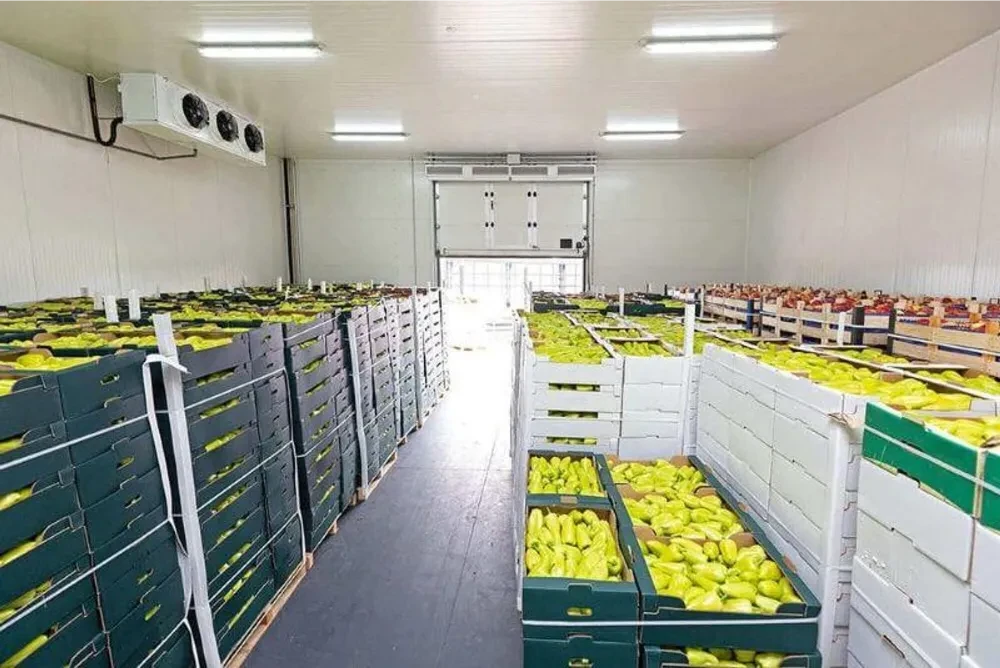
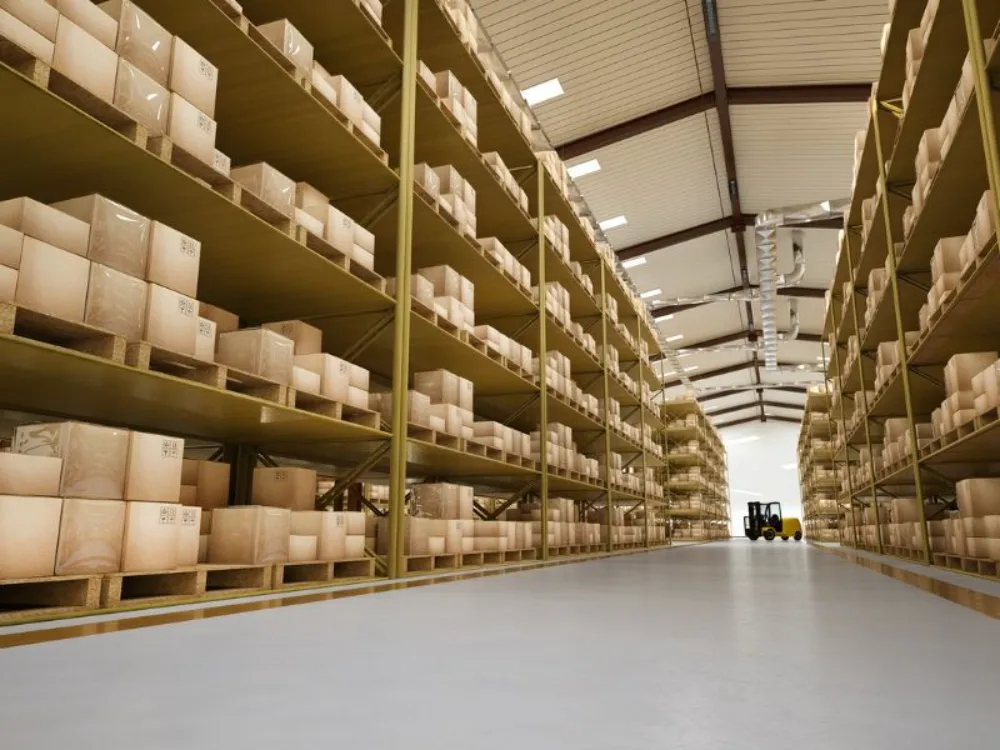
Goods in cold storage should be scientifically arranged with adequate ventilation
Vietnam-specific consideration: Vietnam’s monsoon climate (May–October) creates additional condensation and humidity challenges when goods are frequently moved in/out of cold storage. Air curtains and vestibule design become particularly critical.
This step simply requires turning the defrost switch to “ON” mode and switching it back to “OFF” once the defrosting process is complete.

Make sure to defrost the frost/ice regularly while operating cold storage
However, while defrosting, the following requirements must be adhered:
Cleaning is important when operating cold storage to ensure the stability and efficiency of a warehouse’s operation. A low-pressure water spray is the preferred method for cleaning panels, as it effectively removes dirt and grime without damaging the surfaces.
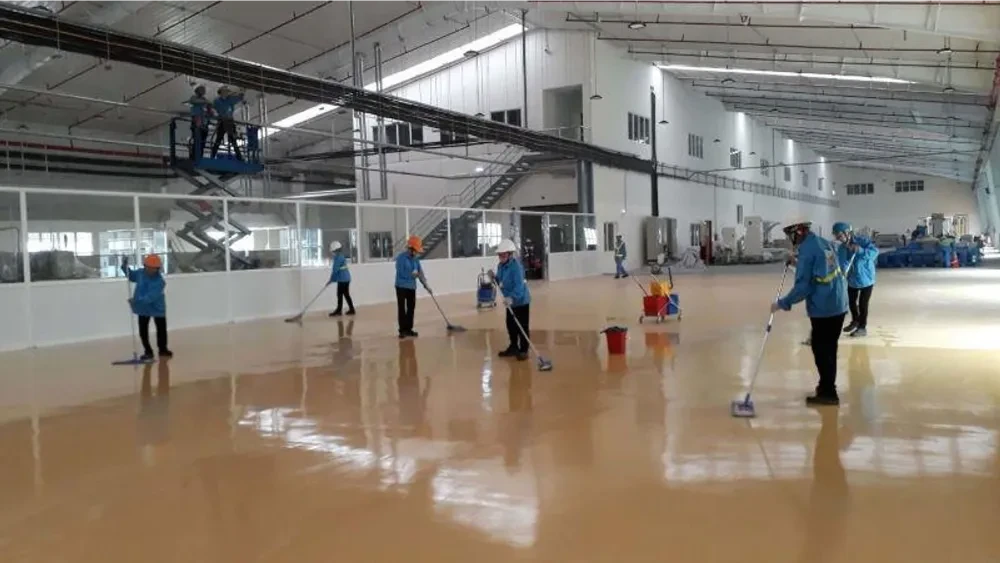
Cold storage cleaning operations must adhere to proper technical procedures
The cleaning process involves the following steps:
There will be some cases where cold storage facilities are not in use for extended periods. Therefore, proper maintenance is required to prevent damage and prolong its lifespan:
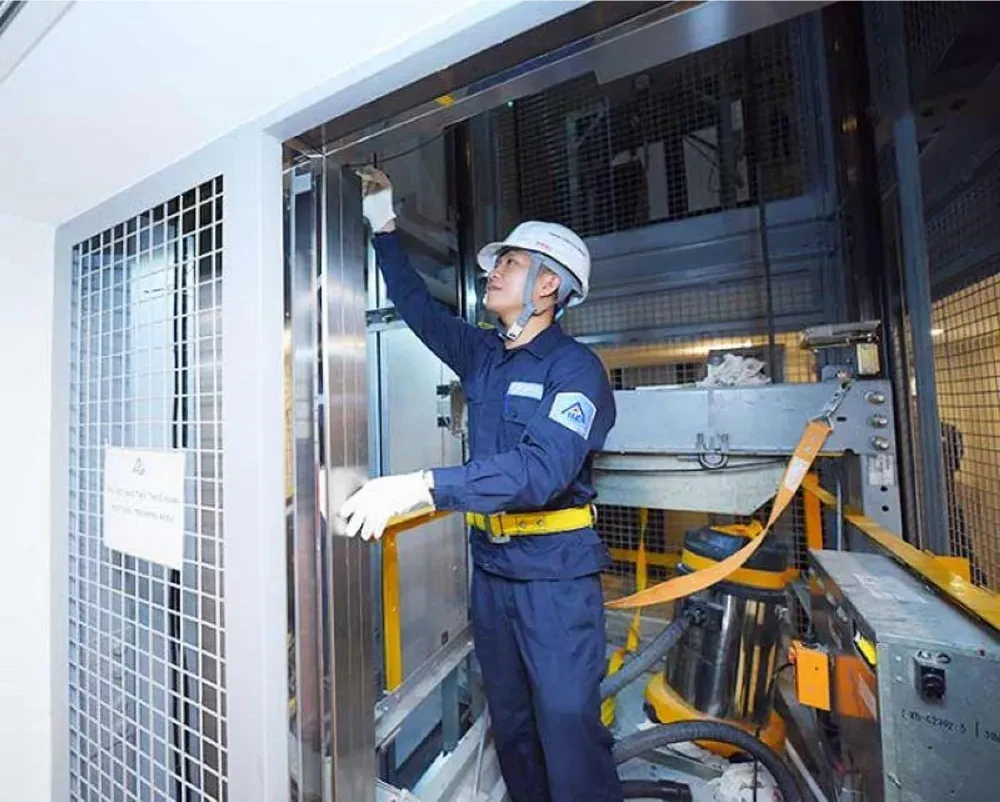
Cold storage facilities with periods of non-use must be properly maintained
It is important to keep the following points in mind when operating a cold storage to ensure maximum preservation efficiency, safety, and cost-effectiveness.
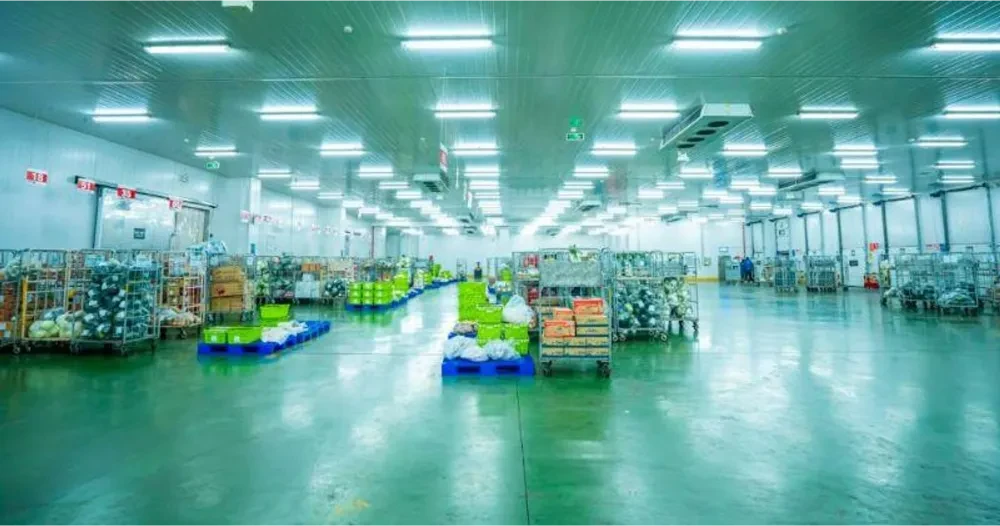
Key points to remember when operating cold storage
Building an efficient facility requires adhering to strict design standards for cold storage warehouses to prevent structural failures and energy loss. These standards encompass structural fundamentals, safety compliance, and specific local regulations.
Building a cold storage warehouse is an entirely different beast compared to standard logistics real estate. Every structural choice must defend the internal climate:
Safety in a highly enclosed, cold environment requires layered, proactive planning. You must establish clear internal fire prevention and fighting (FPF) rules, post visible escape route diagrams, and strictly enforce “No Smoking” zones.
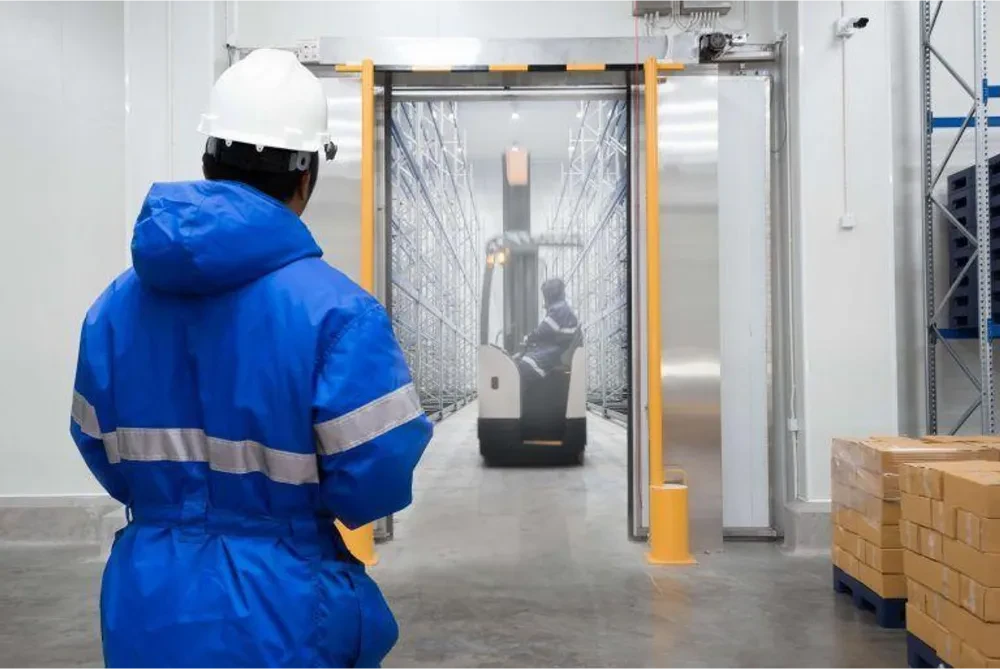
Strict adherence to cold storage design regulations is necessary to ensure product quality and worker safety
All electric handling equipment must be explosion-proof, with regular inspections of lightning protection and electrical systems.
Furthermore, modern facilities should integrate automatic fire alarm systems that transmit data directly to local specialized FPF databases for instant incident reporting.
Strategically, Ho Chi Minh City acts as the primary logistics anchor, while Hanoi and Da Nang serve as vital secondary nodes fueled by government investment.
Regulatory compliance here has sharply evolved. Cold storage operations for agro-exports must comply with QCVN 01-190:2020/BNNPTNT, the National Technical Regulation on Food Safety Conditions for Cold Storage Warehouses and Refrigerated Vehicles Used for Food Transport (Ministry of Agriculture and Rural Development, 2020), which sets mandatory temperature control, monitoring equipment, and operational standards.
To navigate this, FDI operators must align with several core legal frameworks, including the Law on Fire Prevention, Fighting, and Rescue 2024, Government Decree No. 105/2025/ND-CP for warehouse safety approvals, and the National Technical Regulation QCVN 06:2022/BXD for structural fire safety.
Site selection in Vietnam’s cold storage market matters in 2026 because strategic positioning directly impacts supply chain speed, compliance ease, and long-term ROI. We are seeing a significant shift where operators look beyond basic real estate costs to find truly optimized logistical hubs.
Vietnam’s cold chain sector is valued at roughly USD 1.5 billion, fueled by several powerful tailwinds:
When we look at the map, capacity is heavily concentrated in the south. Tay Ninh, Ho Chi Minh City, and Dong Nai hold the lion’s share of the nation’s cold storage footprint.
Major investments, like the 10,000-square-meter cold distribution center in Thu Duc City capable of moving 8,000 tons of goods, highlight how aggressively Ho Chi Minh City is scaling to meet demand.
Foreign investors entering Vietnam in 2026 are juggling four distinct regulatory layers: market access, food safety, fire prevention, and refrigerant control.
The good news is that cold storage warehousing itself has no foreign ownership cap under Decree 163/2017/ND-CP. However, if an investor wants to add a refrigerated trucking fleet or a customs brokerage, ownership limits suddenly apply. Furthermore, the Law on Investment 2025 (effective March 2026) flipped the old sequence, investors can now establish their local legal entity first, allowing them to open bank accounts and secure land leases while the Investment Registration Certificate (IRC) is still being processed.
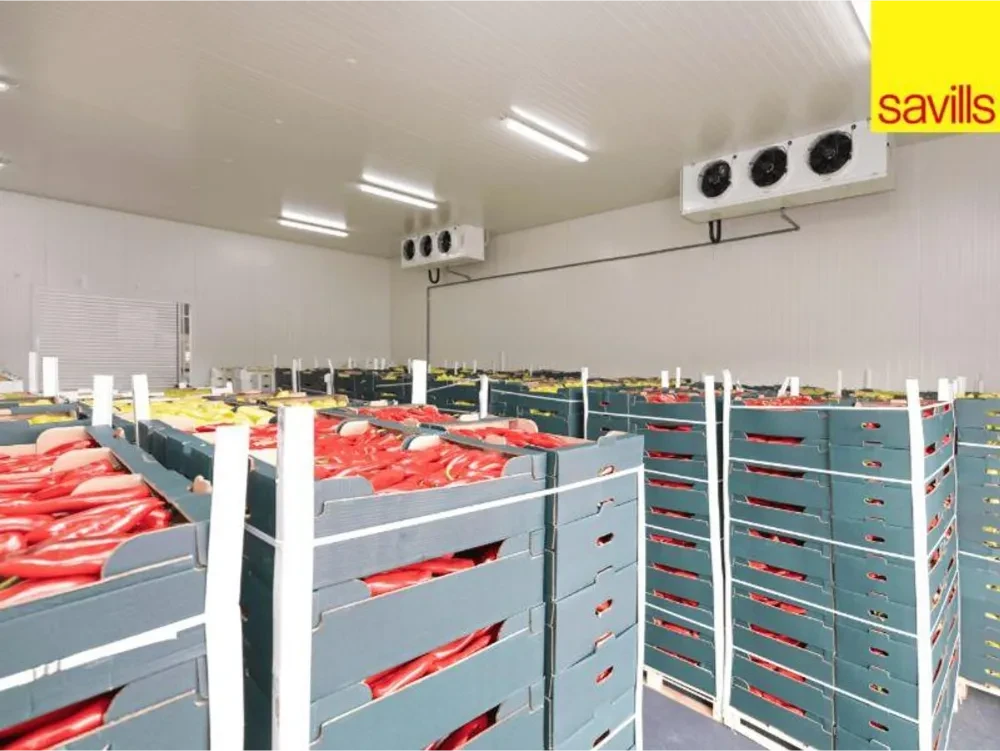
Savills Industrial strictly adheres to standard cold storage operation procedures
Beyond market access, operators must clear sector-specific hurdles:
The challenge of balancing precise temperature control, regulatory compliance, and operational costs requires reliable guidelines for cold storage operation to ensure long-term viability. By following these proven processes and design standards, you can safeguard your perishable inventory and maximize your investment. With years of experience, Savills Industrial is your trusted partner. Call us at +84 986 718 337 for tailored solutions to optimize your operations.
Here are common questions regarding the guidelines for cold storage operation.
A: Facilities must maintain distinct climate zones ranging from deep freeze (-28°C) to chilled (2°C) depending on product requirements.
A: Cold storage rental in Vietnam typically ranges from $22 to $87 per tonne per month, or approximately $15-$27/m²/month for premium facilities in HCMC, with lower rates in Bac Ninh and other northern hubs
A: Tay Ninh, Ho Chi Minh City, and Dong Nai currently lead the market in available cold storage capacity.
A: Facilities should be equipped with a generator set combined with an automatic transfer switch (ATS) system. We also recommend integrating battery storage systems (BESS) with rooftop solar power to enhance reliability and proactively manage outage schedules.