26 May 2021


A lease buyback real estate deal in Vietnam allows companies to sell their industrial property to an investor and immediately rent it back, unlocking capital without interrupting operations. By 2026, this strategy has evolved into a mainstream corporate finance tool, driven by stabilizing Asia-Pacific markets and Vietnam’s emergence as a regional growth leader. At Savills, we’re excited to share what 2026 holds.
“Multinational corporations or large manufacturers still prioritise long-term leases or build-to-suit models to secure space and control costs.”
— John Campbell, Director of Industrial Services, Savills Vietnam
Source: Savills Japan, “Zooming in on Viet Nam’s Logistics Landscape,” September 2025
A lease buyback deal is a financial arrangement where a company sells its property to an investor and immediately leases it back. This powerful mechanism is gaining significant traction across Vietnam’s industrial landscape as companies seek smarter ways to manage capital.
Sellers use lease buyback real estate to turn heavy concrete and land into instant liquidity, avoid costly bank debt, and keep factories running without relocation.
They gain quick cash flow for business growth, zero operational disruption since machines and workers stay in place, a bypass of strict bank lending rules, and market value profits that often exceed original purchase prices.
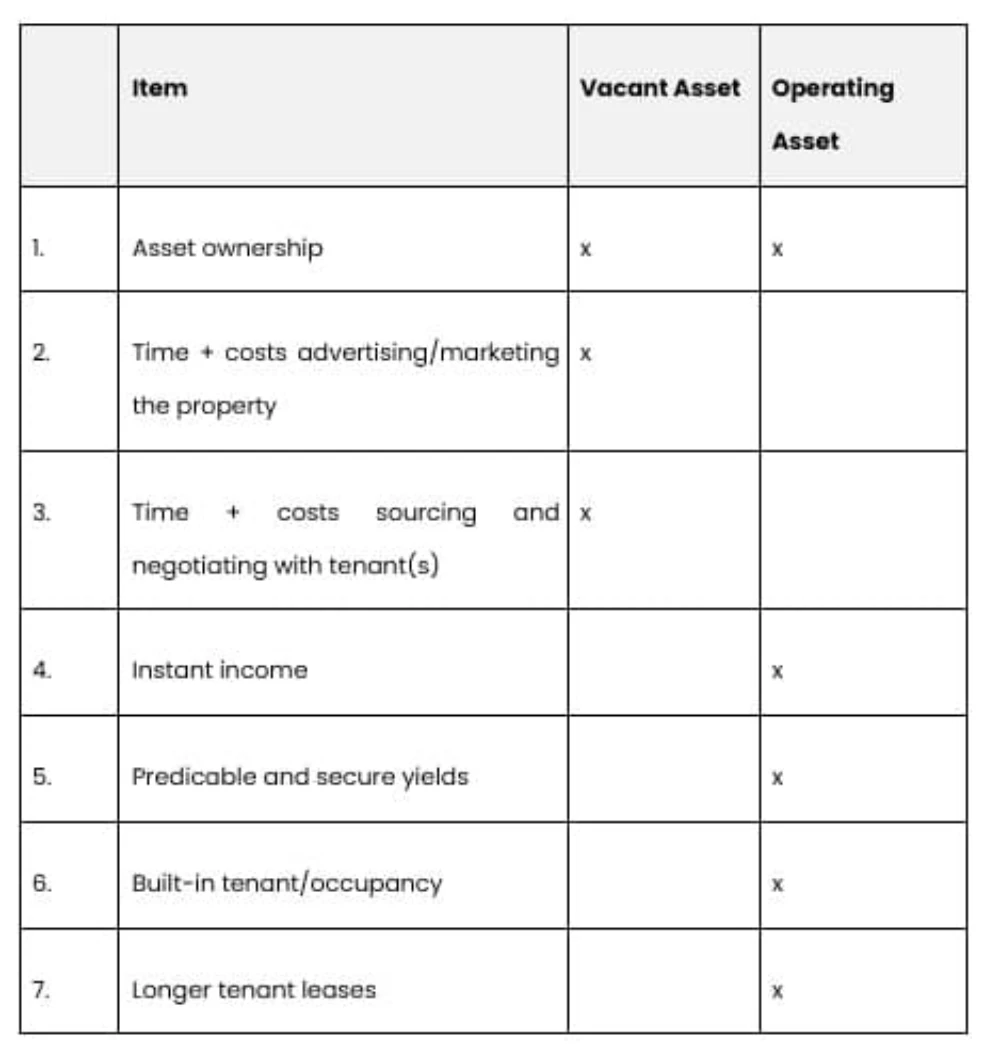
Investors use lease buyback real estate to secure immediate, predictable cash flow with built-in tenancy and attractive yields that outpace standard commercial returns.
Key advantages include instant rental income from day one, a ready tenant eliminating marketing costs, long-term security through 5- to 10-year contracts, and industrial yields that consistently outperform traditional asset classes.
Sale-and-leaseback structures utilize four main commercial lease types, gross, net, hybrid, and percentage, each distributing operating costs differently. Selecting the right structure significantly impacts both the seller’s balance sheet and the investor’s long-term returns.
The accounting distinction depends on term length, ownership risk transfer, and how payments are recognized, directly affecting how a lease buyback real estate transaction appears on financial statements.
A finance lease spans most of the asset’s life and transfers ownership risks. It creates a right-of-use (ROU) asset and lease liability on the balance sheet, with payments split into amortization and interest expense on the income statement. This front-loaded pattern means higher early-year costs.
An operating lease covers a shorter portion of the asset’s life without transferring ownership risk. While also recording ROU assets and liabilities, the income statement recognizes a single, straight-line rent expense over the term, creating flat, predictable reporting that many corporate tenants prefer for earnings consistency.
Sale-and-leaseback transactions rely on four distinct lease structures, each defining how operating expenses are allocated:
Assets qualifying for lease buyback real estate in Vietnam include industrial real estate, high-cost fixed equipment, and cross-sector tangible assets meeting strict legal and capitalization criteria under the Land Law and VAS 06.
Only assets with lump-sum ground rent payments qualify for full SLB structures, granting complete transfer and sublease rights.
Annual-payment land only allows attached structures to qualify. Properties must hold clean construction permits, approved Environmental Impact Assessments, and valid remaining lease terms capped at 50 years.
Machinery must exceed 30 million VND in historical cost with a useful life over one year. Qualifying costs include purchase price plus freight, installation, and pre-production testing. Equipment must be unencumbered by mortgages and functionally separable from the factory structure.
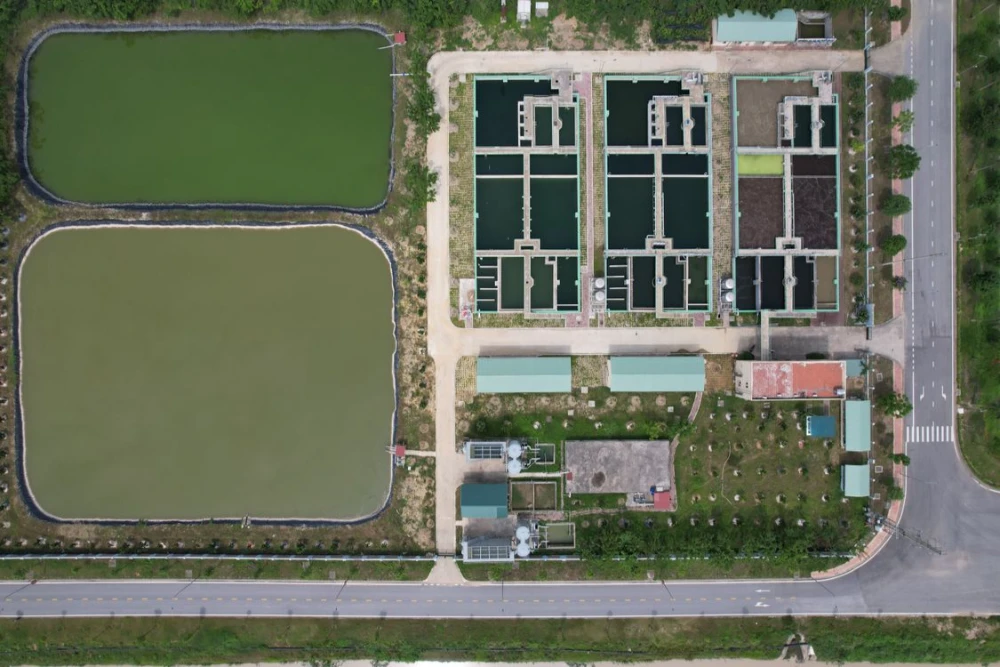
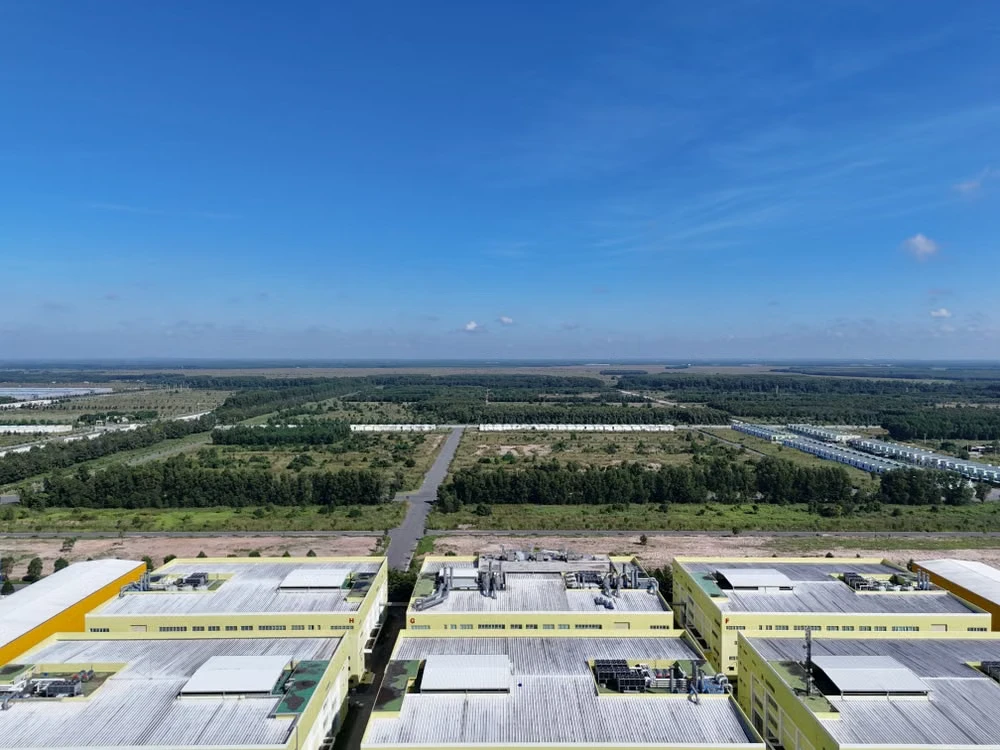
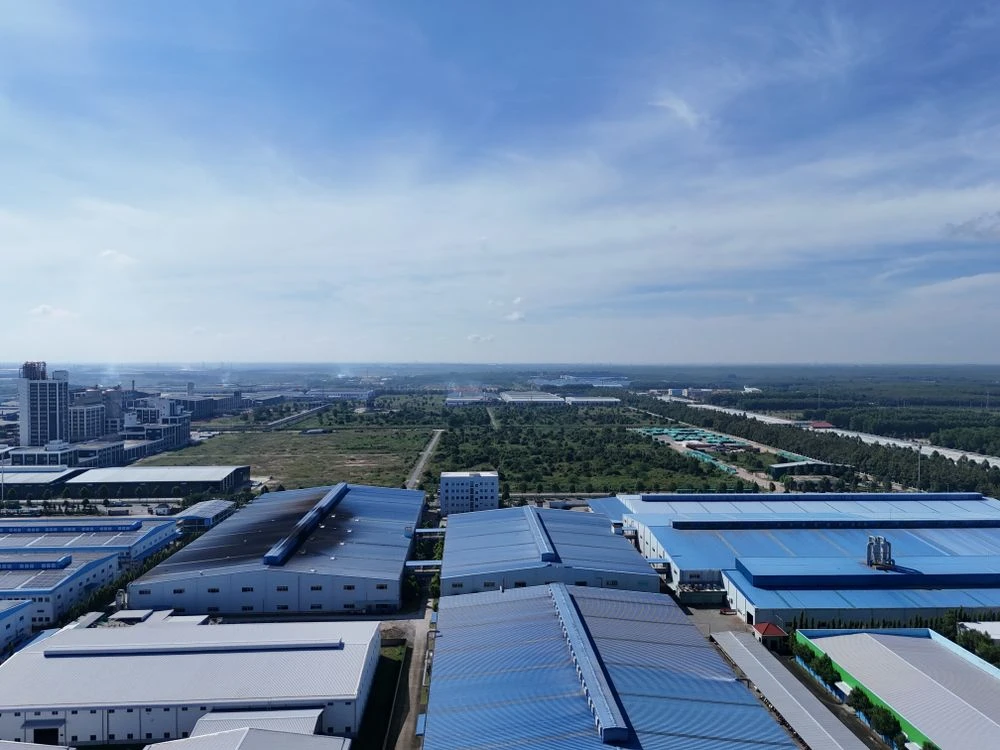
Lease buybacks span heavy production and logistical sectors:
As high-tech manufacturing expands, specialized facilities are emerging as prime SLB targets. Cold storage facilities, with insulated panels, refrigeration compressors, and backup power grids, qualify heavily under lump-sum land payment.
Data centers can leverage SLB for chillers, UPS systems, and modular data halls. Semiconductor cleanrooms, with Fan Filter Units and ultra-pure water treatment systems, represent the newest frontier for lease buyback real estate financing due to extraordinary upfront costs.
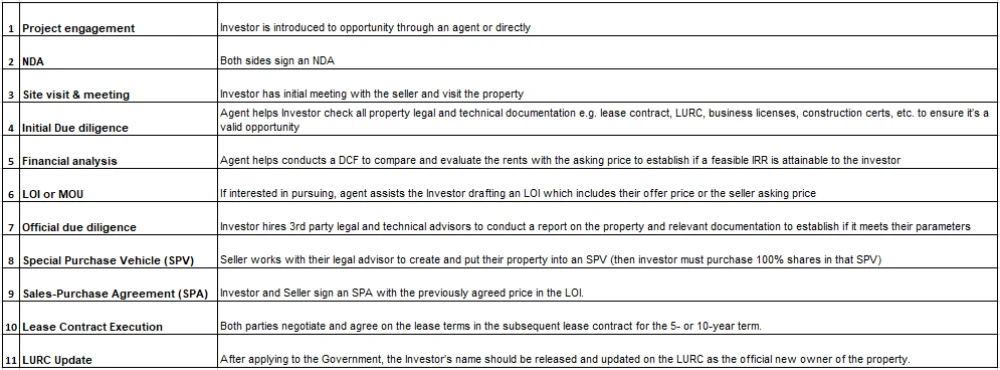
A lease buyback deal works through a synchronized dual transaction where ownership transfers via a sale agreement while a simultaneous long-term lease keeps the seller operating in place. This structure generates measurable returns through Net Initial Yield and Internal Rate of Return calculations.
The corporate owner transfers ownership via a Sale-Purchase Agreement while both parties simultaneously execute a 10- to 20-year lease. Deals are predominantly triple net (NNN), placing full operating costs on the tenant, with 3% to 5% annual escalations.
Because industrial assets sit within industrial parks, explicit IP management board authorization is required to reassign land user rights.
For illustration: consider a 25,000 m² logistics warehouse near Ho Chi Minh City selling for $20 million. At $5.00/m²/month, annualized gross income reaches $1,500,000. Under a triple net structure with $60,000 in management allocations, Net Operating Income equals $1,440,000
Net Initial Yield (NIY) measures year-one performance: $1,440,000 ÷ $20,000,000 = 7.2%, within 2026 institutional targets. Internal Rate of Return (IRR) captures true compounding over the deal’s lifetime by factoring in annual escalations, terminal residual value at Year 10, transaction taxes, and finite land-use rights. IRR typically tracks higher than NIY when escalations outpace depreciation, making both metrics essential for informed deployment decisions.
Vietnam’s lease buyback real estate landscape has evolved from rare multinational deals into a mature, institutional-grade market attracting regional REITs, private equity, and Japanese conglomerates.
DKSH’s 2017 Binh Duong deal introduced the framework locally.
The landmark 2018 Unilever transaction, Mapletree acquiring 66,800 m² for $43 million USD on a 10-year term, established an 8.3% baseline yield.
In 2020, Savills brokered a 36,000 m² Di An warehouse sale exceeding $20 million USD under a 5+5 year lease at over 9.0% yield.
Across these deals, 3% to 5% annual escalations became the standard compounding expectation persisting today.
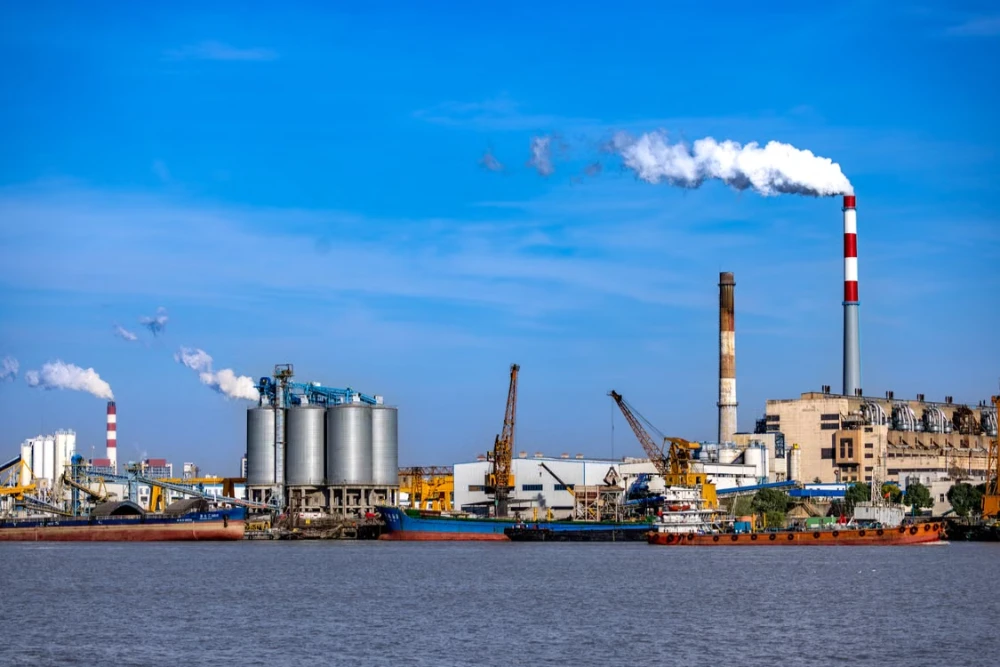
Tariff volatility redirected tenant demand toward ready-built warehouses and factories.
The revised Land Law and e-identification systems (active March 2026) eliminated opaque valuations.
Rents stabilized at $5.00–$5.20 USD/m²/month in Tier-1 corridors, while elevated banking rates pushed manufacturers toward SLB for non-dilutive liquidity.
Institutional buyers apply a strict security-first approach. Flawless Land Use Rights Certificates, clean tax histories under e-invoicing laws, and IP board approvals are non-negotiable.
Assets with under 30 years remaining lease terms are heavily discounted. Tenant creditworthiness overtakes physical quality, parent company guarantees are universally required.
ESG filters price un-certified warehouses at steep discounts while rewarding LEED-certified facilities with premium valuations.
Asset-heavy manufacturers, scaling logistics providers, and highly leveraged enterprises should consider lease buyback real estate to unlock trapped capital. On the buyer side, foreign private equity funds, regional REITs, and pension funds are the ideal participants.
Asset-heavy manufacturers, scaling logistics providers, and highly leveraged enterprises are prime candidates for lease buyback. Here’s who benefits most:
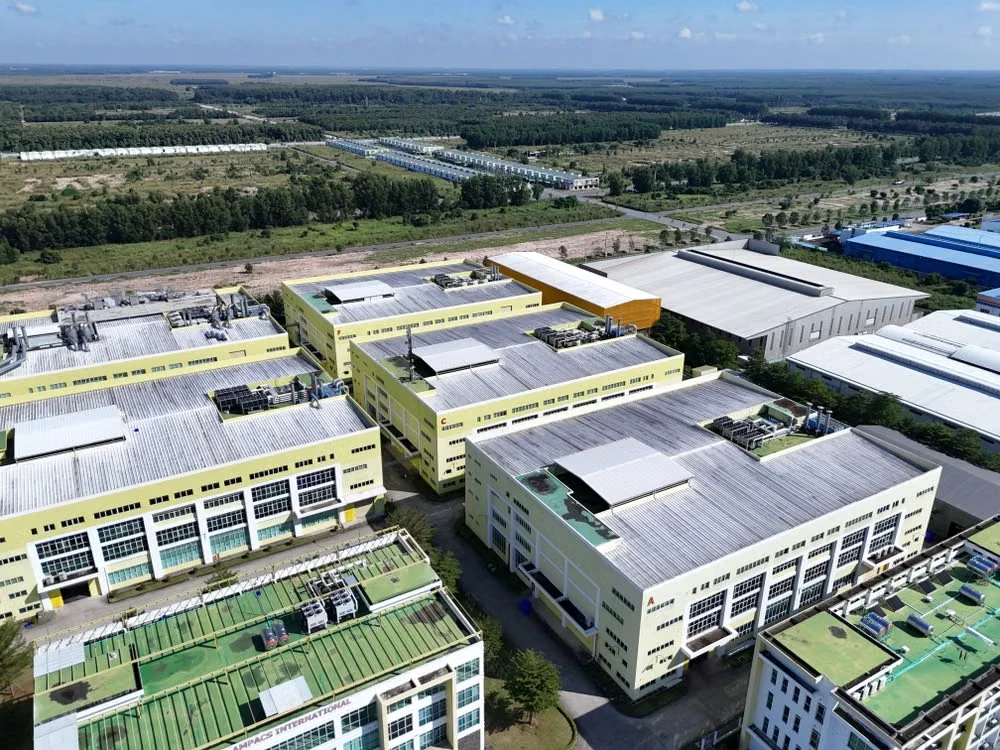
Foreign private equity funds deploy massive capital safely into Vietnam’s booming industrial sector with minimal developmental risk.
The 2026 outlook for lease buyback real estate in Vietnam is driven by supply chain localization, FTSE upgrade preparations, and unprecedented infrastructure investment. A newly modernized regulatory framework provides additional transparency and investor protection.
Vietnam’s push for 40% localized supply chains requires companies to aggressively modernize manufacturing capabilities, making asset monetization an ideal funding strategy.
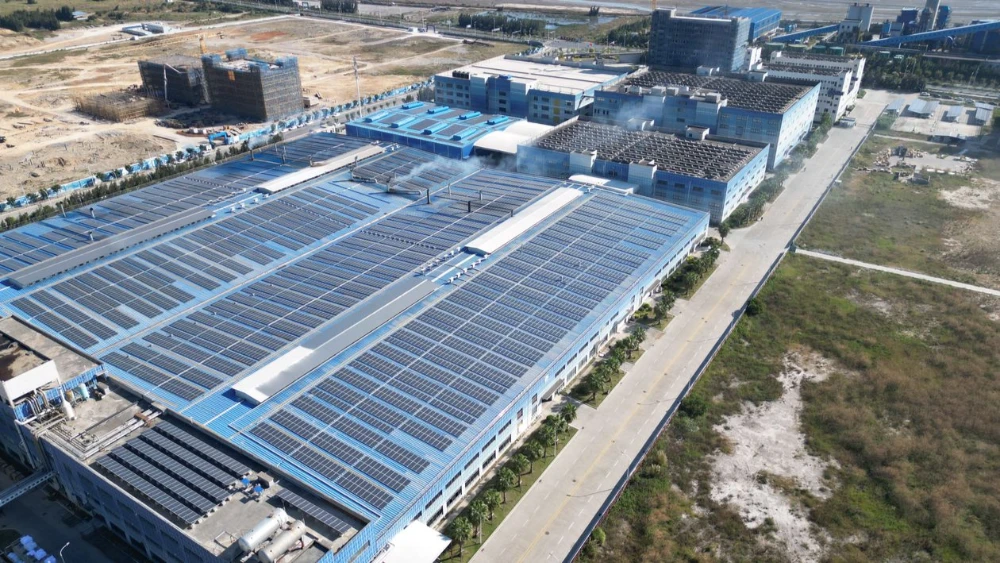
Following FTSE Russell’s October 2025 announcement of Vietnam’s upgrade from Frontier to Secondary Emerging Market status, effective 21 September 2026, institutional liquidity is expanding as global funds build scale. The reclassification will be implemented in four phases through September 2027, drawing passive index-tracking capital into Vietnamese assets and reinforcing demand for institutional-grade industrial real estate.
Unprecedented expressway and deep-water port investment is shifting industrial core zones, prompting companies to capture peak land values through SLB. Selective corporate lending and rising specialized logistics demand further reinforce this trend.
The 2024 Land Law replaced rigid state price brackets with transparent market-based valuations. Land price lists now stabilize on a five-year cycle under Decree 226/2025/ND-CP (effective 15 August 2025), providing predictable state-set valuation frameworks. FIEs with up to 50% foreign ownership now hold equal transaction rights.
Land remains state-managed with 50-year maximum LUR transfers, and e-invoicing mandates have fundamentally transformed due diligence standards for all transactions.
Here are the most common questions we receive about lease buyback real estate transactions in Vietnam.
A: Investors typically expect net initial yields of 8% to over 9% for prime industrial and logistics properties, significantly outperforming residential or commercial sectors at 3% to 6%.
A: Terms span 5 to 10 years, giving investors predictable yield windows while allowing businesses to free capital without relocation.
A: Sellers face 2% Personal Income Tax on transfer value (individuals) or 20% Corporate Income Tax on capital gains (companies), plus 10% VAT on construction value where applicable. Subsequent lease payments become deductible rental expenses.
A: Yes, provided they comply with FDI land-use laws, real estate business scopes, and required licensing approvals for industrial and commercial transactions.