19 November 2026


As manufacturing requirements grow more complex, the competitive edge of next-generation industrial parks no longer lies in land rents or location, but in their ability to help businesses set up, operate and expand production with greater certainty.
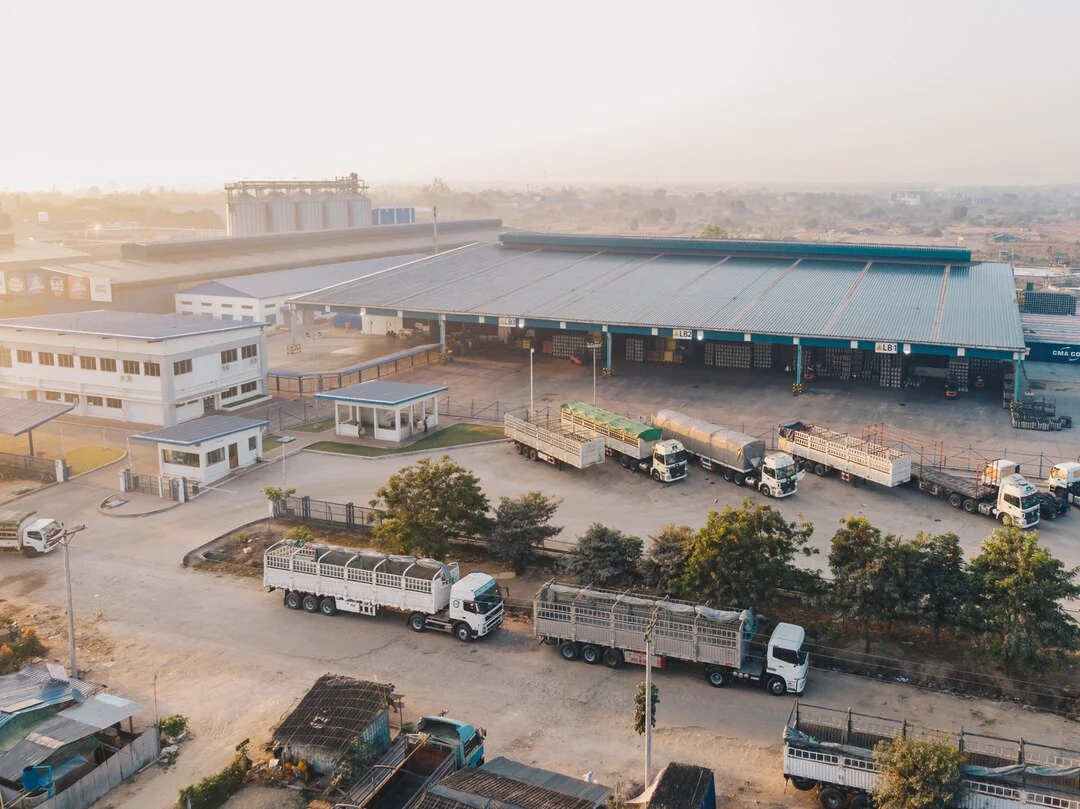
Next-generation industrial parks are extending their role beyond traditional manufacturing.
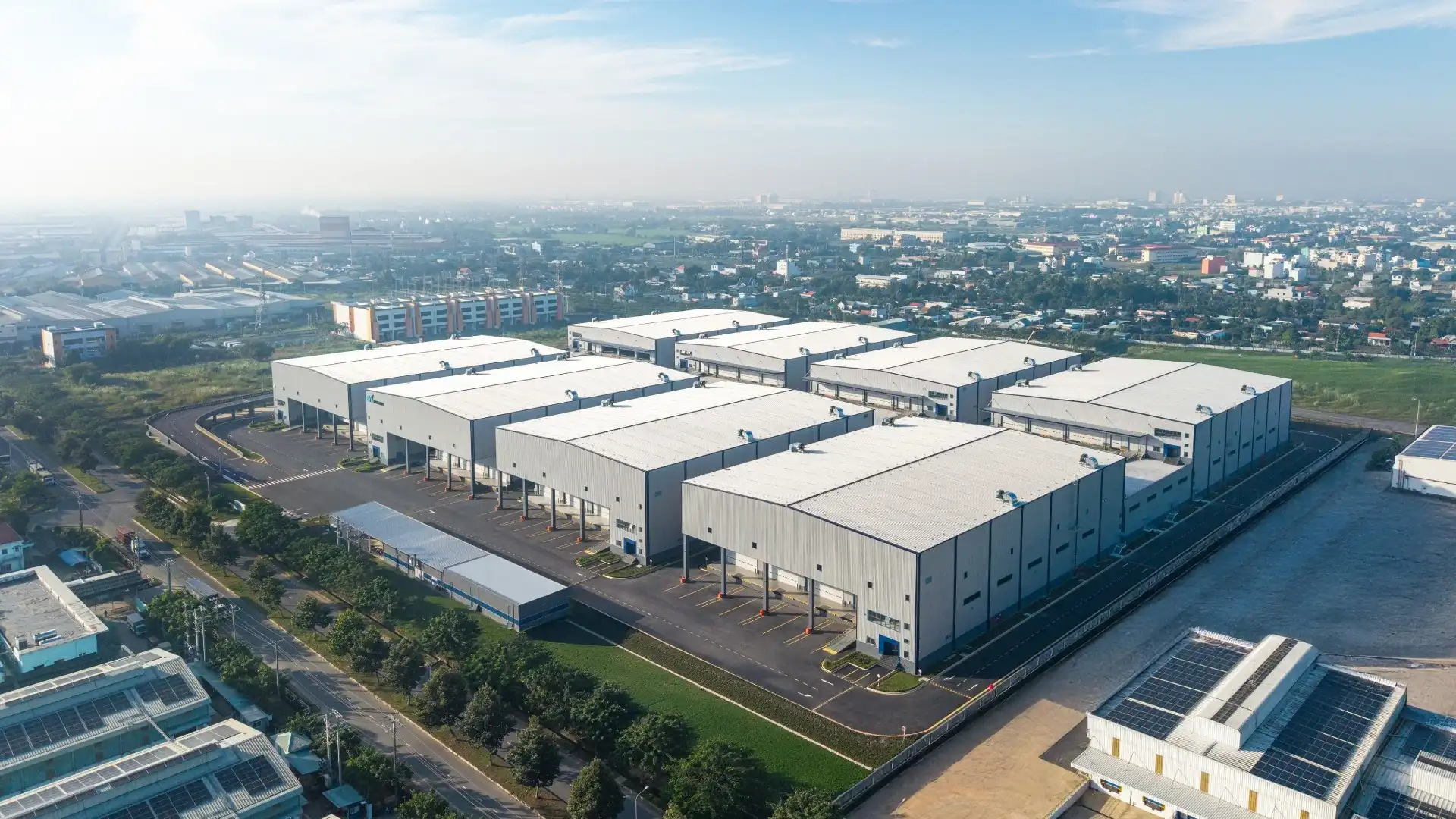
Viet Nam continues to attract foreign direct investment (FDI) into manufacturing while moving deeper into industrial value chains. However, as projects grow in scale and complexity, investors’ site selection criteria are also shifting. Beyond land costs and connectivity, businesses increasingly weigh infrastructure readiness, access to labour and the conditions needed to bring a factory into operation. In response, next-generation industrial parks have emerged as a new model, where industrial park development focuses on operational capability rather than simply supplying land.
According to John Campbell, Director, Head of Industrial Services, Savills Viet Nam, the market is shifting from a land-bank-driven development model to one that prioritises operational capability and a service ecosystem. This will be a key factor shaping the competitiveness of Viet Nam’s industrial real estate in the next phase.
As a result, next-generation industrial parks are no longer defined solely by size or location. The model focuses on helping investors shorten the time to start-up, control unforeseen costs and expand proactively as production needs change.
In H1/2026, Viet Nam recorded USD 34.65 billion in registered FDI, of which manufacturing accounted for approximately USD 18.47 billion. This capital flow demonstrates Viet Nam’s appeal to international investors, but also places higher demands on the infrastructure and project delivery capability of industrial parks.
For businesses planning long-term production, site selection is more than finding suitable land. Access to confirmed power capacity, infrastructure connection timelines, approval lead times and factory readiness can all directly affect investment costs and returns.
Campbell observed: “Investors are no longer simply choosing a plot of land; they are choosing operational certainty.”
Campbell identifies three groups of factors that carry growing weight in site due diligence. The first is delivery timeline and execution certainty, covering power supply, connection timelines and approval milestones. The second is the operational ecosystem, from skilled labour and supplier networks to port and airport connectivity, digital infrastructure, worker services and the support capability of the industrial park developer. The third is readiness for future needs, including expansion capacity, energy strategy and infrastructure able to support more technology- and power-intensive production.
This shift reflects investors’ increasingly comprehensive due diligence. A cost-competitive site that lacks power capacity, cannot guarantee delivery timelines or limits expansion can generate significant additional costs during operation.
“Land gets an industrial park onto the shortlist, but operational certainty is what wins the investment decision,” Campbell emphasised.
As manufacturers place greater emphasis on operational efficiency, the role of the industrial park developer also needs to be viewed more broadly. Rather than focusing mainly on supplying land, developers need to build a platform that supports businesses throughout their operating lifecycle, from factory set-up to operation and expansion.
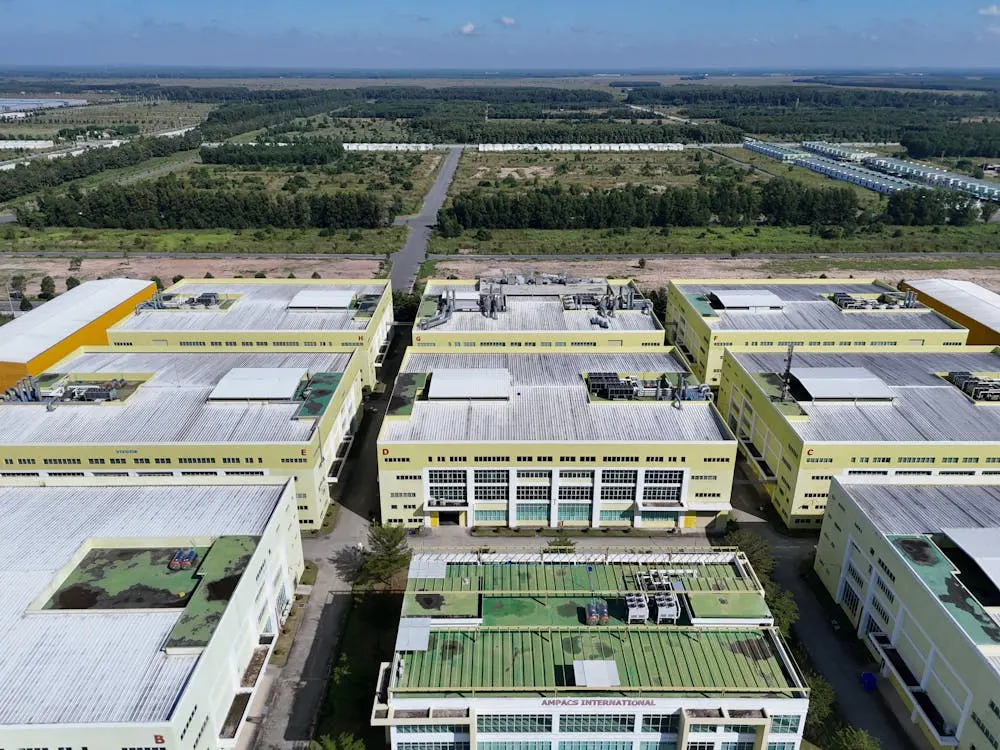
The next-generation model requires a combination of reliable utilities infrastructure, ready-built or customisable factories, efficient logistics connectivity, digital infrastructure, workforce solutions and a management team able to resolve issues quickly. The value of these services lies not in the number of amenities showcased, but in how far they reduce risk, cost and time to market for businesses.
Investment trends in high-tech sectors make these requirements even clearer. In 9M/2026, export processing zones, industrial parks and hi-tech parks in HCMC attracted around USD 5.7 billion in investment, including projects related to data centres, artificial intelligence (AI) infrastructure and high-tech manufacturing.
These projects impose more specialised requirements than traditional manufacturing, particularly for stable power, telecommunications connectivity, specialist labour, security, regulatory compliance and long-term expansion capacity. A next-generation industrial park’s capability is therefore judged not only by the leasable land area, but also by its ability to meet the specific operating requirements of each tenant group.
According to Campbell, “Successful industrial parks will no longer see themselves merely as land lessors, but will operate as industrial platforms.”
This shift also calls for new ways of assessing industrial park performance. Alongside occupancy rate, metrics such as time to start-up, utilities reliability, tenant retention and expansion rates, and response and resolution times for service requests will increasingly reflect real operating quality.
In the long term, the competitive advantage will belong to next-generation industrial parks that help businesses establish operations more smoothly, sustain stable performance and scale up as production needs change.
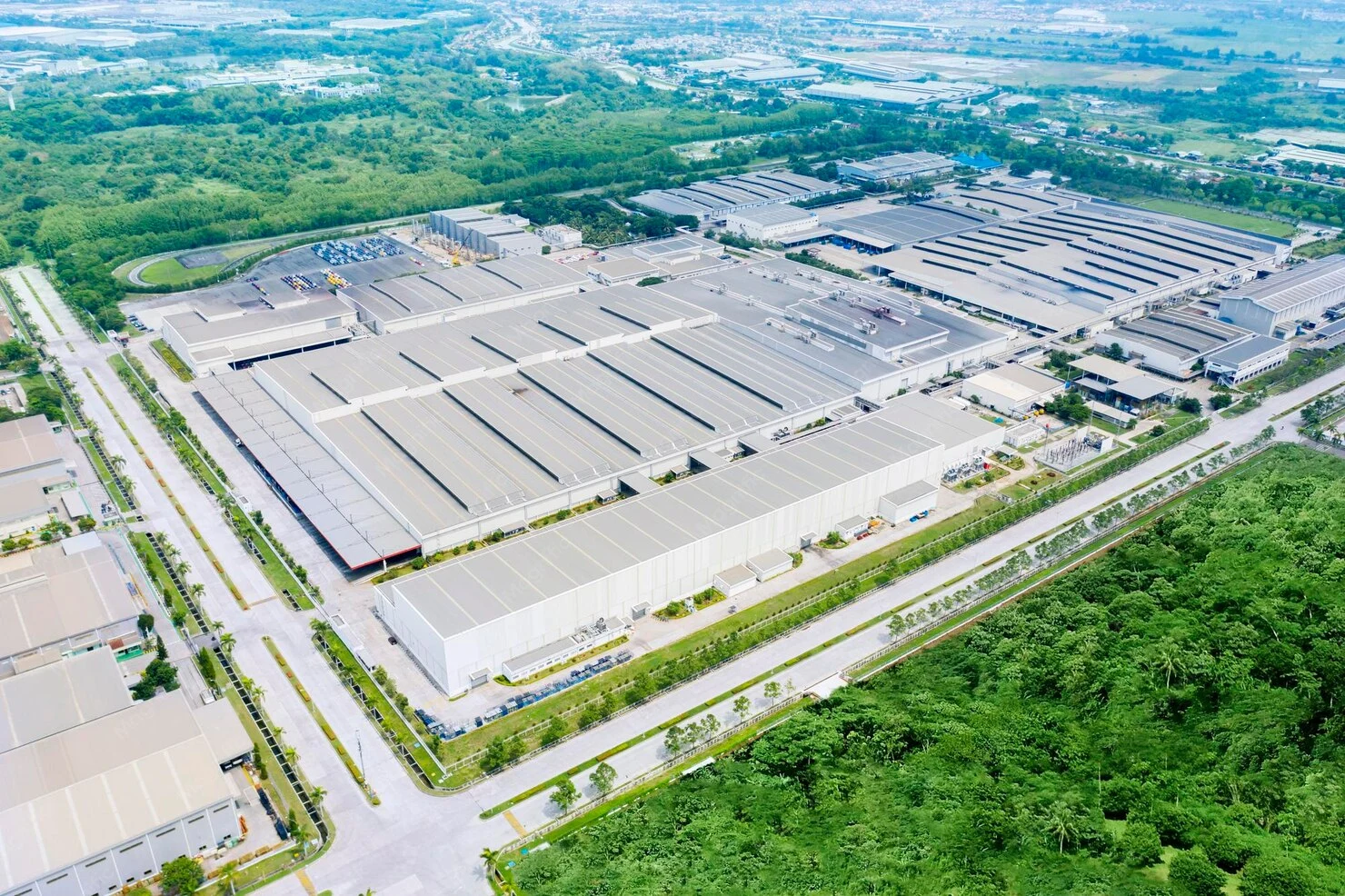
Next-generation industrial parks combine technical infrastructure with environmental standards in operation.
Beyond operational capability, environmental requirements and the energy transition are becoming an important part of international manufacturers’ site selection. Corporate emissions targets, customer requirements, carbon reporting obligations, access to capital and export conditions can all influence investment decisions and factory operations.
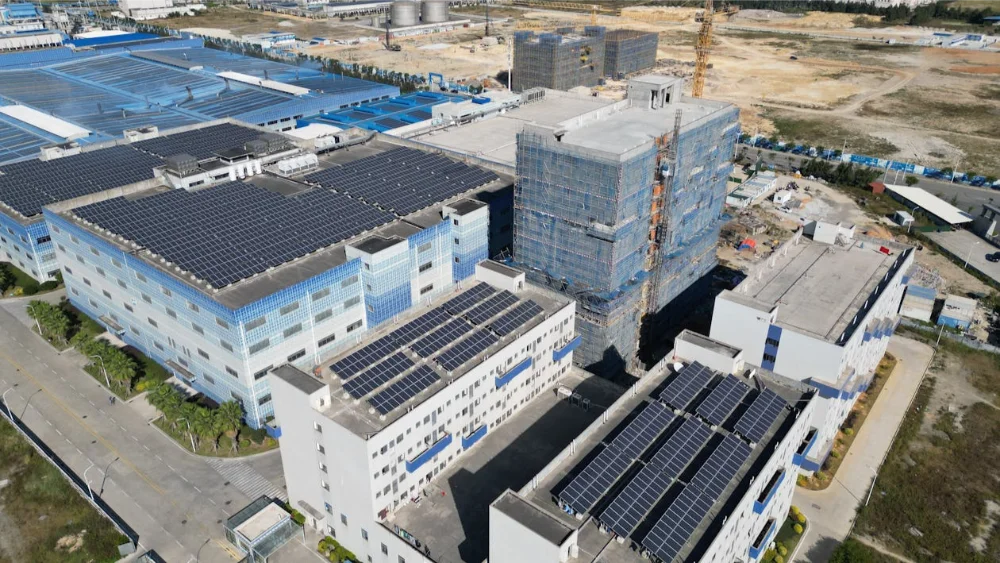
In this context, next-generation industrial park developers need to move from emphasising green commitments to delivering verifiable solutions. These may include energy efficiency programmes, renewable energy options where conditions allow, high-performance factory design, wastewater treatment systems and transparent environmental data to support tenants’ reporting.
However, Campbell notes that sustainability creates commercial value only when it addresses specific business needs. “Sustainable development makes commercial sense when it helps solve a business problem,” he said.
This means environmental solutions should be assessed on actual performance rather than certifications or marketing messages alone. Tenants may prioritise solutions that reduce total operating costs, meet compliance requirements, improve resilience to risk and maintain market access. To demonstrate value, developers need to define baseline performance levels, service standards and measurable outcomes.
At the same time, sustainability cannot replace essential infrastructure. Stable power, reliable utilities and the ability to meet relevant regulations remain the foundation of an effective industrial park. Green solutions deliver value only when integrated into a sufficiently capable infrastructure platform.
In the long term, the competitiveness of Viet Nam’s industrial real estate will depend increasingly on how well it combines infrastructure, operational services and a sustainable development approach. As investors move from seeking cost-appropriate sites to comprehensively assessing their ability to launch and sustain production, well-run next-generation industrial parks will have a basis to differentiate themselves.
Rather than competing mainly on land bank and rents, the market opportunity lies in building industrial platforms that help businesses reduce uncertainty, raise efficiency and adapt to production requirements for years to come.