What Is Industrial Outdoor Storage? Definition, Benefits & Vietnam Market Outlook 2026
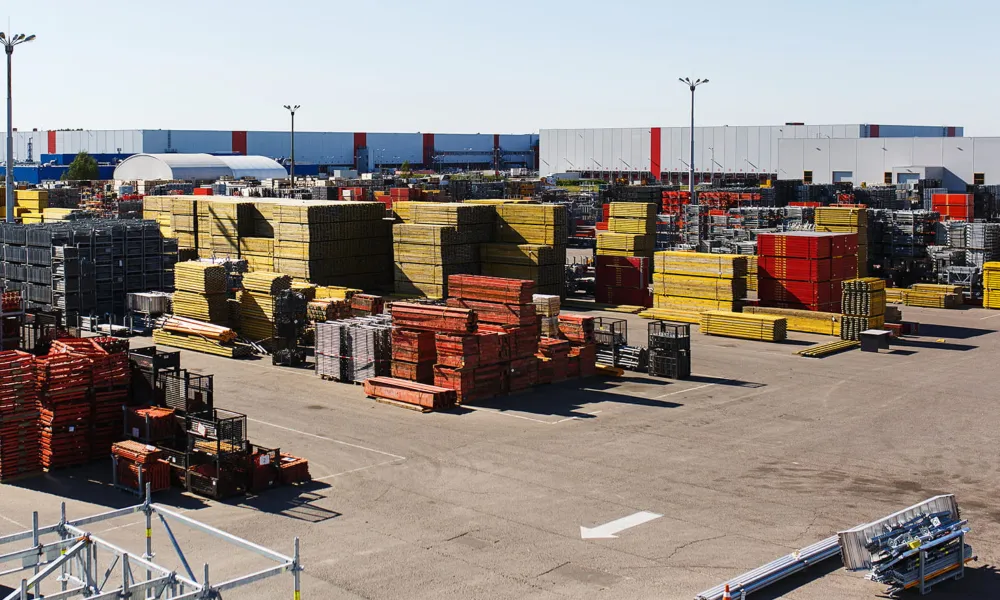
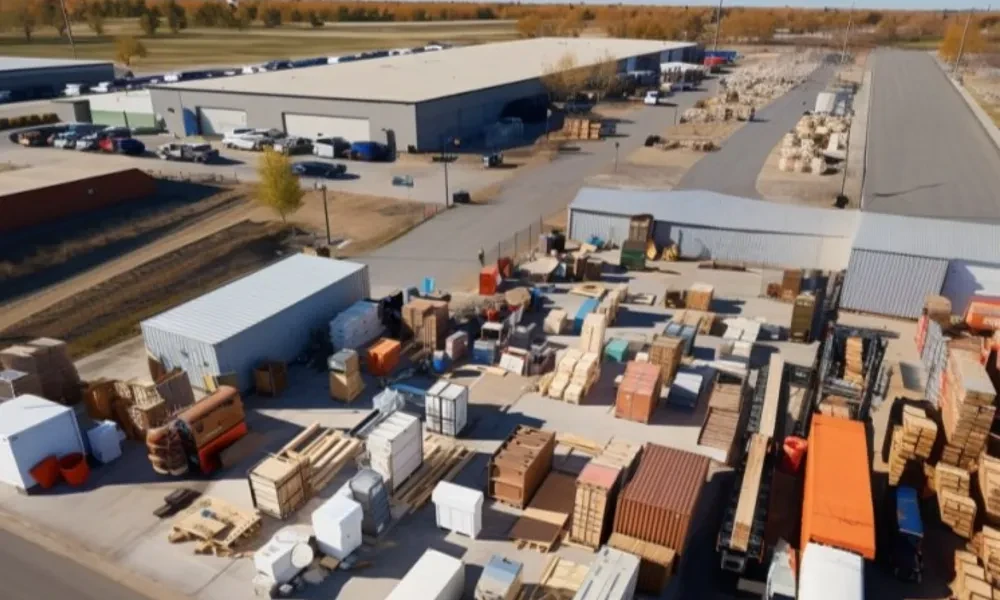
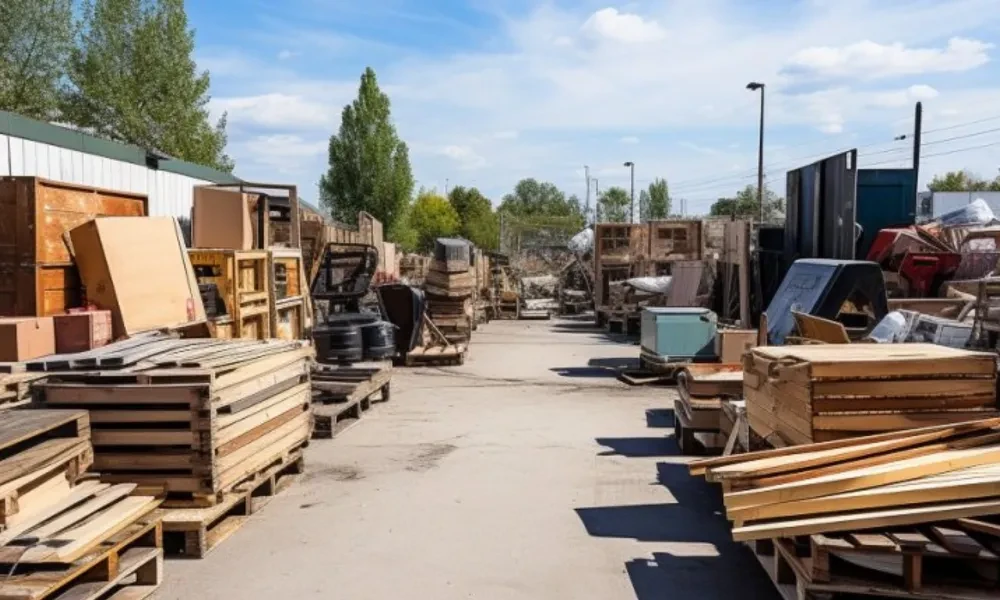
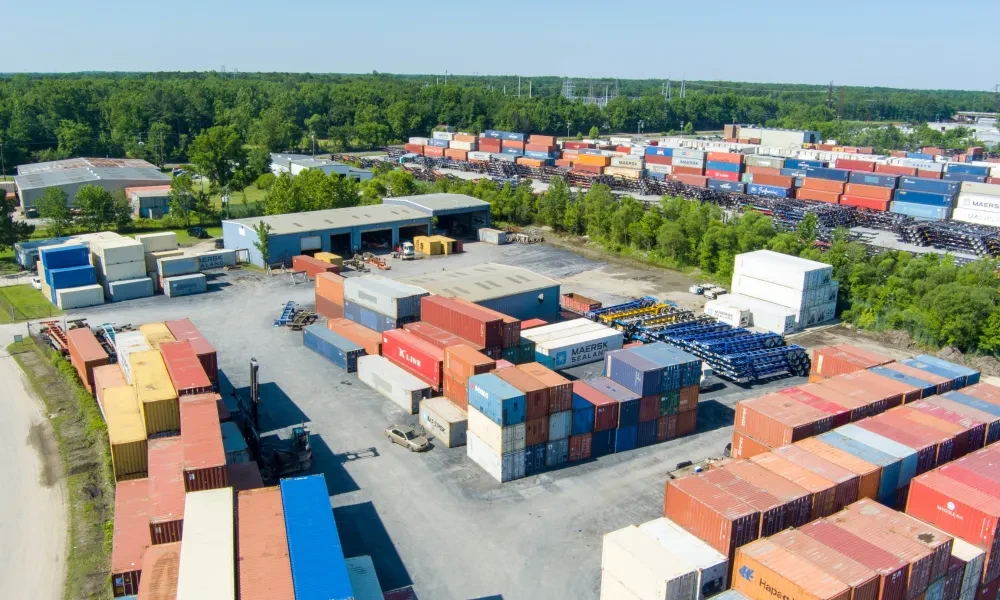
What is industrial outdoor storage? It is designated land used to store vehicles, containers, heavy equipment, and bulk materials long-term, typically enhanced with pavement, fencing, and floodlighting. Industrial Outdoor Storage (IOS), often called drop lots, is rapidly gaining popularity among retail, logistics, and e-commerce companies seeking operational improvements.
“Flexibility and strategic accessibility have become key criteria in site selection.”
— John Campbell, Director of Industrial Services, Savills Vietnam
Source: Savills Japan, “Zooming in on Viet Nam’s Logistics Landscape,” September 2025
What Is Industrial Outdoor Storage (IOS)?
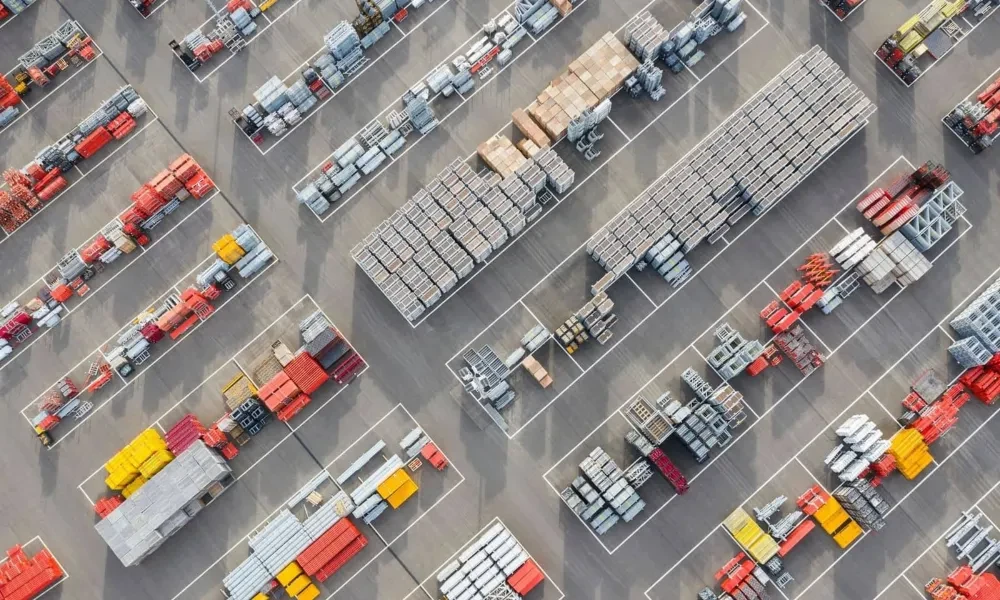
IOS, or Industrial Outdoor Storage, is land designated for industrial use. It’s mostly used to store vehicles, trailers, vans, big equipment, containers, and supplies for the long term (more than 72 hours). The property is usually enhanced by installing pavement, surrounding fencing, and floodlighting.
What Gets Stored in an IOS Lot?
An IOS lot stores oversized assets and bulk items that cannot fit inside traditional warehouses.
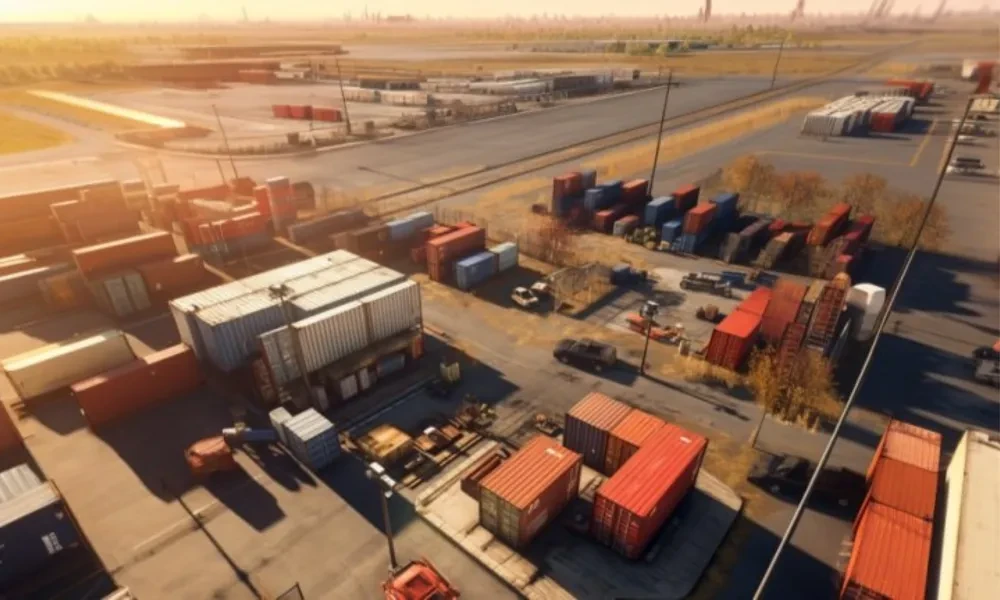
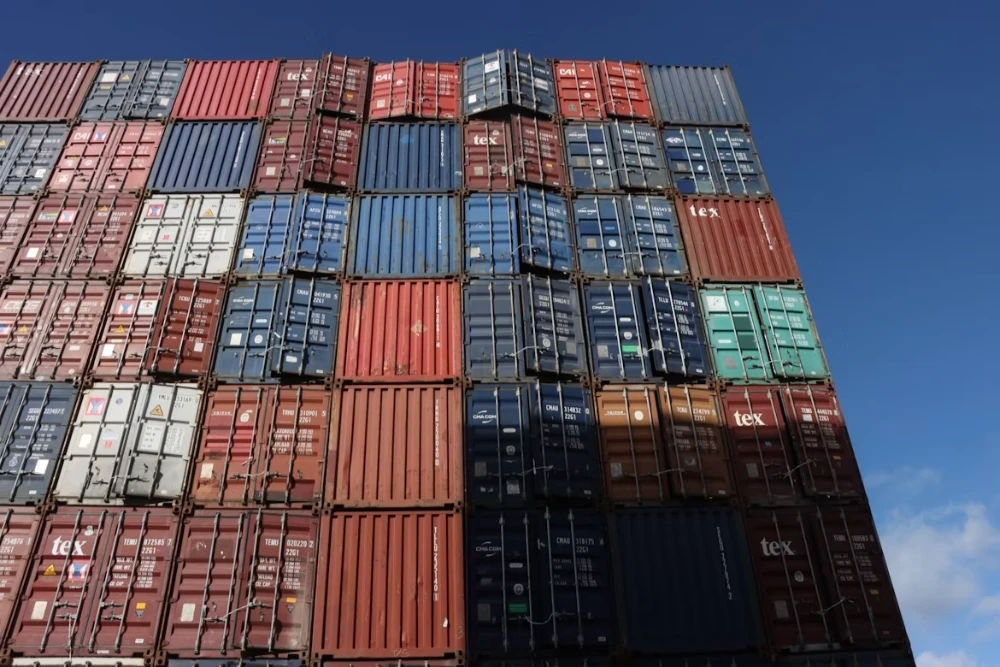
Trailer and container storage: Used as drop-and-hook lots for shippers and long-term storage.
Construction equipment: Heavy machinery like cranes, bulldozers, and dump trucks requiring specialized overhead clearance.
Bulk materials: Lumber, gravel, sand, and precast concrete for mining and construction.
Retail overflow: Containers holding excess inventory during peak holiday seasons.
Energy components: Oversized items like wind turbine blades and pipeline segments.
Fleet parking: Ample space for large vehicles, heavy trucks, and routine maintenance.
Why Is Industrial Outdoor Storage Gaining Momentum?
Industrial outdoor storage is gaining momentum due to a global supply-demand imbalance and surging e-commerce growth. Institutional investors are also recognizing industrial outdoor storage as a high-yield, resilient asset class.
The IOS sector entered 2026 with significant momentum. According to Clarion, the asset class reached approximately $218 billion, reflecting 9% year-over-year growth, with transaction volumes hitting $14-16 billion in 2025.
In Vietnam, the Ministry of Construction Q1 2026 report shows industrial land rents at $90-$250/sqm/lease term in the North (80%+ occupancy), $185-$280+/sqm/lease term in the South (90%+ occupancy), and $70-$120/sqm/lease term in the Central region (VnEconomy, 2026).”
Global Drivers
The growing appeal of IOS stems from compelling supply and demand dynamics that favor investors. Limited supply creates natural scarcity, while increasing demand from logistics companies drives rental growth and property values higher.
Zoning restrictions present the primary supply constraint, as many municipalities resist approving IOS projects due to concerns about truck traffic, lower tax revenue, and community opposition.
From a demand perspective, the growth of e-commerce and onshoring of manufacturing continues driving the need for logistics infrastructure.
IOS facilities serve as crucial last-mile distribution points and staging areas that support broader economic trends.
Institutional investors have recognized IOS as a scalable opportunity to gain exposure to industrial real estate fundamentals while achieving higher yields than traditional warehouse properties.
Major investment groups now target IOS portfolios to achieve diversification and scale, typically paying an estimated 100 to 150 basis points over standard industrial cap rates.
Vietnam-Specific Drivers
In 2026, Vietnam’s e-commerce landscape is undergoing an intense phase of consolidation, with a remarkable 97% combined market share of total Gross Merchandise Value (GMV) among major platforms. The market reached $11 billion (VND 291.6 trillion) in total revenue across the top four platforms during the first half of 2026 alone, marking a staggering 44.1% year-on-year increase.
As this market transitions into maturity, the pressure on warehousing and logistics networks is unprecedented. The competitive landscape is currently defined by these major players:
Shopee (58% share): Leading the pack through operational efficiency, a robust supply chain network, and dominant brand loyalty that requires immense, highly reliable backend storage.
TikTok (39% share): Capturing massive market share through “shoppertainment,” a massive livestream ecosystem, and native KOL/KOC networks that trigger sudden, high-volume spikes in inventory movement.
Lazada & Tiki (3% combined): Pivoting to survive, Lazada is moving away from broad burn-rate subsidies toward targeted, price-sensitive value segments, while Tiki focuses on domestic niche B2B services, authentic high-value tech, or local supply chains.
This fierce competition means platforms and sellers are no longer just competing on price, they are competing on operational speed and supply chain resilience. When a viral livestream sells out thousands of items in minutes, businesses need immediate access to staging areas, trailer storage, and overflow inventory space.
What Are the Benefits of Industrial Outdoor Storage?
Outdoor industrial storage offers many advantages for businesses in commercial real estate markets, increasing the demand for investors to develop or buy these facilities.
Low Cost: IOS industrial outdoor storage can replace the building of additional inside warehouse space. It is frequently less expensive to lease outdoor storage spaces, lowering overhead costs. Unlike indoor storage options, which often call for climate control and elaborate infrastructure, IOS mainly depends on the environment, reducing maintenance and utility expenses.
Flexible and Scalable: Industrial outside storage is highly adaptable and suits various businesses. Companies don’t need to invest much but can size up or down the space to meet their requirements. The option’s seasonal flexibility is useful for industries like retail and agriculture, allowing them to store excess goods during peak seasons and reduce space during slower ones.
Enhanced Efficiency: IOS industrial storage near manufacturing, distribution, or logistics centers can improve operational efficiency since loading and unloading commodities takes less time and effort. Its easy access to stored goods, machinery, or equipment leads to speedy retrieval and reduced downtime, improving workflow and productivity.
Secure Storage: Security measures such as access control systems, surveillance cameras, and fencing can protect inventory and precious assets from theft and damage in industrial outdoor storage spaces. Modern outdoor storage solutions often incorporate weather-resistant options to safeguard assets from natural-element-caused damage.
What Are the Risks and Challenges of Industrial Outdoor Storage?
Investing in industrial outdoor storage real estate can yield financial gains, but it’s crucial to understand potential risks and challenges.
Security Concerns: Outdoor storage facilities pose a risk of unauthorized access, theft, and vandalism. Investing in effective security measures such as surveillance cameras, perimeter fencing, well-lit areas, and frequent auditing and patrolling can help reduce this problem.
Environmental Factors: Rain, sun, wind, and other environmental elements can negatively affect the stored assets. Applying weather-resistant solutions, covering sensitive items, and regular maintenance to spot possible problems early will mitigate the damage.
Infrastructure and Maintenance: Degradation and security problems are potential risks of IOS real estate. However, a proactive maintenance plan with a budget for ongoing upkeep, frequent inspections, repairs, and surface care can solve this.
Liability Issues: Liability claims and legal problems may arise from accidents or injuries on the property. Thus, mitigation measures, including installing safety procedures, comprehensive insurance, and signage, should be ensured.
4 Key Considerations When Purchasing Industrial Outdoor Storage Facilities
Investing in “what is industrial outdoor storage” requires strategic evaluation of location, legal compliance, and physical infrastructure. We always advise our clients to weigh these four critical factors before committing to a purchase.
Site Location
When selecting industrial outdoor storage in Vietnam, strategic location considerations are essential for maximizing operational efficiency and investment returns. The right location can significantly impact logistics costs, accessibility, and long-term value appreciation of the property.
Proximity to major shipping hubs: Ensure the facility is near deep-water ports like Haiphong in the North or Cai Mep-Thi Vai in the South.
Industrial cluster integration: Position your facility close to active Industrial Zones (IZs) to capture spillover demand from manufacturing tenants.
Regional economic focus: Choose Northern Vietnam for proximity to China supply chains, or Southern Vietnam for established consumer and export markets.
Land availability constraints: Balance the cost of prime land against the necessity of being near key economic zones.
Zoning Laws
Understanding Vietnam’s specific regulatory landscape for industrial outdoor storage is critical to ensuring legal compliance and avoiding costly complications. The legal framework in Vietnam has unique characteristics that differ significantly from Western real estate markets.
Approved land-use functionality: Verify that the land is specifically zoned for industrial use, warehousing, or logistics operations.
Environmental compliance permits: Check local regulations regarding open-air storage, runoff management, and dust control for bulk materials.
Leasehold tenure verification: Confirm the remaining duration of the land-use rights, typically capped at 50 to 70 years in Vietnam.
Legal title clarity: Ensure the seller possesses a valid Land Use Rights Certificate (LURC), commonly known as the “Red Book”.
Ease of Access
Vietnam’s unique transportation infrastructure and traffic patterns require special attention when evaluating access to industrial outdoor storage facilities. The country’s developing road network and urban congestion issues make accessibility a critical factor for operational success.
Highway network connectivity: Select sites with direct access to major national highways, such as the National Route 1A or key expressways
Last-mile delivery routes: Analyze local traffic restrictions, as many Vietnamese cities restrict heavy trucks during peak daytime hours
Congestion risk mitigation: Avoid areas prone to severe seasonal flooding or heavy commuter traffic that can delay supply chains
Multi-modal transport options: Evaluate proximity to rail networks or inland waterways to diversify your transit methods
Property Infrastructure
Vietnam’s tropical climate and specific infrastructure standards necessitate careful evaluation of physical property characteristics. The country’s monsoon seasons and high temperatures require specialized infrastructure considerations for successful industrial outdoor storage operations.
Ground load-bearing capacity: Ensure the yard is paved with heavy-duty reinforced concrete or high-quality asphalt to support heavy containers
Secured perimeter fencing: Verify the presence of robust boundary walls, gates, and 24/7 CCTV monitoring systems for cargo security
Advanced drainage systems: Inspect the slope and drainage infrastructure to prevent water logging during Vietnam’s intense monsoon season
Utility supply stability: Confirm high-capacity electrical hookups for refrigerated containers (reefers) and high-volume lighting systems
Vietnam Industrial Outdoor Storage Market Outlook 2026
Vietnam’s IOS market in 2026 is defined by strong regional concentration and shifting tenant priorities toward ESG compliance. We are observing clear market differentiation as developers pivot from rapid expansion to quality-driven operations.
Where IOS Demand Is Concentrated
IOS demand is heavily concentrated in Southern and Northern Vietnam, driven by distinct economic activities.
Southern Vietnam (HCMC, Dong Nai, Tay Ninh) leads as a logistics and consumption hub, driven by e-commerce, FMCG, cold storage, and export logistics.
Meanwhile, Northern Vietnam (Hai Phong, Bac Ninh, Hung Yen) remains a major export manufacturing corridor. Northern demand is fueled by electronics exports, high-tech manufacturing, and integration with China-linked supply chains via Lach Huyen port.
What Operators Are Asking For
Operators are now demanding infrastructure standardization and strict ESG compliance rather than just land scale.
Entering 2026, industrial land leasing decisions are increasingly cautious due to geopolitical uncertainties. While southern net absorption declined 39% YoY in Q3 2025, over 1,000 hectares of new supply is expected in 2026.
Consequently, ESG standards have become a core benchmark. Investors now require green infrastructure, stable energy, and wastewater treatment to maintain participation in global supply chains.
Pricing Indicators (2026)
Pricing indicators for Q1/2026 show high occupancy and varying regional rental rates.
Southern Vietnam: Ready-built factory rents averaged $4.4-5.0/m²/month with 89-92% occupancy in H2 2025
Northern Vietnam: Ready-built warehouse rents averaged $4.9-5.1/m²/month with 86-88% occupancy. Hai Phong outperformed due to seaport advantages.
FAQs
When exploring “what is industrial outdoor storage” in Vietnam, several common questions arise among investors.
Q: What is the minimum lot size for industrial outdoor storage in Vietnam?
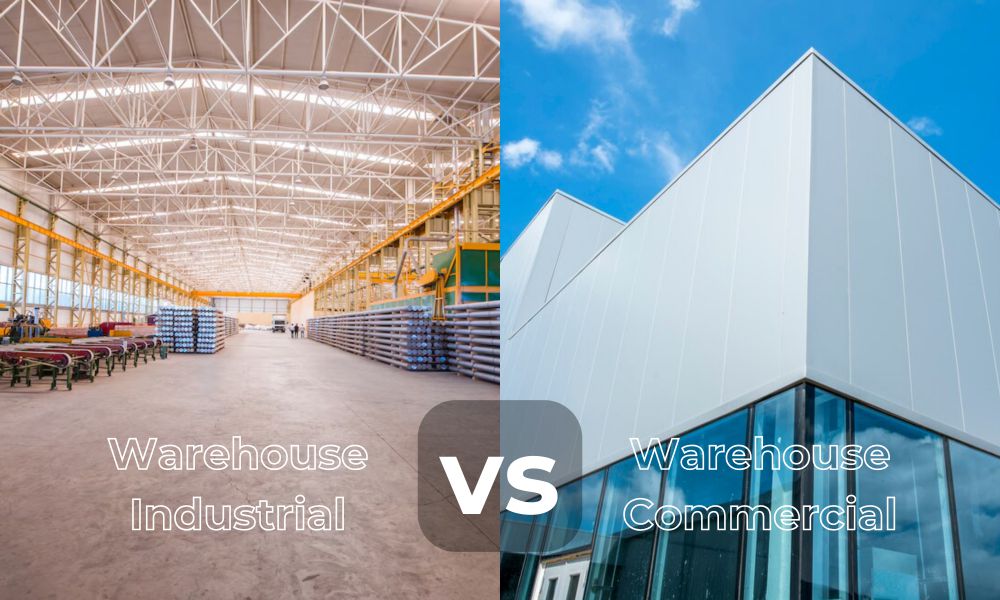
A: Vietnam’s QCVN 01:2021/BXD does not mandate a strict minimum lot size; this is determined by individual industrial zone master plans. National rules simply cap construction density at 70% and require a 20% green space ratio.
Q: Is industrial outdoor storage regulated differently from indoor warehousing under Vietnam law?
A: Yes. Indoor warehousing is explicitly regulated as a structural asset with strict fire suppression and building density codes. Conversely, “what is industrial outdoor storage” legally lacks a standalone definition under the Land Law 2024. It is treated as open land utilization, relying on environmental impact assessments and open-air spacing rules rather than enclosed structural fireproofing.
Q: Can foreign investors own industrial outdoor storage land in Vietnam?
A: No, all land is state-owned. However, foreign-invested enterprises can acquire Land Use Rights through long-term leaseholds (up to 50-70 years) that can be renewed.
Q: How long does it take to develop a new industrial outdoor storage lot in Vietnam?
A: Leasing paved land inside an existing industrial park takes 3 to 6 months. Developing a greenfield site from scratch with state land allocation and environmental clearances takes 9 to 18 months or longer.